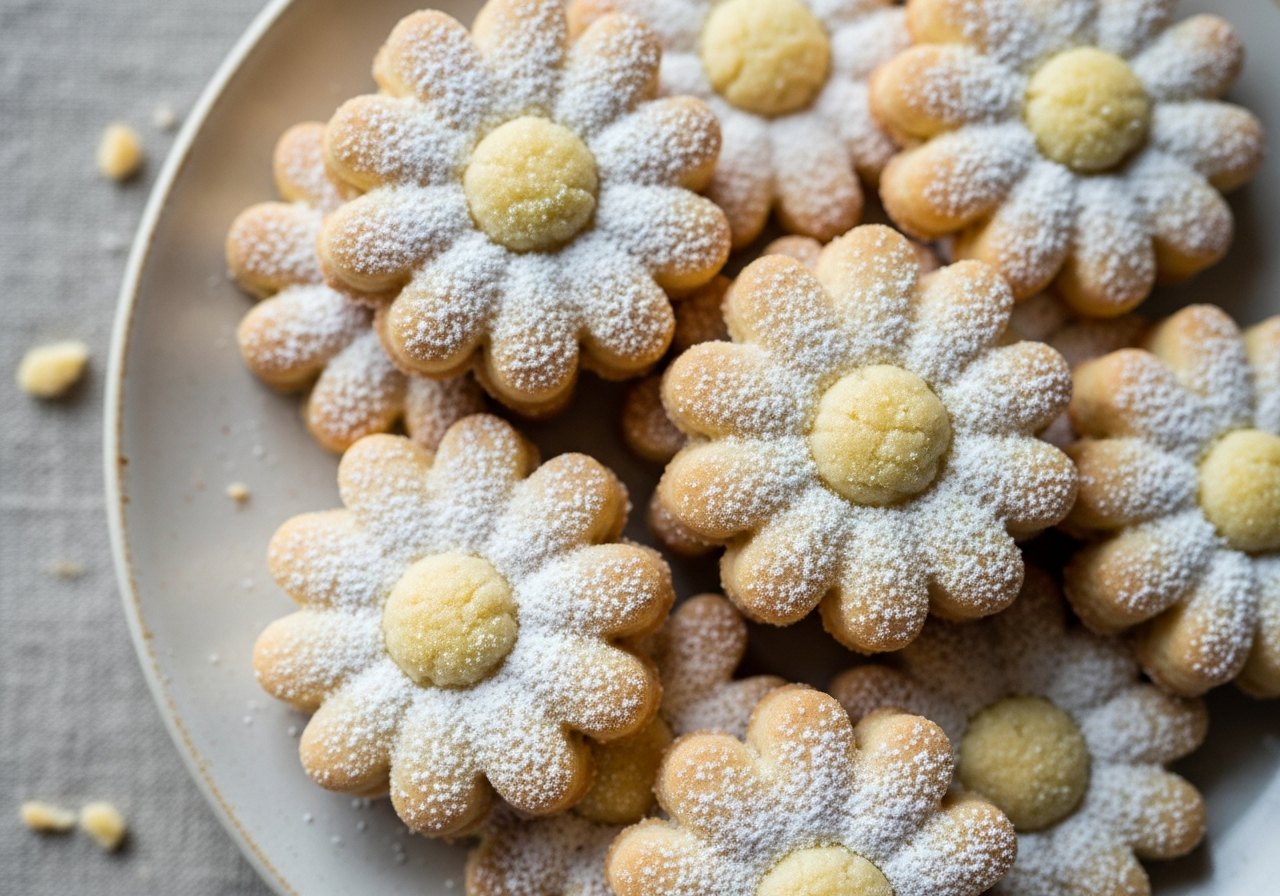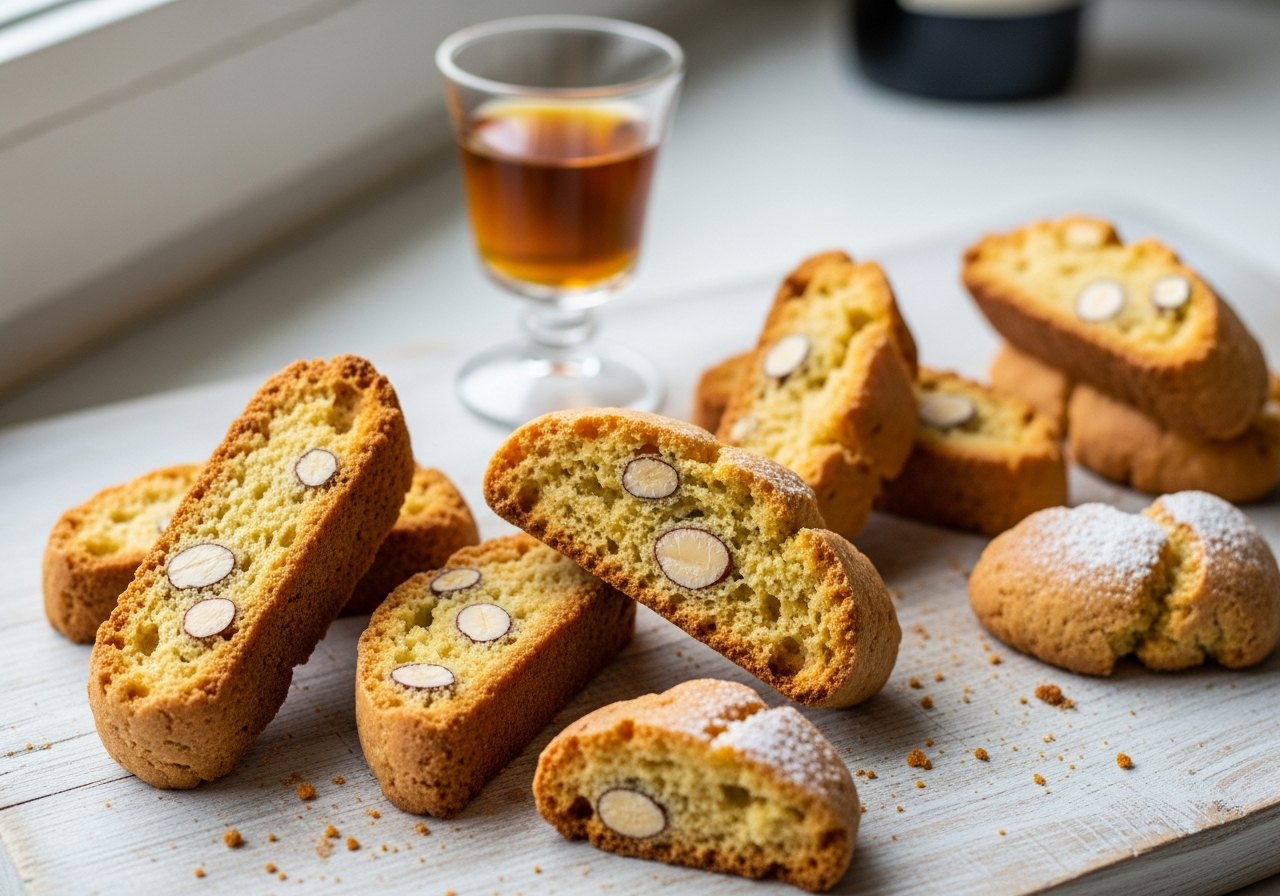
From the rolling hills of Tuscany to the bustling streets of Rome, Brutti ma Buoni – literally 'ugly but good' – are a testament to Italy's ability to turn simple ingredients into something truly extraordinary. These rustic, irregular almond meringues have graced Italian pastry shops and home kitchens for centuries, beloved for their charmingly unrefined appearance and irresistibly delicate texture. They embody the philosophy that true deliciousness doesn't always need to be perfectly symmetrical or elaborately decorated.
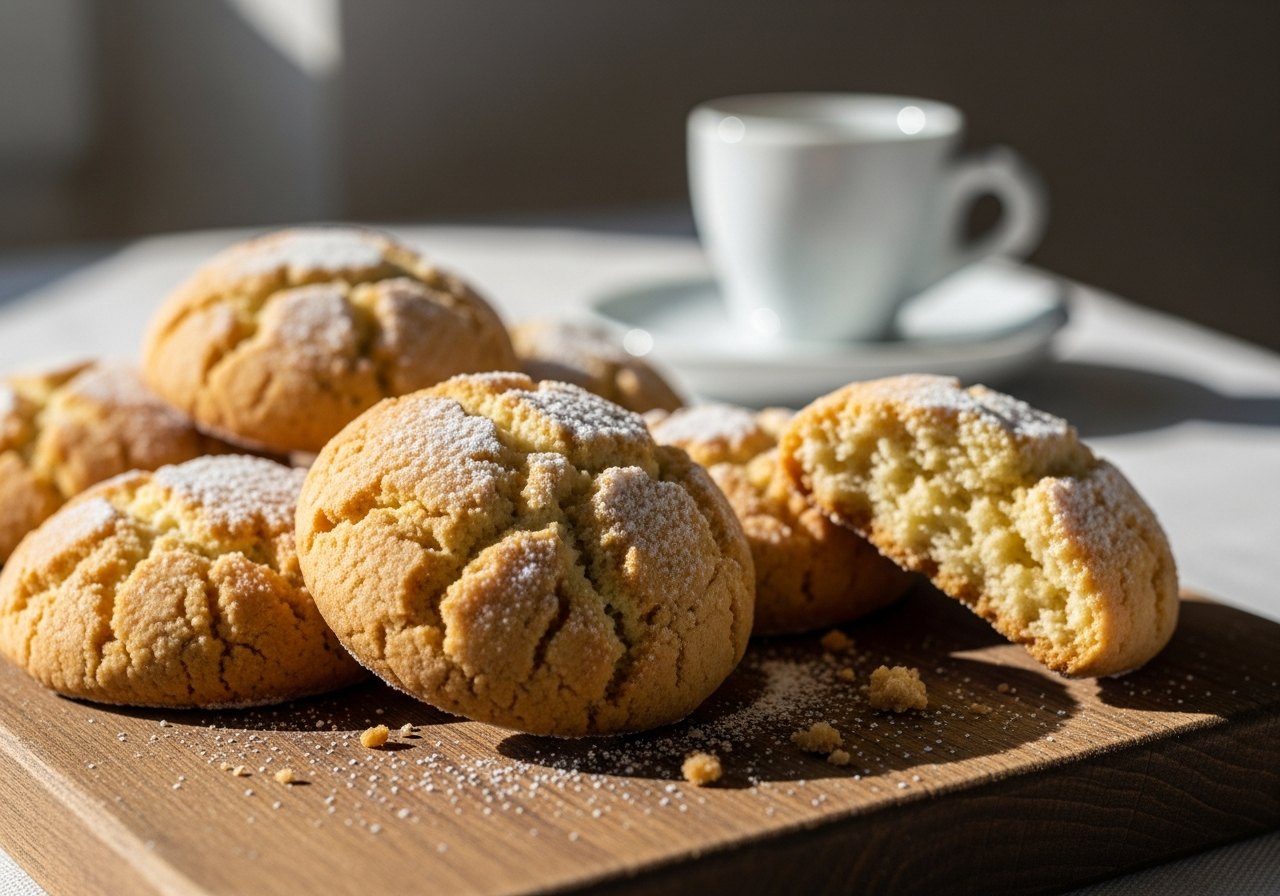
What makes Brutti ma Buoni so special is the captivating contrast of textures: a crisp exterior giving way to a light, airy, and slightly chewy interior, all infused with the rich aroma of toasted almonds and vanilla. They are the quintessential companion to a strong espresso or a sweet dessert wine, offering a moment of pure, unpretentious joy. My nonna always said the most beautiful things in life are often a little imperfect, and these biscuits are certainly proof of that wisdom.
The Art of the Meringue
The secret to a perfect Brutti ma Buoni lies in mastering the meringue. Achieving stiff, glossy peaks is paramount, as this structure holds the air that gives the biscuits their characteristic lightness. Ensure your mixing bowl and whisk are impeccably clean and free of any grease, as even a tiny speck of fat can prevent the egg whites from foaming properly.
Gradually adding the sugar is another critical step, allowing it to fully dissolve into the egg whites. This creates a stable meringue that won't weep or collapse during baking. Whisk until the meringue is so firm you could hold the bowl upside down without it falling out – a trick that always impresses (and reassures!).
Toasting for Flavour
While the name suggests a lack of aesthetic concern, the flavour of Brutti ma Buoni is anything but an afterthought. The almonds are the star here, and toasting them before incorporating them into the meringue is a non-negotiable step. This simple process deepens their nutty flavour and adds an extra layer of complexity to the biscuits.
Take care not to over-toast the almonds; you're looking for a light golden hue and a fragrant aroma, not a dark roast. Once toasted, allow them to cool completely before folding them into the delicate meringue. Warm nuts can deflate the egg whites, compromising the airy texture you've worked so hard to achieve.
Nonna's tip
Achieving that signature crisp-chewy texture relies heavily on a slow, low bake. Resist the urge to open the oven door too often, allowing the meringues to gently dry out rather than bake rapidly.