Sponge & Layer Cakes

Colomba di Pasqua (Easter Dove Cake)

Celebrate Easter with Colomba di Pasqua, a light, airy, and beautifully symbolic Italian sweet bread.

Colomba di Pasqua (Easter Dove Cake)
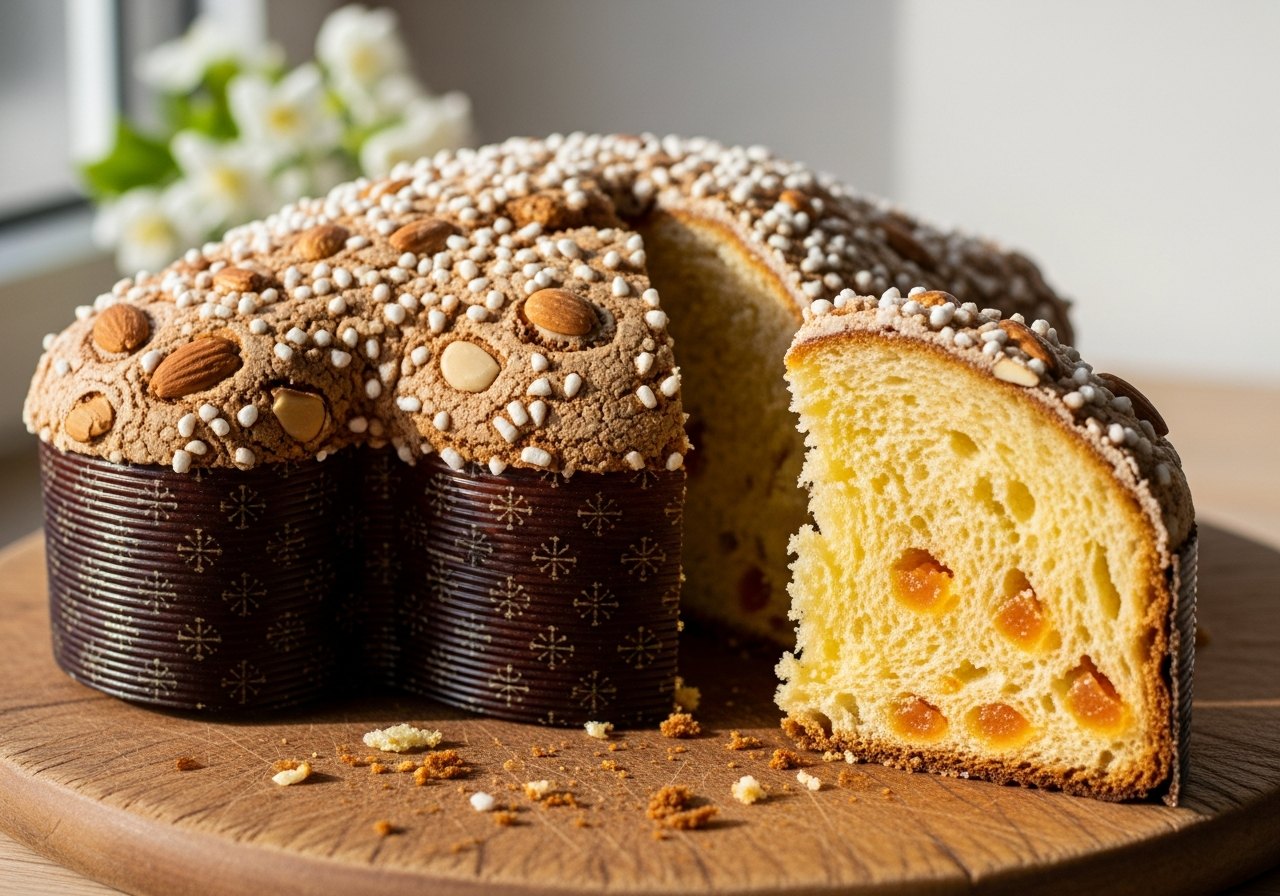
Colomba di Pasqua (Easter Dove Cake) — made and photographed at home.

Ah, Pasqua! Easter in Italy is a time of joy, family, and, of course, magnificent food. And at the heart of our sweet celebrations stands the Colomba di Pasqua, the 'Easter Dove'. This beloved cake, with its distinctive dove shape, symbolises peace and renewal, making it not just a treat for the palate, but a beautiful emblem for the season. My Nonna would always say, 'A table without Colomba is like Easter without sunshine!'

Crafting a Colomba is a labour of love, a true test of a baker's patience and skill, but the reward is utterly worth it. Imagine a cloud-like brioche dough, enriched with butter and eggs, studded with fragrant candied orange peel, and crowned with a delicate, crunchy almond glaze. Each bite is a journey through centuries of Italian baking tradition, a perfect balance of rich flavour and ethereal texture that brings the warmth of Italian spring right to your table.

The Secrets of an Enriched Dough

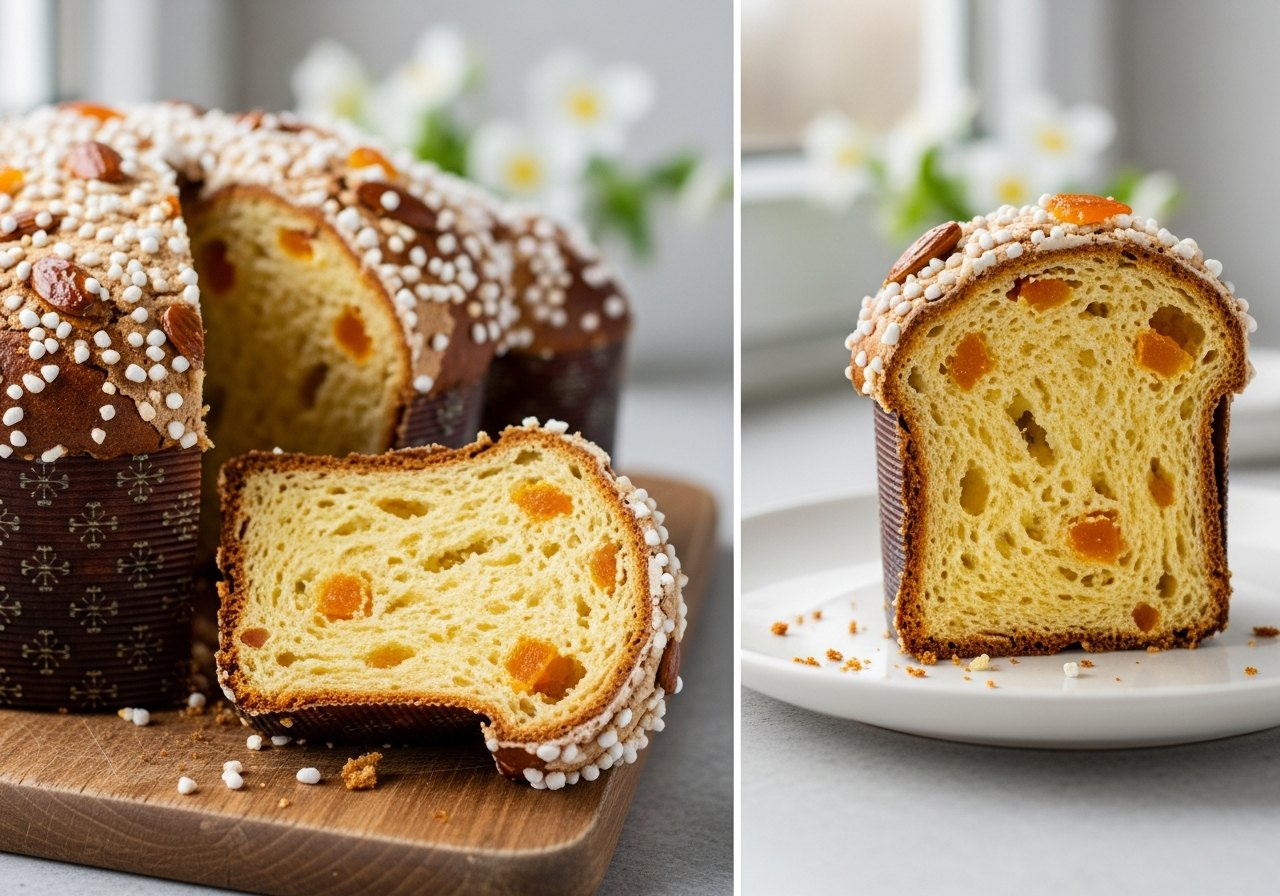
The foundation of a truly exceptional Colomba di Pasqua lies in its enriched dough. Unlike a simple bread dough, this one is generously fortified with butter, eggs, and sugar, which contribute to its characteristic softness, richness, and golden hue. The process often involves multiple stages of mixing and proofing, allowing the yeast to slowly develop complex flavours and the gluten to relax, resulting in that coveted 'pull-apart' texture.

Patience is your best friend when working with such a dough. Each proofing stage is crucial for building aeration and flavour. Resist the urge to rush it; a slow, steady rise in a warm, draft-free environment is key to achieving the feather-light crumb that makes Colomba so irresistible. This dedication to the dough is what transforms simple ingredients into a festive masterpiece.
The Secrets of an Enriched Dough

Crafting the Iconic Almond Glaze

What truly sets Colomba apart visually and texturally is its distinctive almond glaze. This isn't just any topping; it's a carefully prepared mixture of ground almonds, sugar, and egg whites, sometimes with a touch of flour, that bakes into a delicate, crackly crust. It provides a delightful contrast to the soft interior and locks in moisture, ensuring the cake remains fresh and tender.

Before baking, the glaze is spread over the risen dough and then generously sprinkled with pearl sugar and whole blanched almonds. As it bakes, the glaze caramelises, creating a beautiful golden-brown finish and a sweet, nutty aroma that fills the kitchen. This crunchy crown is not only delicious but also adds to the cake's rustic charm, making each Colomba unique.

Nonna's tip

Achieving the perfect rise for your Colomba requires a warm, consistent environment. If your kitchen is cool, try proofing the dough in a slightly warmed (turned off) oven with a bowl of hot water inside to create a steamy, cosy haven for your dough.
Recipe Card

Colomba di Pasqua (Easter Dove Cake)

A traditional Italian sweet bread, shaped like a dove, rich with butter and candied fruit, topped with a crunchy almond glaze and pearl sugar, perfect for Easter celebrations.

Prep
45 min
Cook
50 min
Chill
0 min
Total
24 hr (includes proofing)
Serves
10-12
Level
Advanced
Ingredients
  • 500 g (4 cups) strong white bread flour, plus extra for dusting
  • 150 g (¾ cup) caster sugar
  • 10 g (1 tbsp) active dry yeast
  • 150 ml (⅔ cup) lukewarm milk
  • 3 large eggs, at room temperature
  • 150 g (⅔ cup) unsalted butter, softened, cut into cubes
  • 8 g (1 ½ tsp) fine sea salt
  • 1 tsp vanilla extract
  • 150 g (1 cup) candied orange peel, diced
  • For the Glaze:
  • 1 large egg white
  • 50 g (½ cup) ground almonds (almond flour)
  • 50 g (¼ cup) caster sugar
  • 1 tbsp plain flour
  • Toppings:
  • 2 tbsp pearl sugar
  • 20 g (¼ cup) whole blanched almonds
Method
  1. In a large bowl, combine 100g of the strong flour, 50g of the sugar, and the active dry yeast. Gradually whisk in the lukewarm milk until smooth, then cover and let sit in a warm place for 30 minutes until frothy.

  2. Add the remaining 400g flour, 100g sugar, 3 eggs, salt, and vanilla extract to the yeast mixture. Mix with a stand mixer fitted with a dough hook on low speed until a shaggy dough forms.

  3. Gradually add the softened butter, one cube at a time, allowing each piece to incorporate before adding the next. Increase speed to medium-low and knead for 15-20 minutes until the dough is smooth, elastic, and pulls away from the sides of the bowl.

  4. Gently fold in the diced candied orange peel. Transfer the dough to a lightly oiled bowl, cover with cling film, and let it proof in a warm place for 4-6 hours, or until at least doubled in size.

  5. Gently punch down the dough, divide it into two portions, and carefully shape them into the wings and body of a dove, placing them into a greased and floured Colomba paper mould. Cover loosely and proof for another 2-3 hours, or until almost doubled again and very puffy.

  6. Preheat your oven to 180°C (160°C fan/350°F). For the glaze, whisk the egg white until frothy, then fold in the ground almonds, caster sugar, and plain flour until well combined.

  7. Carefully spread the glaze evenly over the top of the risen Colomba dough. Sprinkle generously with pearl sugar and whole blanched almonds.

  8. Bake for 45-55 minutes, or until golden brown and a skewer inserted into the centre comes out clean. If the top browns too quickly, loosely tent it with foil.

  9. Allow the Colomba to cool completely in its mould on a wire rack before slicing and serving.

Nutrition (per serving)
410
Calories
22 g
Fat
45 g
Carbs
9 g
Protein
28 g
Sugar
Notes
  • Store Colomba di Pasqua at room temperature, wrapped tightly in cling film or in an airtight container, for up to 5 days to maintain its freshness.
  • Serve slices plain with coffee or tea, or for an extra treat, alongside a dollop of mascarpone cream or fresh berries.
Good to know

Frequently asked

My dough isn't rising; what went wrong?

The most common reasons are inactive yeast, liquid that was too hot (killing the yeast), or a proofing environment that was too cold. Ensure your yeast is fresh and your milk is just lukewarm.

Can I substitute other candied fruits for the orange peel?

While traditional Colomba uses candied orange peel for its signature flavour, you can experiment with mixed candied fruits or even chocolate chips, though the flavour profile will be different from the authentic recipe.

How do I ensure my Colomba gets the perfect dove shape?

Using a dedicated paper Colomba mould is essential for achieving the iconic shape. Gently shape the dough sections to fit the mould, ensuring the 'wings' are distinct, and allow it to proof fully within the mould before baking.