Cheesecakes & Tarts

Fiadone (Abruzzese Ricotta Tart)

Savour a taste of Abruzzo with this traditional, cheesy ricotta tart, perfect for any occasion.

Fiadone (Abruzzese Ricotta Tart)
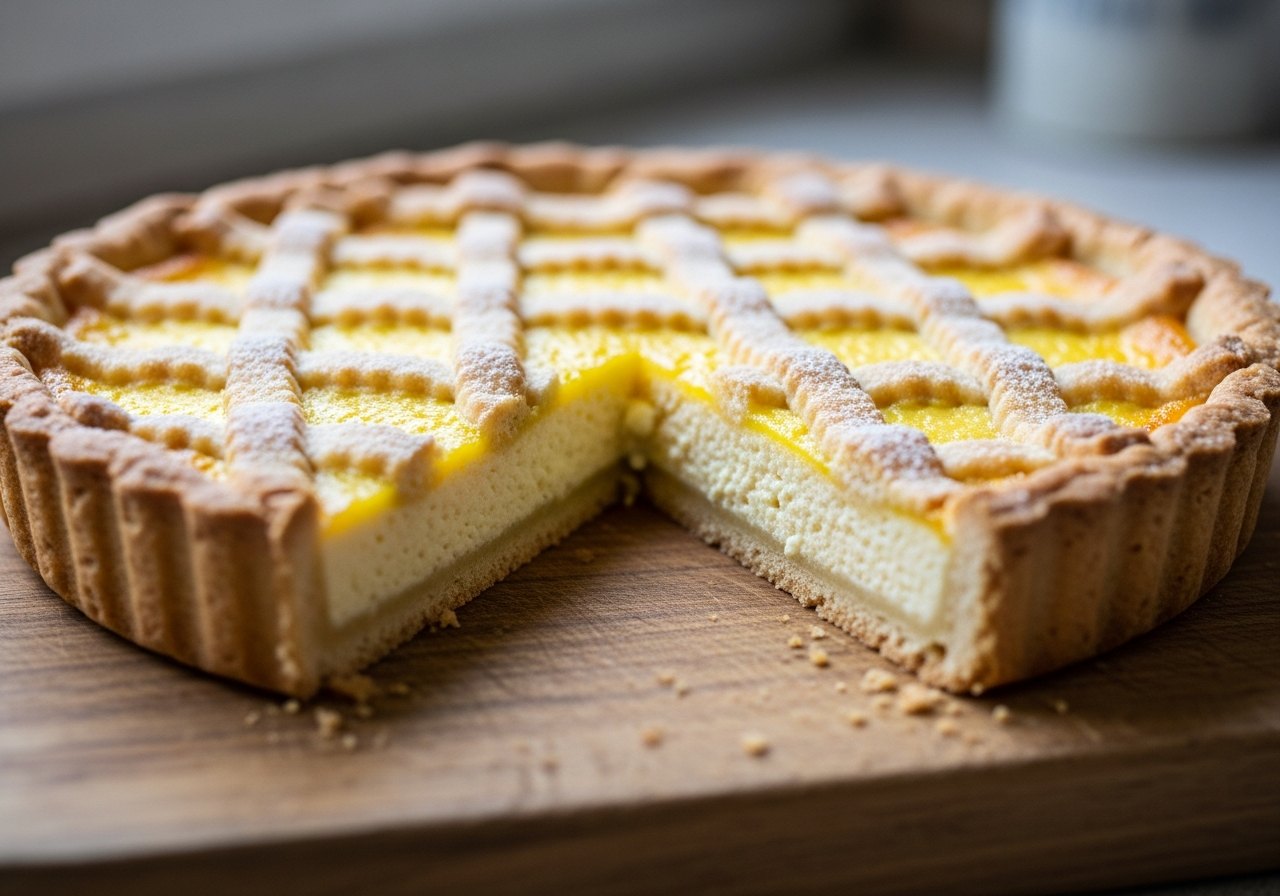
Fiadone (Abruzzese Ricotta Tart) — made and photographed at home.

From the heart of Italy's Abruzzo region comes Fiadone, a rustic yet refined ricotta tart that holds a special place in my culinary heritage. This beloved dish traditionally makes an appearance during Easter festivities, but its comforting charm means it graces tables throughout the year. Whether prepared in its sweet or savoury guise, Fiadone embodies the simple, wholesome flavours that define Abruzzese cooking, bringing warmth and joy with every bite.

Our recipe focuses on the sweet version, a true classic that showcases the creamy richness of fresh ricotta against a backdrop of tender, slightly sweet pastry. Infused with a hint of lemon and vanilla, the filling is both delicate and deeply satisfying. It's a dessert that speaks of tradition, family gatherings, and the unpretentious beauty of Italian provincial cuisine, making it a wonderful centrepiece for any meal.

The Heart of Abruzzese Flavour

The soul of any authentic Fiadone lies in the quality of its ricotta. For the most traditional taste, seek out fresh sheep's milk ricotta, if available, as its slightly tangier and richer profile truly elevates the tart. Regardless of the type, the crucial step is to ensure your ricotta is thoroughly drained; excess moisture will result in a watery filling that won't set properly, undermining the creamy texture we strive for.

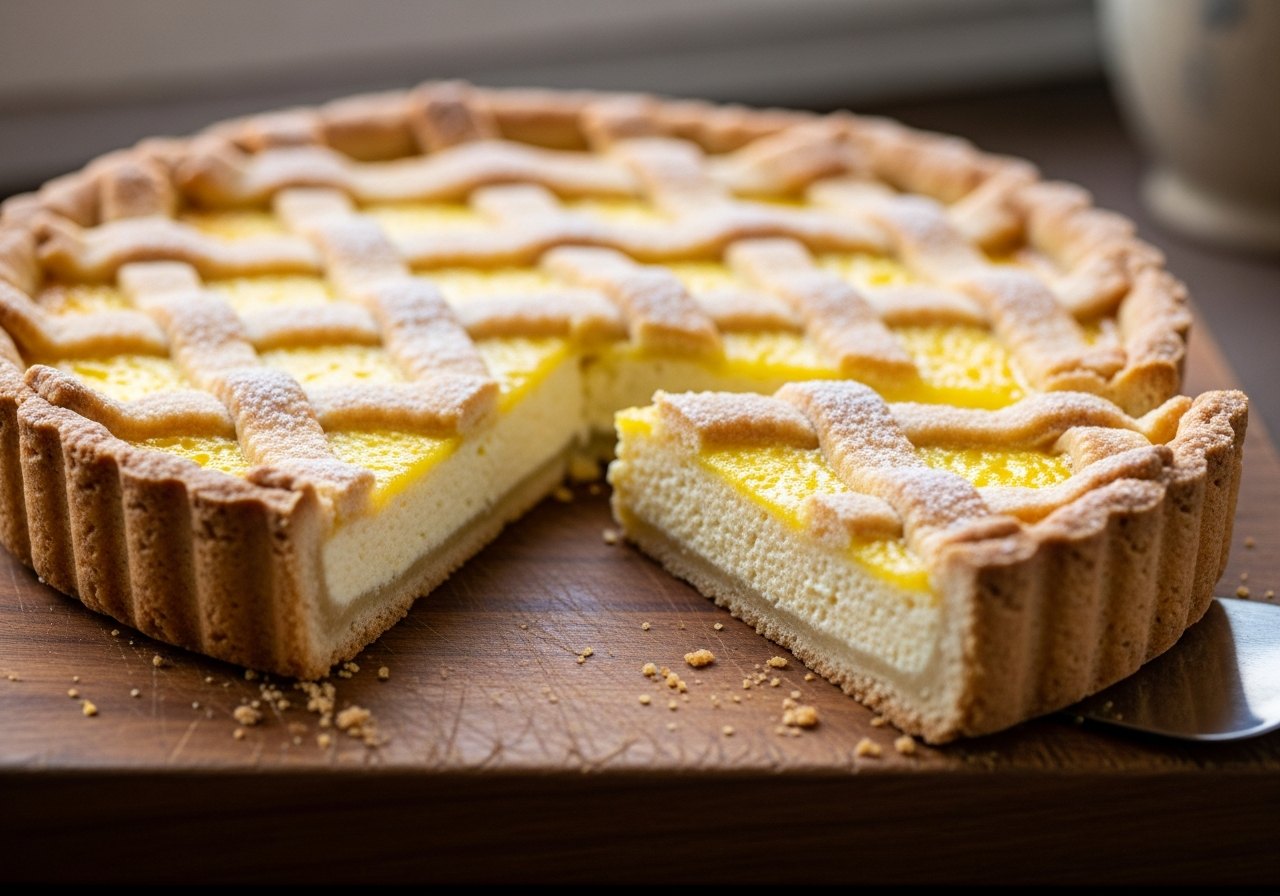
Beyond the ricotta, the subtle interplay of other ingredients in the filling is key. A generous amount of lemon zest brightens the richness of the cheese, while vanilla extract and a whisper of cinnamon add warmth and complexity. Resist the urge to over-sweeten; the beauty of Fiadone is in its balanced, comforting flavour, allowing the natural goodness of the ricotta to shine through.
The Heart of Abruzzese Flavour

Mastering the Pastry Case

The pastry for Fiadone is a simple, shortcrust dough, but its tenderness is paramount. The secret lies in using cold butter and handling the dough as little as possible to prevent gluten development, which can lead to a tough crust. A quick chill in the refrigerator allows the butter to firm up and the gluten to relax, making the dough easier to roll and ensuring a flaky, melt-in-your-mouth texture once baked.

Achieving that perfect golden hue on the pastry is not just for aesthetics; it signifies a well-baked crust that is crisp and fully cooked. Brushing the lattice top with an egg yolk glaze prior to baking not only imparts a beautiful sheen but also helps in achieving that desirable golden-brown finish. Remember to trim your pastry neatly and create a sturdy base to hold the generous ricotta filling.

tip_body

Ensure your ricotta is well-drained to prevent a watery filling; this will keep your tart firm and beautifully set. Also, handle the pastry gently to maintain its tender, flaky texture.
Nonna's tip

Ensure your ricotta is well-drained to prevent a watery filling; this will keep your tart firm and beautifully set. Also, handle the pastry gently to maintain its tender, flaky texture.

Recipe Card

Fiadone (Abruzzese Ricotta Tart)

A traditional Italian ricotta tart from Abruzzo, featuring a creamy, subtly sweet ricotta filling baked inside a delicate, golden pastry.

Prep
30 min
Cook
45-50 min
Chill
30 min
Total
1 hr 15 min
Serves
8
Level
Medium
Ingredients
  • 250g (2 cups) plain flour, plus extra for dusting
  • 100g (1/2 cup) unsalted butter, cold and cubed
  • 70g (1/3 cup) caster sugar
  • 1 large egg
  • Zest of 1/2 lemon
  • Pinch of salt
  • 500g (2 cups) fresh ricotta, well-drained
  • 150g (3/4 cup) caster sugar
  • 2 large eggs
  • Zest of 1 lemon
  • 1 tsp vanilla extract
  • Pinch of ground cinnamon (optional)
  • 1 egg yolk, for glazing
Method
  1. To prepare the pastry, combine the flour, sugar, salt, and lemon zest in a large bowl, then cut in the cold, cubed butter until the mixture resembles fine breadcrumbs.

  2. Add the large egg and mix until a dough forms; knead briefly until just combined, then wrap in cling film and chill in the refrigerator for 30 minutes.

  3. For the filling, in a separate bowl, combine the well-drained ricotta, 150g caster sugar, 2 large eggs, lemon zest, vanilla extract, and cinnamon (if using), mixing until smooth.

  4. Preheat your oven to 180°C (160°C fan/Gas 4) and lightly grease and flour a 22-24cm tart tin.

  5. On a lightly floured surface, roll out two-thirds of the chilled pastry to fit the tart tin, then carefully press it into the tin and trim any excess dough from the edges.

  6. Pour the prepared ricotta filling evenly into the pastry shell.

  7. Roll out the remaining pastry and cut it into strips, then arrange these strips over the filling in a decorative lattice pattern.

  8. Brush the pastry lattice gently with the reserved egg yolk glaze.

  9. Bake for 45-50 minutes, or until the pastry is golden brown and the filling is set, then allow the tart to cool completely in the tin on a wire rack before serving.

Nutrition (per serving)
380
Calories
22 g
Fat
35 g
Carbs
12 g
Protein
25 g
Sugar
Notes
  • Store leftover Fiadone in an airtight container in the refrigerator for up to 3 days.
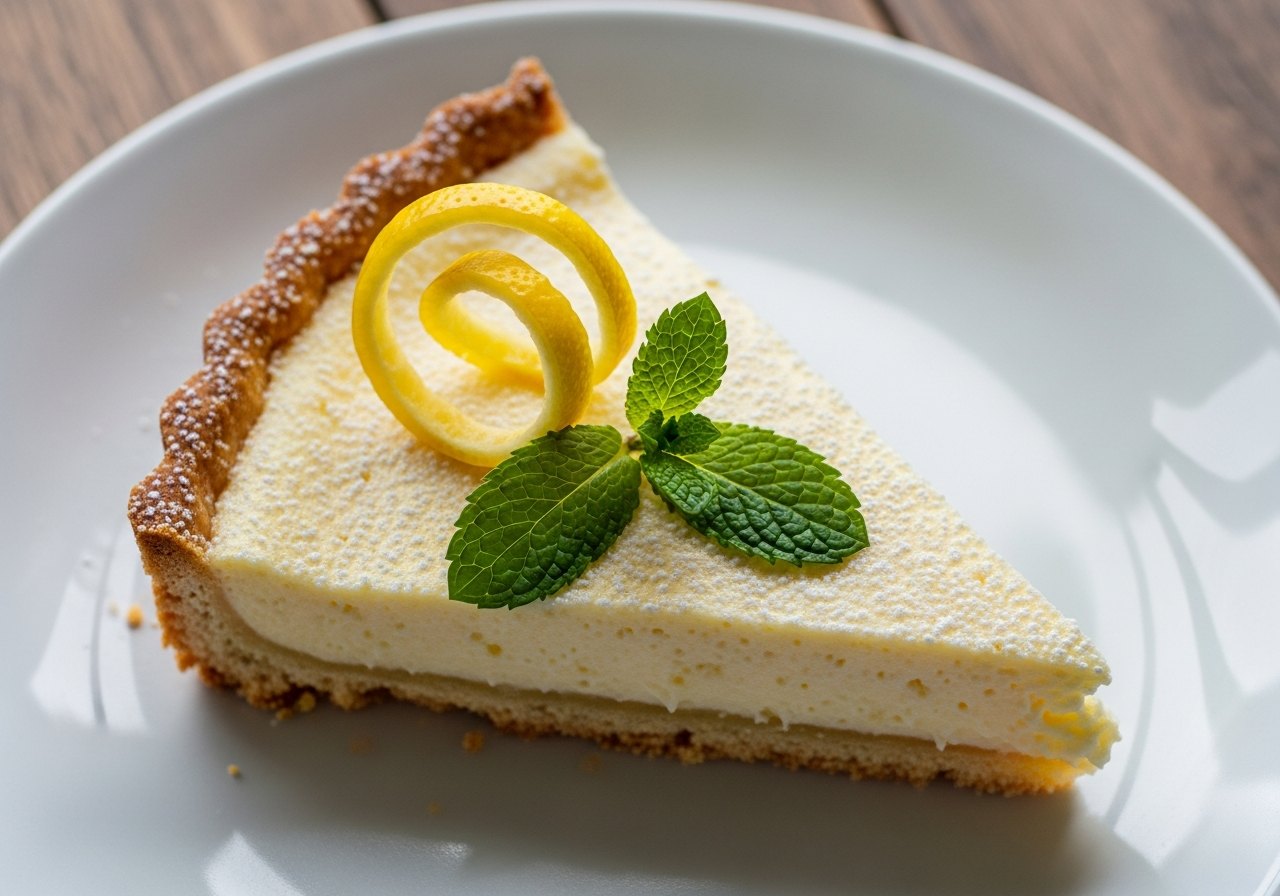
  • Serve at room temperature or slightly chilled, perhaps with a dusting of icing sugar.
Good to know

Frequently asked

My ricotta filling is too runny. What went wrong?

This usually happens if the ricotta wasn't drained enough. Always ensure you drain it for at least an hour, or even overnight in the fridge, to remove excess moisture.

Can I make this tart ahead of time?

Absolutely! Fiadone keeps beautifully. You can bake it a day in advance and store it in the refrigerator. Allow it to come to room temperature before serving.

Can I use a different type of cheese for the filling?

While traditional Fiadone uses ricotta, you could experiment with a mix of ricotta and mascarpone for an even creamier texture, but it won't be strictly traditional.