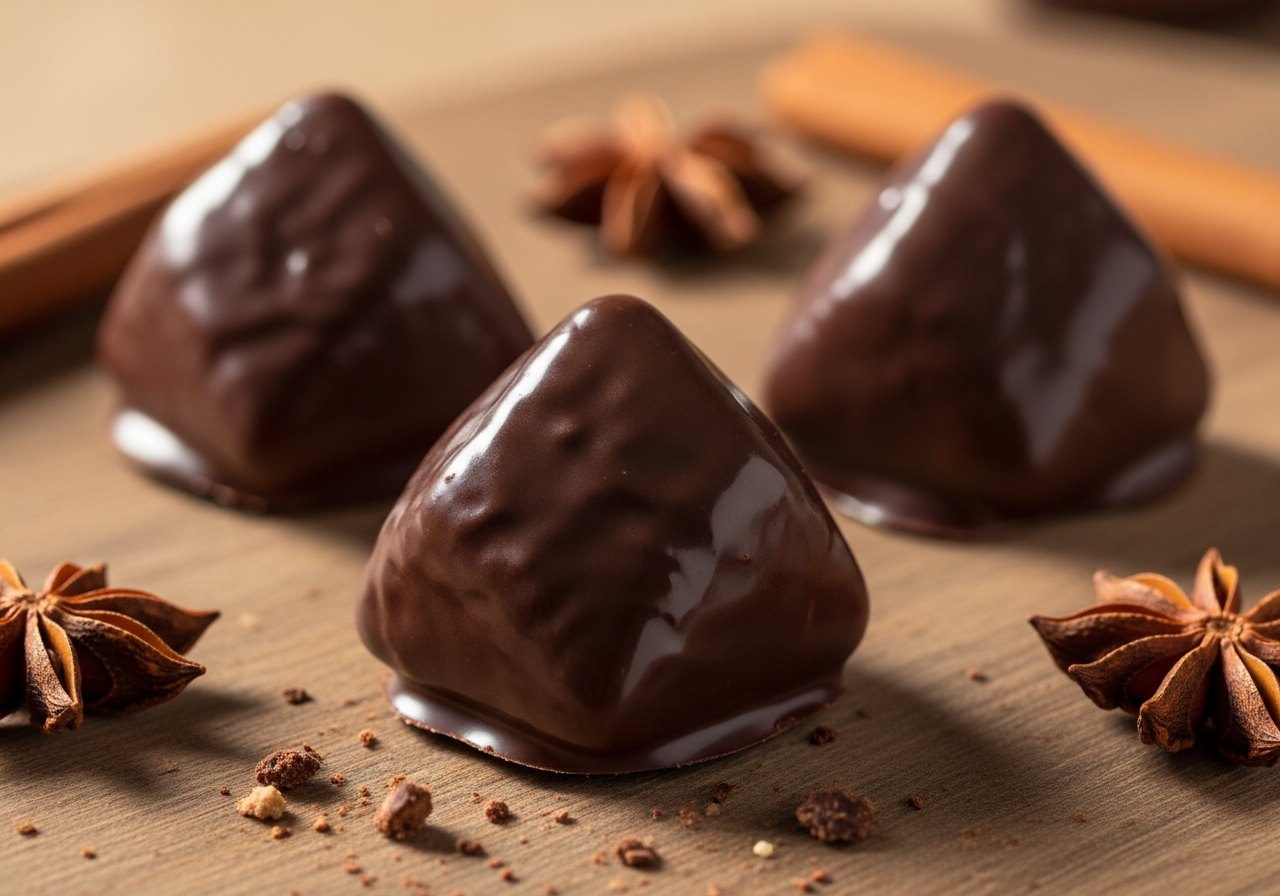
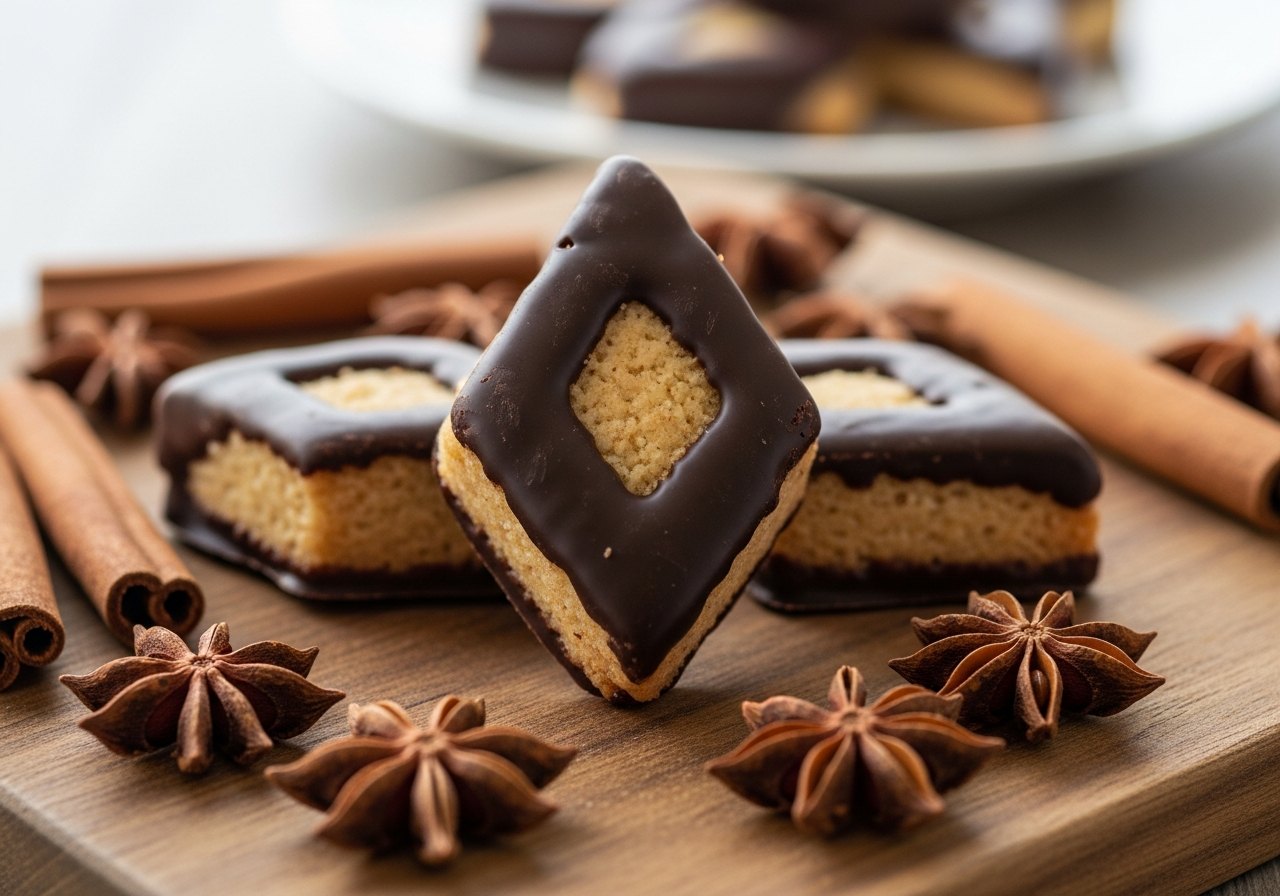
Ah, Mostaccioli! For many, myself included, these diamond-shaped, spiced chocolate cookies are the very taste of Christmas in Southern Italy. Originating from Naples, they are a staple during the festive season, gracing platters alongside roccocò and susamielli. Their unique blend of warming spices and rich dark chocolate evokes deep memories of family gatherings and joyful celebrations around the table.
What truly sets Mostaccioli apart is their intriguing balance of flavours and textures. The dough, traditionally made with honey or grape must, is infused with a fragrant mix of cinnamon, cloves, and nutmeg, offering a subtle warmth that perfectly complements the intense dark chocolate glaze. Each bite is a journey into Italian culinary history, a testament to the simple yet profound artistry of Neapolitan baking.
The Soul of Neapolitan Spices
The aromatic profile of Mostaccioli is crucial, distinguishing them from other chocolate biscuits. Traditionally, a blend of cinnamon, cloves, and sometimes a hint of nutmeg or white pepper creates a warming, complex flavour that is both festive and comforting. These spices are not merely an addition; they are the heart of the cookie's character, reminiscent of ancient trade routes and culinary fusion.
Achieving the right balance is key; you want the spices to sing, not shout. Freshly ground spices will always yield the best results, infusing the dough with a more vibrant and nuanced aroma. This careful selection and blending of spices transforms a simple chocolate cookie into a sophisticated regional delicacy, cherished for generations.
The Art of the 'Pata de Mosto'
While often made with honey today, the most traditional Mostaccioli recipes originally called for 'pata de mosto', or cooked grape must. This ingredient, a byproduct of winemaking, imparts a unique sweetness and a subtle, fruity tang to the dough that is hard to replicate. It contributes to the cookies' characteristic dense yet tender texture, providing depth beyond simple sugar.
If you can't source grape must, a good quality acacia honey or even golden syrup can be a suitable substitute, though the flavour profile will be slightly different. The aim is to create a dough that is firm enough to shape yet remains pliable, ensuring the cookies maintain their distinctive diamond form and delightful chewiness after baking.
Nonna's tip
When glazing, ensure your chocolate is tempered correctly for a shiny, crack-free finish that holds well. If you don't temper, just melt it gently and work quickly; a little coconut oil can help with fluidity.