Sponge & Layer Cakes

Panettone

Master the art of authentic Panettone, a heavenly Italian sweet bread, perfect for festive celebrations.

Panettone
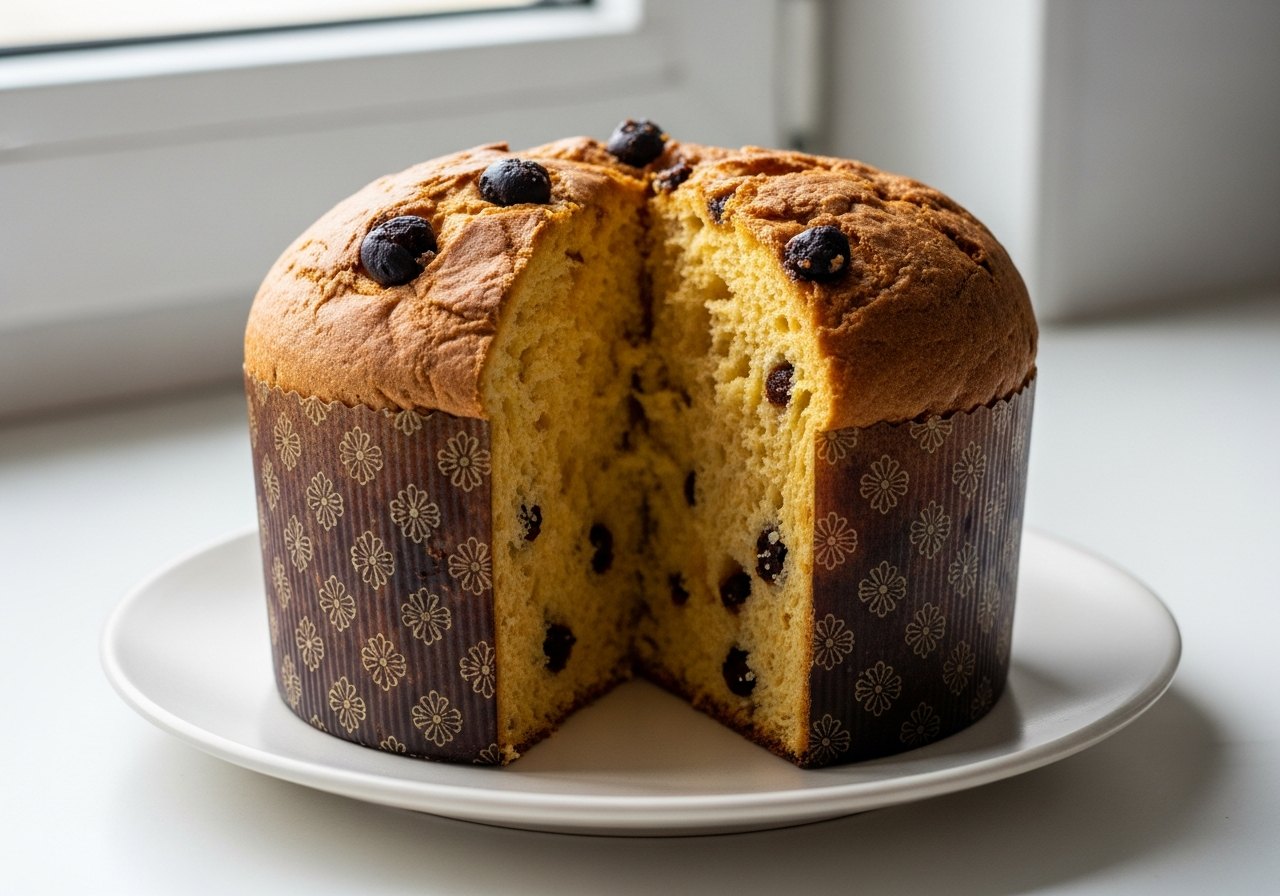
Panettone — made and photographed at home.

Panettone, a true icon of Italian patisserie, holds a special place in our hearts and on our festive tables. Originating from Milan, this sweet, dome-shaped bread is more than just a dessert; it's a symbol of warmth, sharing, and celebration that has been cherished for centuries. Its rich history is interwoven with tales of ingenuity and passion, evolving from humble beginnings to the magnificent delicacy we adore today.

What makes a truly exceptional Panettone is its incredibly light, airy texture, achieved through a long fermentation process and a meticulous balance of ingredients. The delicate flavour profile, infused with candied orange, citron, and raisins, creates a symphony of tastes that perfectly complements its soft, brioche-like crumb. Preparing Panettone at home is a labour of love, but the reward of a freshly baked, aromatic loaf is simply incomparable, filling your kitchen with the joyous spirit of Italy.

The Art of the Lievito Madre

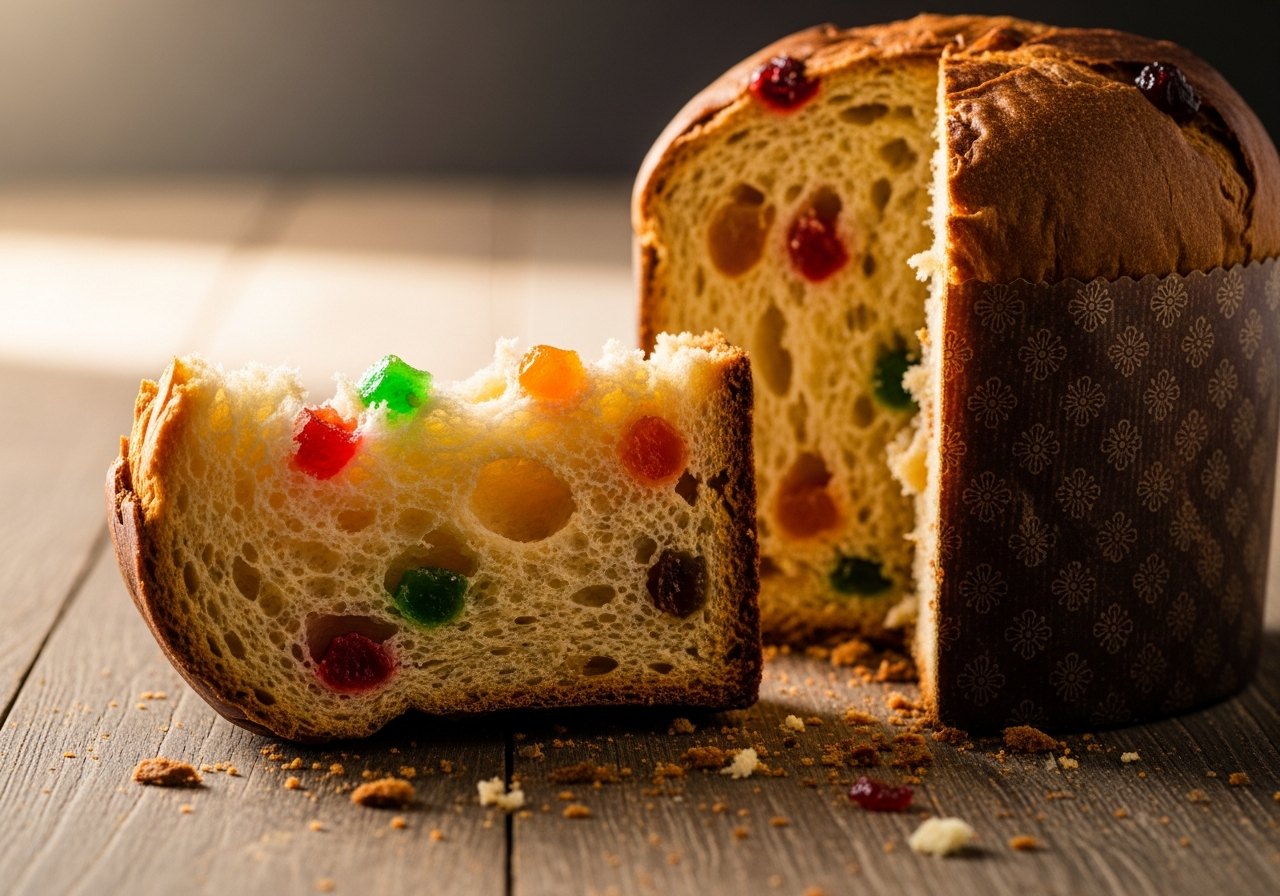
At the heart of an authentic Panettone lies the 'lievito madre', or natural sourdough starter, which is crucial for developing its signature flavour and incredibly airy structure. Unlike commercial yeast, lievito madre provides a slower, more complex fermentation, imparting a subtle tang and enhancing the bread's keeping qualities, making it a truly living dough.

Maintaining a healthy lievito madre requires dedication, regular feeding, and a keen understanding of its needs. This active starter is responsible for the characteristic honeycomb interior of Panettone, ensuring each bite is melt-in-your-mouth tender and deeply aromatic, a testament to traditional Italian baking techniques.
The Art of the Lievito Madre

Achieving the Perfect Candied Fruit Blend

The choice and preparation of candied fruits are paramount to Panettone's flavour and texture. Traditionally, a blend of candied orange peel, citron, and plump raisins is used, providing bursts of sweetness and a fragrant citrus aroma throughout the rich dough. High-quality candied fruits are soft, pliable, and intensely flavourful, not dry or overly tough.

To ensure an even distribution and prevent them from sinking to the bottom, the candied fruits and raisins should be soaked briefly in warm water or a little rum, then thoroughly drained and dusted lightly with flour before being folded into the dough. This small but significant step helps them integrate beautifully and contributes to the overall moisture of the finished bread.

Nonna's tip

Ensure your kitchen is warm throughout the entire proofing process, ideally around 25-28°C, to encourage optimal yeast activity and a light, airy crumb. A cold environment will significantly slow down fermentation and result in a denser Panettone.
Recipe Card

Panettone

This recipe guides you through creating a classic Panettone, a tall, dome-shaped sweet bread studded with candied orange, citron, and raisins, perfect for any festive table.

Prep
4 hours
Cook
50-60 minutes
Chill
0 min
Total
24-30 hours
Serves
10-12
Level
Advanced
Ingredients
  • 300g (2 ½ cups) strong white bread flour
  • 100g (scant ½ cup) active lievito madre (sourdough starter), fed
  • 100g (scant ½ cup) caster sugar
  • 100g (scant ½ cup) unsalted butter, softened
  • 3 large free-range egg yolks
  • 50ml (3 ½ tbsp) whole milk, lukewarm
  • 5g (1 tsp) fine sea salt
  • 1 tsp vanilla extract
  • Zest of 1 orange
  • Zest of 1 lemon
  • 100g (⅔ cup) candied orange peel, diced
  • 50g (⅓ cup) candied citron, diced
  • 75g (½ cup) sultanas (golden raisins), soaked and drained
  • 1 x 1kg Panettone paper mould
Method
  1. Prepare the first dough: Combine 100g flour, 50g sugar, 50g lievito madre, 1 egg yolk, and 25ml milk in a stand mixer, kneading until a shaggy dough forms.

  2. Allow the first dough to proof in a warm place for 12-14 hours, or until it has at least doubled in size and is very airy.

  3. For the second dough: Add the remaining 200g flour, 50g sugar, 50g lievito madre, 2 egg yolks, 25ml milk, and salt to the first dough in the mixer, kneading until smooth and elastic, about 15-20 minutes.

  4. Gradually incorporate the softened butter, orange and lemon zests, and vanilla extract into the dough, continuing to knead until fully absorbed and the dough is incredibly smooth and passes the windowpane test.

  5. Gently fold in the diced candied orange peel, candied citron, and drained sultanas until evenly distributed throughout the dough.

  6. Shape the dough into a taut ball and place it into the 1kg Panettone paper mould, then cover and proof in a warm environment until the dough reaches about 1cm from the top rim, which may take 6-8 hours.

  7. Preheat your oven to 175°C (160°C fan/Gas Mark 3) and score a cross on top of the Panettone before baking for 50-60 minutes, or until deeply golden brown and a skewer inserted comes out clean.

  8. Immediately after baking, insert two long skewers through the base of the Panettone and hang it upside down for at least 4-6 hours, or overnight, to prevent it from collapsing.

Nutrition (per serving)
380
Calories
18 g
Fat
45 g
Carbs
8 g
Protein
25 g
Sugar
Notes
  • Store Panettone at room temperature in an airtight container or wrapped in cling film for up to one week to maintain its freshness.
  • Serve slices of Panettone plain, toasted with butter, or alongside a glass of sweet sparkling wine like Moscato d'Asti for a truly Italian experience.
Good to know

Frequently asked

Why did my Panettone collapse after baking?

Collapsing is often due to insufficient baking, causing the internal structure to be too weak. Ensure it's fully cooked and always hang it upside down immediately after removing it from the oven to set the crumb.

My Panettone dough isn't rising, what went wrong?

Lack of rise is usually a sign of an inactive lievito madre or a too-cold proofing environment. Make sure your starter is vigorous and your kitchen is sufficiently warm during both proofing stages.

Can I use active dry yeast instead of lievito madre?

While you can substitute with commercial yeast, it won't yield the same complex flavour, airy texture, or extended shelf life that a traditional lievito madre provides. For an authentic Panettone, the starter is key.