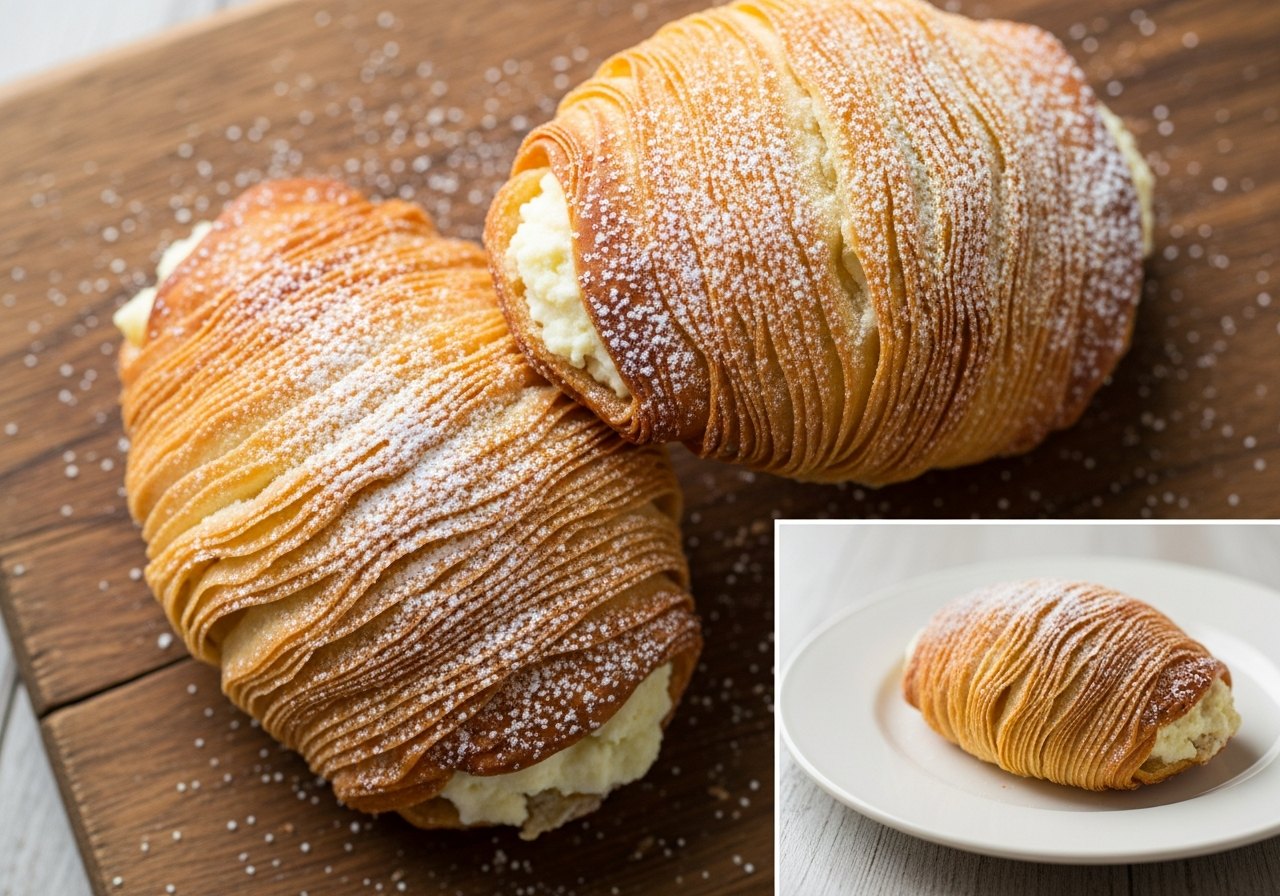
From the bustling streets of Naples, Sfogliatelle ricce, affectionately known as 'lobster tails', are a culinary masterpiece. This intricate pastry, with its distinctive shell-like layers and rich, aromatic filling, tells a story of centuries-old tradition and meticulous craftsmanship. Each bite transports you to the sun-drenched piazzas, offering a symphony of textures and flavours that are truly unforgettable.
Creating Sfogliatelle is a labour of love, but the reward is immense. The secret lies in the ultra-thin, almost transparent layers of dough, meticulously rolled and folded, which puff up in the oven to create that signature crispness. Paired with a luscious filling of sweetened ricotta, semolina, and fragrant candied citrus, these pastries are a testament to the enduring magic of Italian baking.
Mastering the Sfogliatelle Dough
The heart of a perfect sfogliatella lies in its incredibly thin, layered dough, known as 'sfoglia'. This requires careful preparation, beginning with a very firm, elastic dough made from strong bread flour and water. The dough must be kneaded extensively to develop sufficient gluten, which is crucial for achieving its characteristic elasticity and ability to be stretched to near transparency.
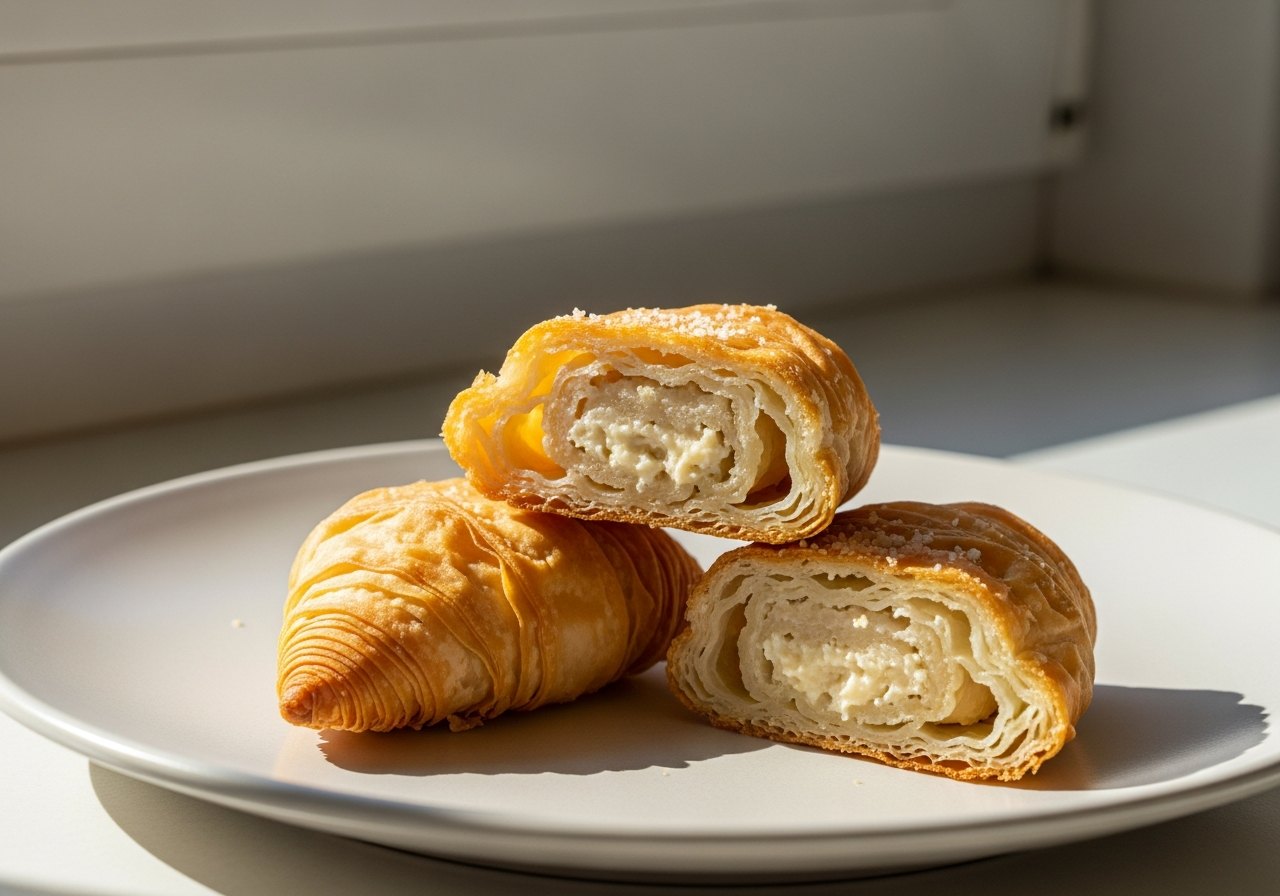
Once the dough is prepared, it is rolled into a very thin sheet, then coated with lard or butter and rolled tightly into a log. This log is then sliced, and each slice is gently pressed and stretched by hand to form the conical 'shell' shape. The lard between the layers creates steam during baking, separating the dough into those iconic, crisp layers, much like a good croissant or puff pastry.
The Ricotta Filling: Heart of Naples
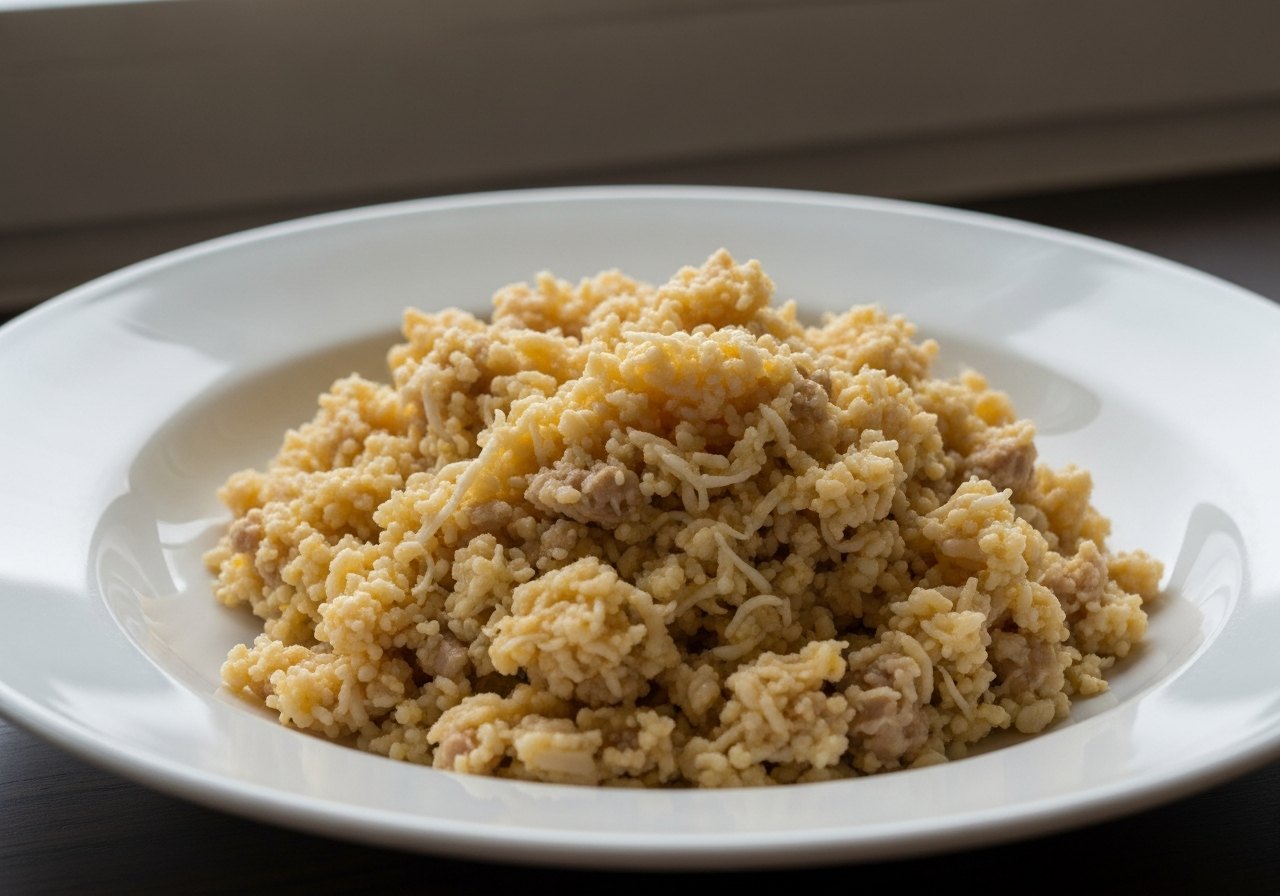
The traditional filling for sfogliatelle ricce is a creamy, sweet mixture centred around fresh ricotta cheese and semolina. The semolina is cooked with water until thick, then cooled before being combined with the ricotta. This ensures a smooth, firm base for the filling that holds its shape beautifully within the baked pastry.
Flavourings are key to the Neapolitan character of the filling. Candied orange peel and citron are typically finely diced and folded in, alongside a generous amount of sugar, a touch of vanilla, and sometimes a whisper of cinnamon. An egg yolk is often added to enrich the mixture and provide a little binding, resulting in a luscious, aromatic counterpoint to the crisp outer shell.
Nonna's tip
When rolling the dough, aim for paper-thin transparency to achieve maximum flakiness; you should almost be able to read through it. Don't be afraid to use a pasta machine for consistent and effortless results, gradually decreasing the thickness setting.