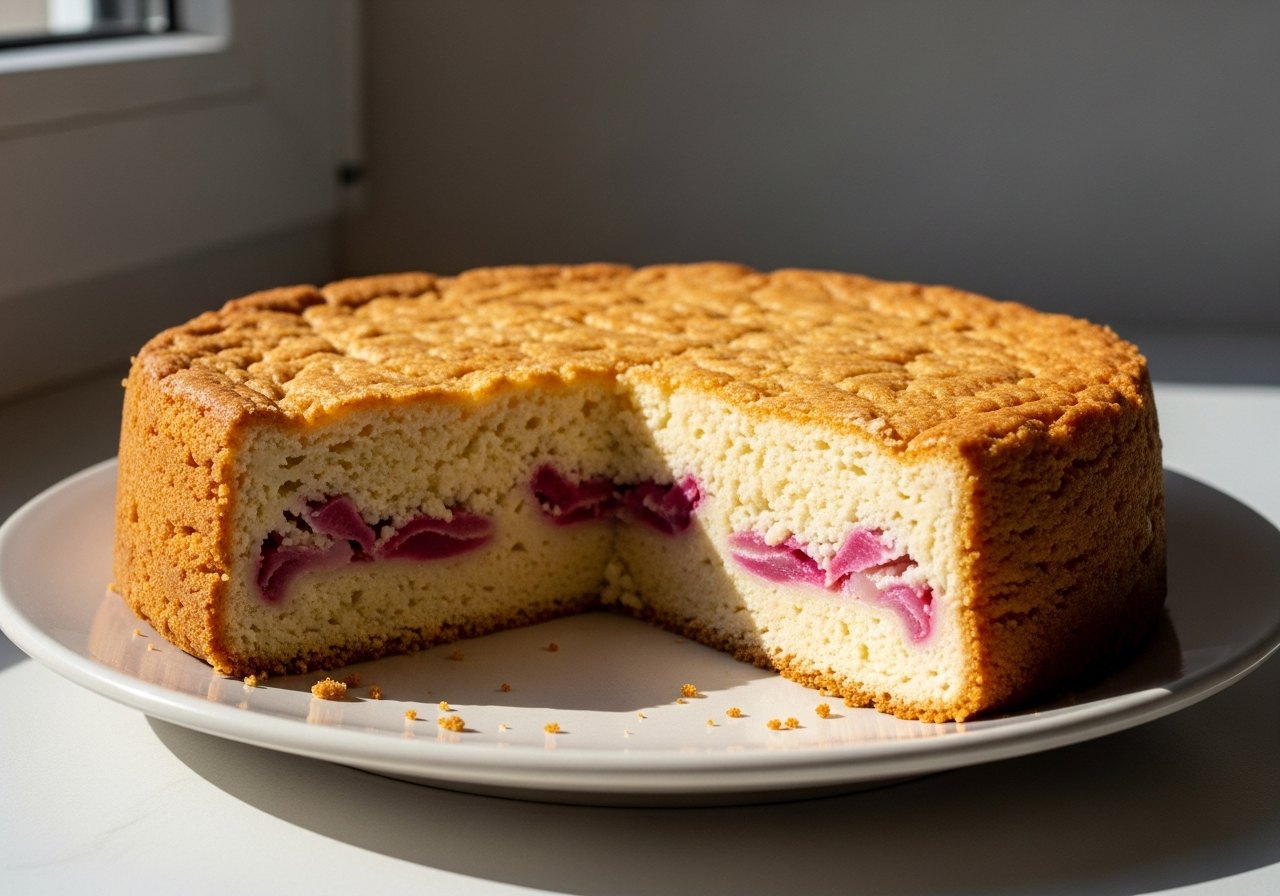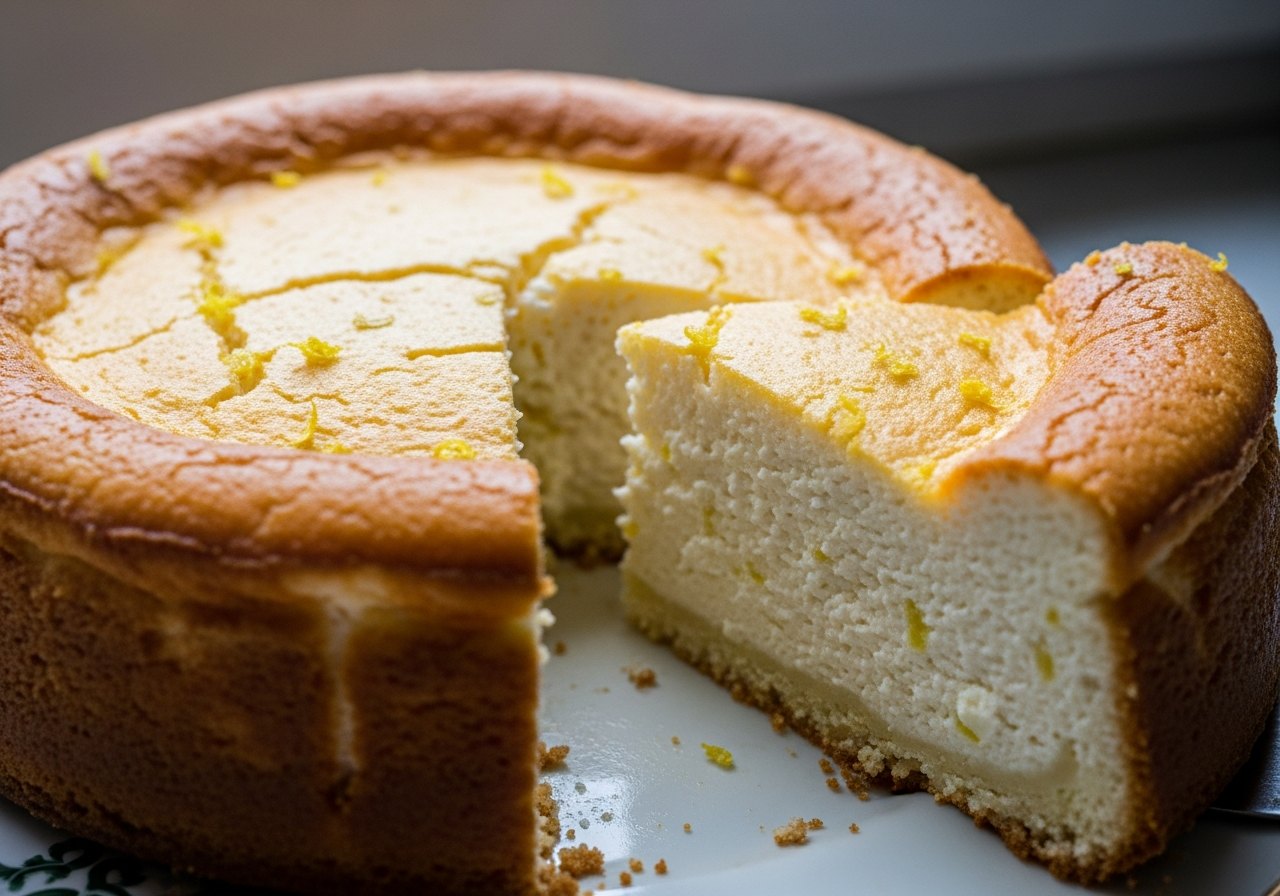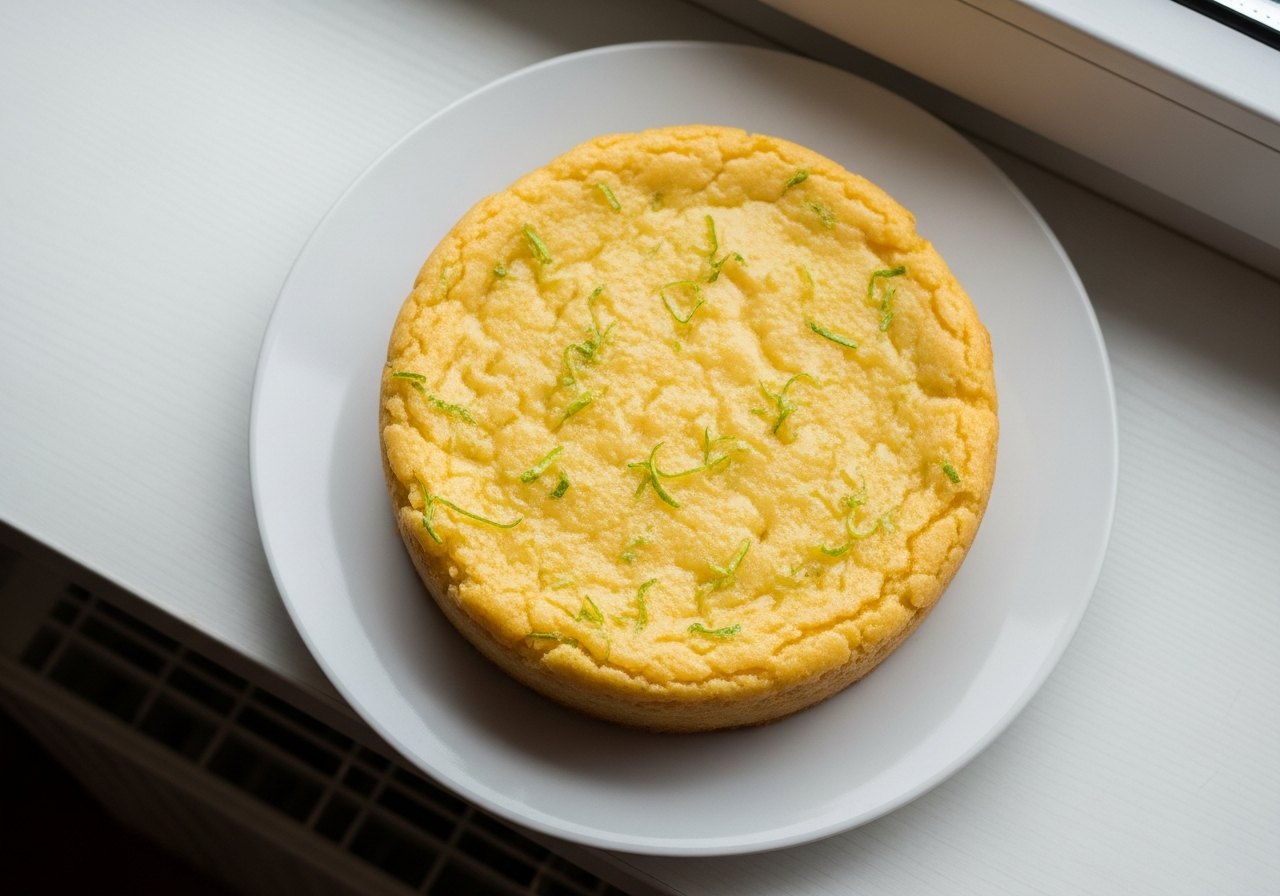
Ah, Torta della Nonna! This beloved 'Grandmother's Cake' holds a special place in the heart of Italian cuisine, evoking warmth, comfort, and the timeless wisdom of generations. Traditionally a simple custard tart, our version elevates this classic with the bright, zesty flavour of Amalfi lemons, a true taste of the Mediterranean sun. It's a dessert that speaks of Sunday family lunches and sweet, shared moments.
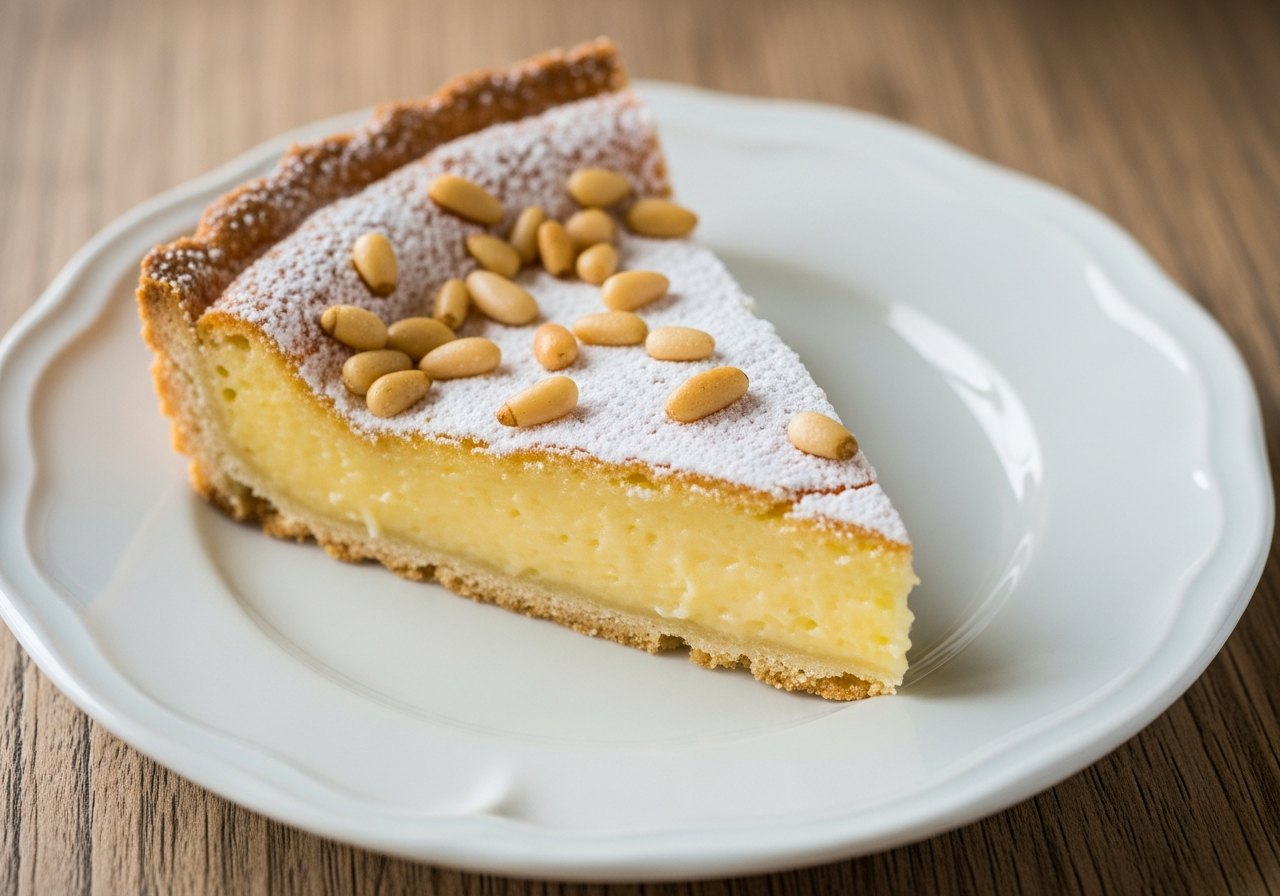
Our Torta della Nonna al Limone features a perfectly crisp, buttery pasta frolla crust, cradling a silken, intensely fragrant lemon crema pasticcera. Topped with a sprinkle of golden pine nuts and a delicate dusting of icing sugar, it ’s a symphony of textures and tastes. This recipe is a testament to the beauty of simple, high-quality ingredients, transformed into something truly magical.
The Secret to Perfect Pasta Frolla
The foundation of any great Italian tart is its pasta frolla, a sweet shortcrust pastry that is both tender and crumbly. The key lies in not overworking the dough, allowing the butter to remain in small pieces, which creates those delightful flaky layers upon baking. Using cold butter, cut into small cubes, and incorporating it quickly is crucial for a delicate texture.
Once the dough comes together, resist the urge to knead it excessively. Instead, gather it into a disk, wrap it tightly, and chill it for at least 30 minutes. This resting period allows the gluten to relax, preventing shrinkage during baking and making the dough much easier to roll out. A well-chilled dough is your best friend for a perfectly crisp crust.
Crafting the Silky Crema Pasticcera
Our lemon crema pasticcera is the heart of this Torta della Nonna, offering a luxurious, creamy counterpoint to the crisp pastry. Achieving its signature smooth, lump-free consistency requires patience and constant stirring. Gently heating the milk with lemon zest infuses it with fragrance before it even meets the egg yolks and sugar.
When combining the warm milk with the egg mixture, remember to temper the eggs by slowly whisking a small amount of hot milk into them first. This prevents the eggs from scrambling. Continue to cook the custard over a medium heat, stirring continuously with a whisk, until it thickens to a rich, velvety consistency. Pass it through a sieve for ultimate smoothness, then cover it with cling film directly on the surface to prevent a skin from forming.
Nonna's tip
To prevent a soggy bottom, blind bake your pastry shell until lightly golden before adding the custard. This creates a protective barrier and ensures a crisp base.