Sponge & Layer Cakes

Torta Paradiso

Discover the divine lightness of Torta Paradiso, a heavenly Italian sponge cake perfect for any occasion.

Torta Paradiso
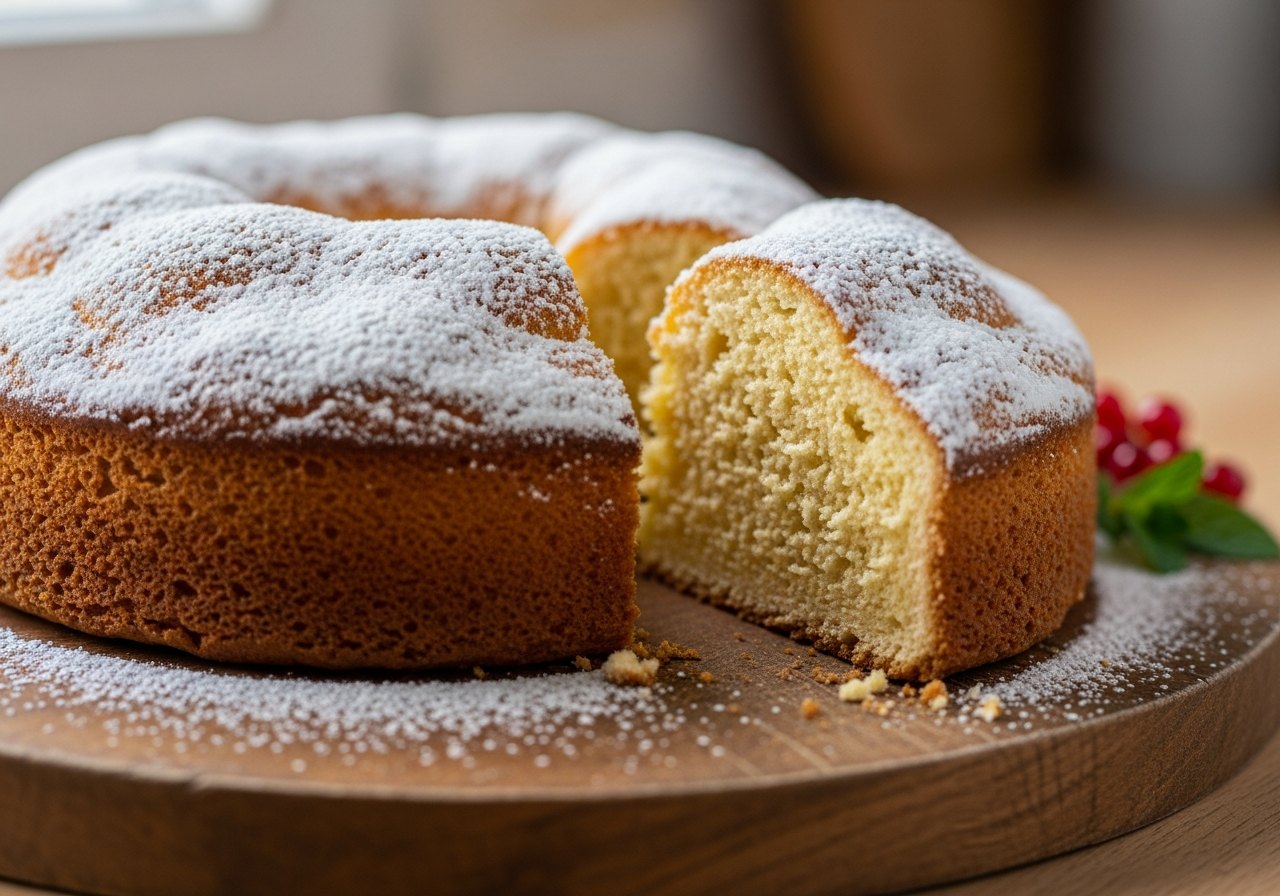
Torta Paradiso — made and photographed at home.

Hailing from Pavia, Italy, Torta Paradiso, or "Paradise Cake," truly lives up to its name. Legend has it that this cake was created in the late 19th century by baker Enrico Vigoni, who, upon tasting it, exclaimed it was so good it must be from paradise. Its delicate, melt-in-your-mouth texture and subtle fragrance have made it a beloved classic, often enjoyed simply with a dusting of icing sugar.

What sets Torta Paradiso apart is its unique combination of ingredients and a meticulous preparation method that yields an incredibly fine and airy crumb. The generous use of butter, eggs, and crucially, potato starch, contributes to its signature lightness. It's a versatile cake, perfect for a traditional Italian breakfast, an afternoon tea, or as a light dessert after a rich meal.

The Secret to its Ethereal Texture

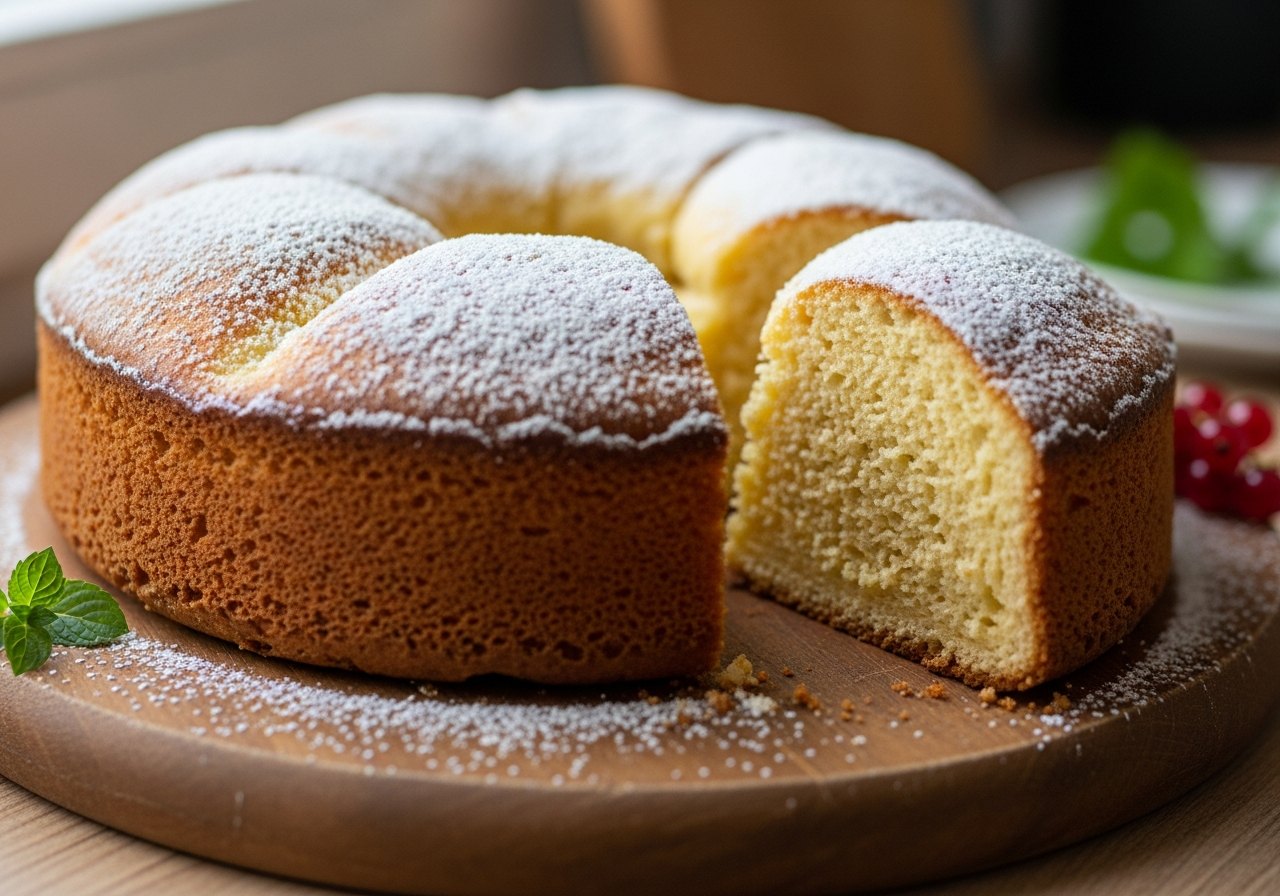
The distinctively light and delicate texture of Torta Paradiso is largely attributed to the inclusion of potato starch. Unlike plain flour alone, potato starch, or cornflour if unavailable, helps to create a finer, softer crumb that almost melts in your mouth. This ingredient, combined with a meticulous creaming process of butter and sugar, is fundamental to achieving the cake's heavenly lightness.

Equally important is the careful incorporation of air. Whipping the eggs until pale and fluffy, then gently folding them into the butter mixture, ensures maximum aeration. Overmixing at any stage, particularly after adding the dry ingredients, can develop the gluten in the flour too much, resulting in a tougher, denser cake rather than the desired ethereal lightness. Patience and a light hand are key.
The Secret to its Ethereal Texture

A Taste of Italian Tradition

Torta Paradiso embodies the simplicity and elegance often found in traditional Italian baking. It's a cake that doesn't rely on elaborate fillings or frostings to impress; its beauty lies in its pure, unadulterated flavour and texture. Often found in Italian bakeries, it's a nostalgic treat for many, evoking memories of childhood and family gatherings.

While delicious on its own, Torta Paradiso is traditionally served simply dusted with icing sugar. It pairs wonderfully with a strong espresso, a delicate herbal tea, or even a glass of sweet dessert wine. For a touch of freshness, you could serve it alongside some fresh berries or a light fruit compote, but truly, its inherent charm is best appreciated unadorned.

Perfecting the Batter

The first step to a perfect Torta Paradiso is ensuring your butter is truly soft and at room temperature. This allows it to cream smoothly with the sugar, creating a light, airy base for your batter. Cold butter will result in a lumpy mixture and a denser cake.

When adding the eggs, incorporate them one at a time, beating well after each addition until fully combined. This emulsifies the mixture, preventing it from splitting and ensuring a smooth, uniform batter that will bake into an exquisitely tender cake.

Nonna's tip

Ensure all your ingredients, especially butter and eggs, are at room temperature. This significantly aids in creating a smooth, emulsified batter and achieving that characteristic light texture.
Recipe Card

Torta Paradiso

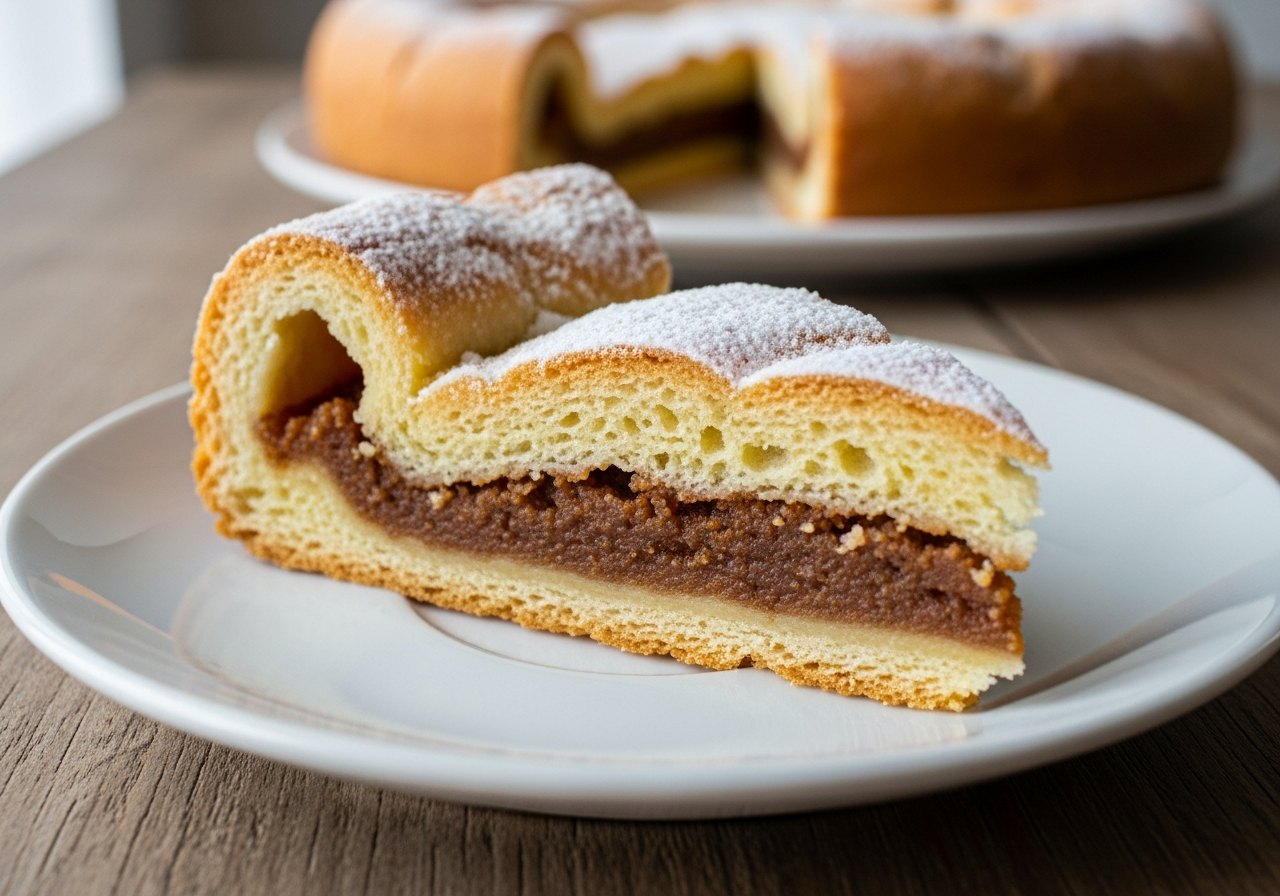
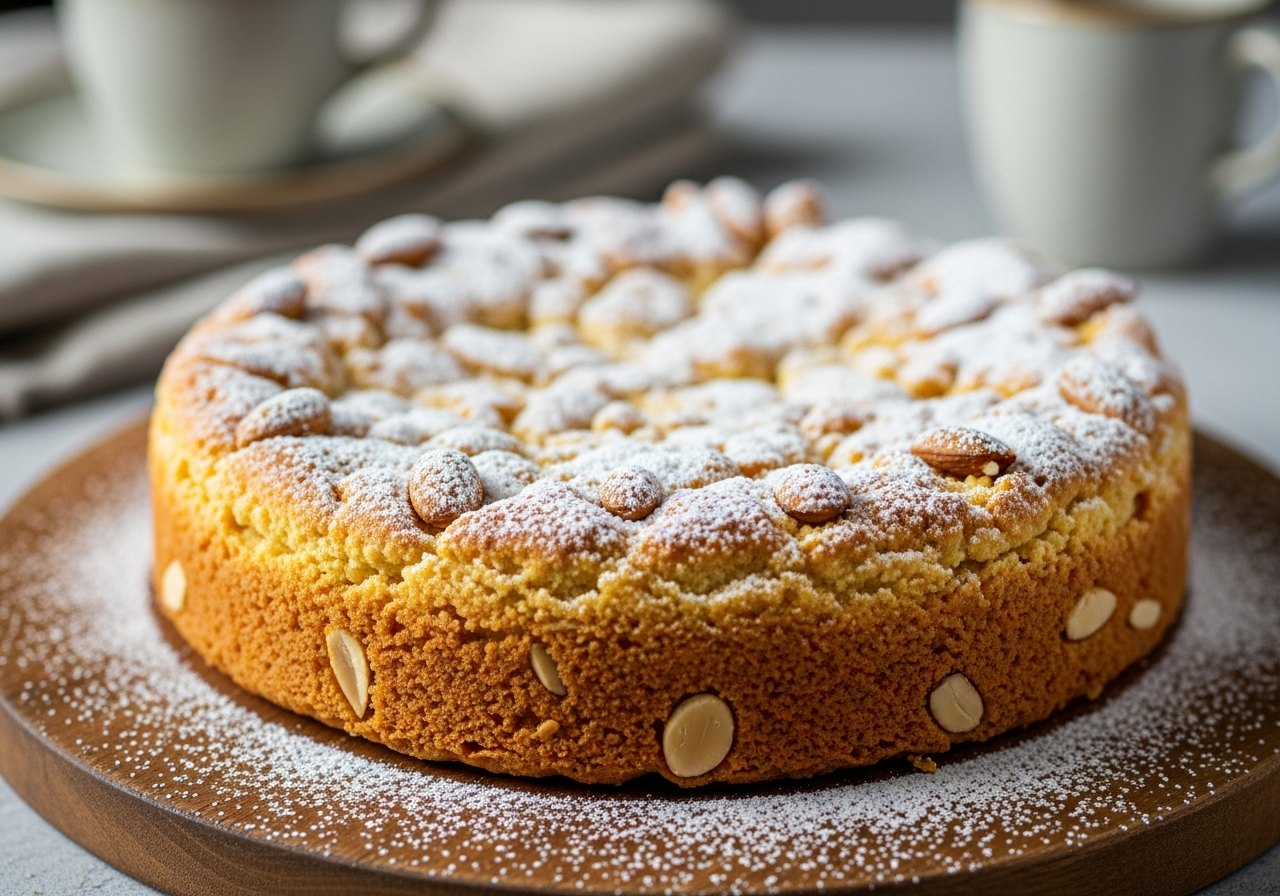
This Torta Paradiso recipe creates a wonderfully light and fragrant Italian sponge cake, perfect for a delicate dessert or a delightful afternoon treat.

Prep
20 min
Cook
40 min
Total
1 hr
Serves
8-10
Level
Medium
Ingredients
  • 200g (1 cup) unsalted butter, softened
  • 200g (1 cup) caster sugar
  • 4 large eggs, at room temperature
  • 100g (3/4 cup) plain flour
  • 100g (3/4 cup) potato starch (or cornflour)
  • 1 tsp baking powder
  • 1 tsp vanilla extract
  • 1 tsp lemon zest (from 1 small lemon)
  • 2 tbsp icing sugar, for dusting
Method
  1. Preheat your oven to 170°C (150°C fan/Gas Mark 3) and grease and flour a 22cm (8.5-inch) round springform cake tin, lining the base with baking paper.

  2. In a large mixing bowl, cream together the softened butter, caster sugar, vanilla extract, and lemon zest with an electric mixer until the mixture is light, pale, and fluffy.

  3. Add the eggs one at a time, beating well after each addition until fully incorporated and the mixture is smooth and emulsified.

  4. In a separate bowl, sift together the plain flour, potato starch, and baking powder.

  5. Gradually fold the dry ingredients into the wet mixture using a spatula, being careful not to overmix; stop as soon as no streaks of flour remain.

  6. Pour the batter into the prepared cake tin and smooth the top with a spatula, then bake for 35-40 minutes, or until a skewer inserted into the centre comes out clean.

  7. Allow the cake to cool in the tin for 10 minutes before carefully inverting it onto a wire rack to cool completely.

  8. Once cooled, generously dust the Torta Paradiso with icing sugar before serving.

Nutrition (per serving)
380
Calories
22 g
Fat
40 g
Carbs
7 g
Protein
25 g
Sugar
Notes
  • Store Torta Paradiso in an airtight container at room temperature for up to 3 days to maintain its freshness and delicate texture.
  • Serve this cake simply dusted generously with icing sugar, perhaps alongside a cup of freshly brewed espresso or a light fruit salad for a delightful treat.
Good to know

Frequently asked

Why is my Torta Paradiso dense instead of light and airy?

A dense cake often results from overmixing the batter, which develops the gluten in the flour too much. Ensure you fold the dry ingredients gently and stop as soon as they are just combined. Also, make sure your butter and eggs are at room temperature.

Can I substitute potato starch with another ingredient?

Yes, if potato starch is not available, cornflour (cornstarch) is an excellent substitute and will provide a very similar light and tender crumb to your Torta Paradiso.

How do I know when the Torta Paradiso is perfectly baked?

The cake is ready when it is golden brown on top and springs back when lightly touched. The most reliable test is to insert a wooden skewer or toothpick into the centre; if it comes out clean, the cake is cooked through.