Cheesecakes & Tarts

Apricot Crostata

Experience the sun-kissed sweetness of Italian apricots baked into a rustic, tender shortcrust pastry.

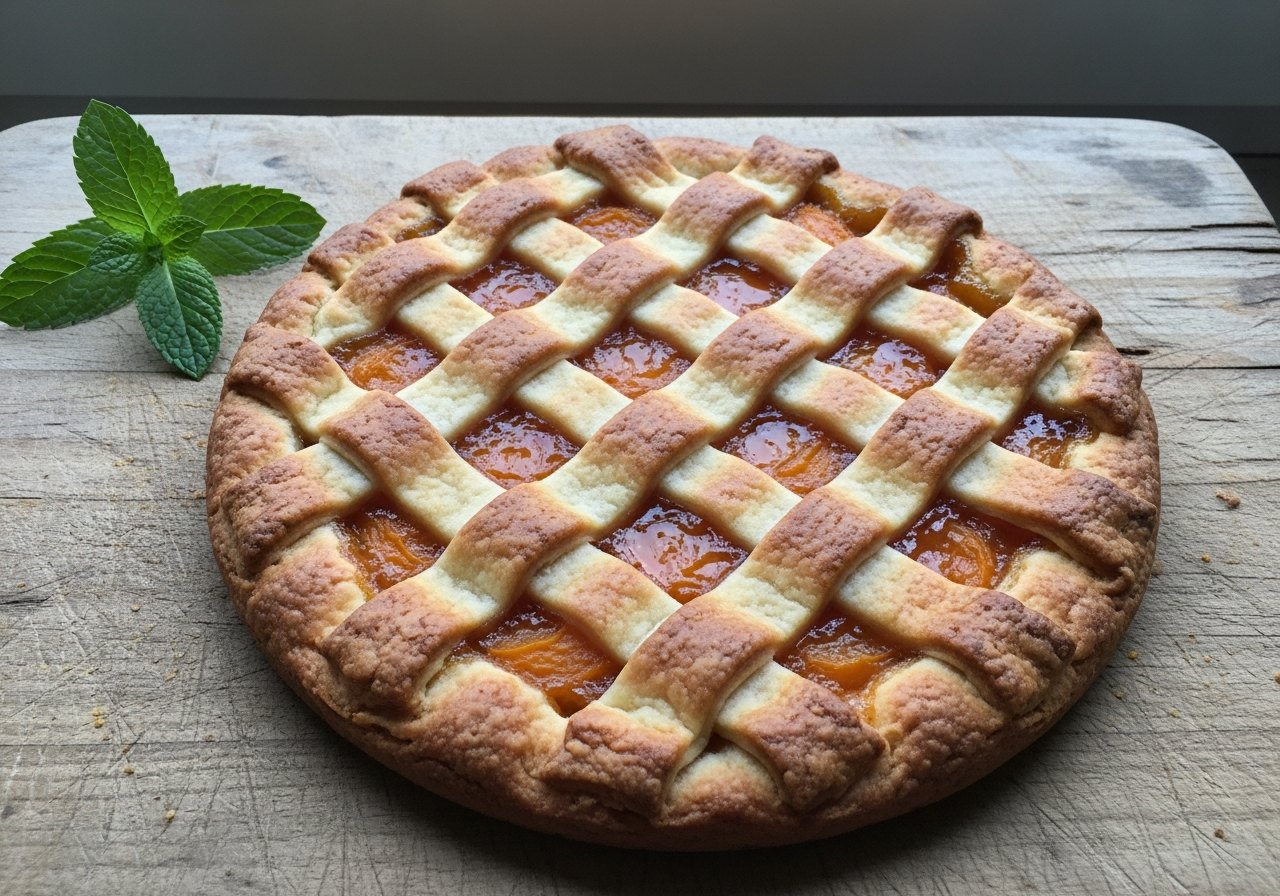
Apricot Crostata
Apricot Crostata — made and photographed at home.

Ah, the crostata! For Italians, it's more than just a tart; it's a comforting embrace, a sweet memory of nonna's kitchen and simple, wholesome goodness. This rustic open-faced pie, with its crumbly shortcrust pastry and luscious fruit filling, embodies the heart of Italian home baking, proving that true delight often lies in the sincerest of ingredients and uncomplicated methods. It's a testament to the beauty of culinary tradition, passed down through generations.

Our Apricot Crostata celebrates the radiant flavour of ripe apricots, a fruit that captures the very essence of Italian sunshine. Whether you opt for a vibrant, high-quality preserve or decide to transform fresh, seasonal apricots into a jammy filling, the result is a perfect balance of sweet and tangy. This dessert is wonderfully versatile, equally at home on a celebratory table or enjoyed with a morning espresso, bringing a slice of Italian summer to any moment.

The Art of Pasta Frolla

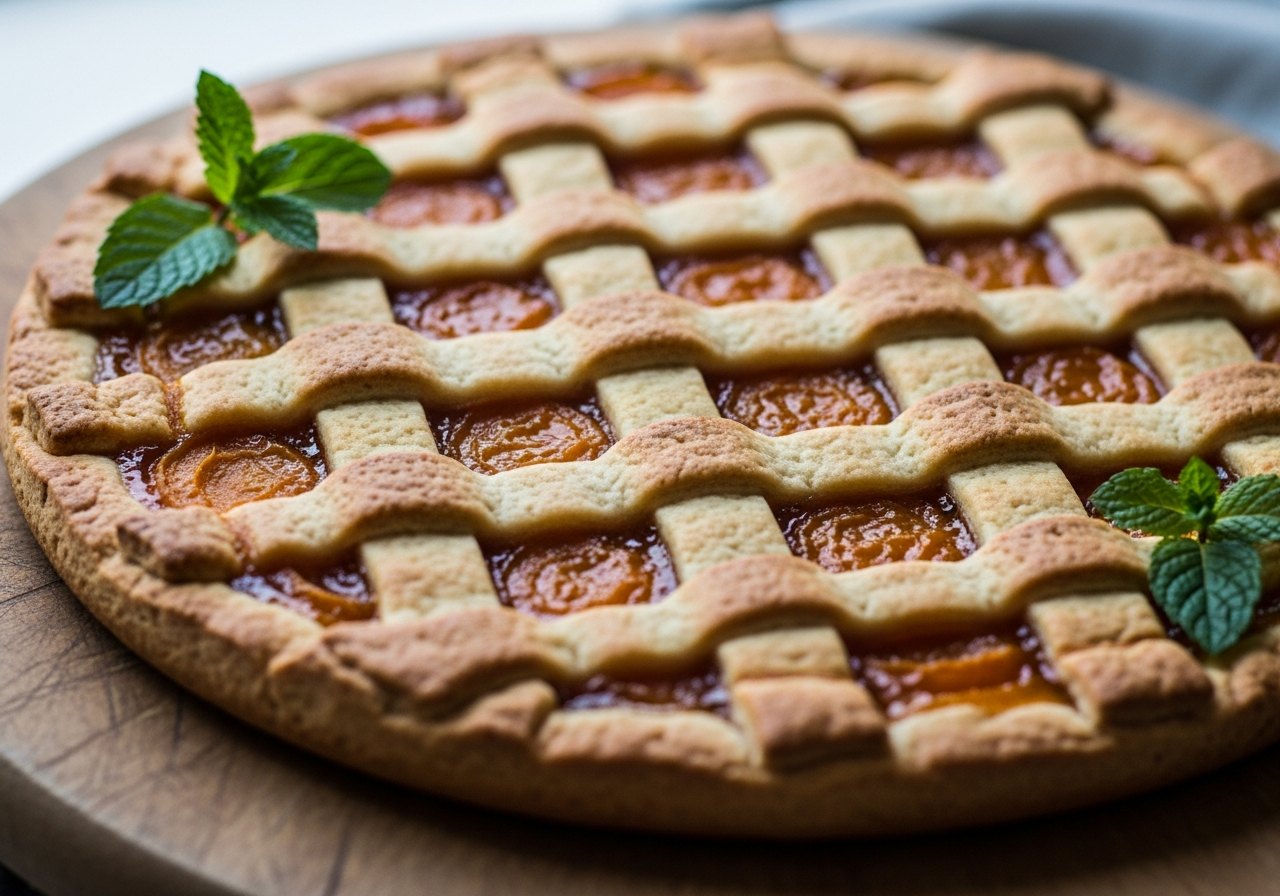
The foundation of any exquisite crostata is a perfectly executed pasta frolla, our traditional Italian shortcrust pastry. Unlike many other pastry types, pasta frolla is meant to be tender, crumbly, and slightly sweet, providing a delightful contrast to the fruit filling. The key is to use cold butter and work quickly, ensuring the butter doesn't melt and the gluten in the flour doesn't overdevelop.

For a truly authentic texture, rub the cold butter into the flour and sugar mixture until it resembles fine breadcrumbs, then bind it lightly with egg yolk and a hint of lemon zest. This minimal handling prevents the pastry from becoming tough and allows it to achieve that coveted melt-in-the-mouth quality. Always remember to chill your dough; it makes it much easier to roll and reduces shrinkage during baking.
The Art of Pasta Frolla

Choosing Your Apricots (or Preserve)

While a crostata can be made with various fruits, the apricot version holds a special place, offering a bright, sunny flavour that is simply irresistible. The quality of your apricot preserve is paramount here; opt for one with a high fruit content and a good balance of sweetness and tartness, avoiding anything overly sugary or artificial. A good preserve will give you a rich, glistening filling that holds its shape beautifully.

If you're lucky enough to have access to fresh, ripe apricots, you can certainly make your own filling. Simply pit and chop the apricots, then cook them gently with a little sugar and a splash of water or lemon juice until they break down into a thick, jammy consistency. This homemade approach offers an unparalleled freshness, though it does add a little extra preparation time to your baking adventure.

Nonna's tip

Do not overwork the pasta frolla; handle it gently and quickly to maintain its tender, crumbly texture. A chilled dough is easier to roll and less likely to shrink during baking.
Recipe Card

Apricot Crostata

A traditional Italian open-faced tart with a rich, buttery pastry crust and a luscious apricot filling, ideal for dessert or a sweet breakfast.

Prep
30 min
Cook
40-45 min
Chill
30 min
Total
1 hr 45 min
Serves
8
Level
Easy
Ingredients
  • 250g (2 cups) plain flour, plus extra for dusting
  • 125g (1/2 cup + 1 tbsp) cold unsalted butter, cubed
  • 100g (1/2 cup) caster sugar
  • 1 large egg yolk
  • Zest of 1/2 lemon
  • Pinch of fine salt
  • 300g (1 cup + 2 tbsp) good quality apricot preserve
  • 1 tbsp milk (optional, for egg wash)
Method
  1. Sift the plain flour, caster sugar, and pinch of salt into a large bowl.

  2. Add the cold, cubed butter to the dry ingredients and rub it in with your fingertips until the mixture resembles fine breadcrumbs.

  3. Stir in the lemon zest, then add the egg yolk and gently bring the dough together with your hands until it forms a ball. Do not overwork it.

  4. Flatten the dough slightly into a disc, wrap it in cling film, and chill in the refrigerator for at least 30 minutes.

  5. Preheat your oven to 180°C (160°C fan/350°F/Gas 4). Lightly grease and flour a 22-24cm (9-inch) round fluted tart tin.

  6. Divide the chilled dough into two portions, roughly two-thirds for the base and one-third for the lattice. On a lightly floured surface, roll out the larger portion to about 3-4mm thickness and carefully line the prepared tart tin, trimming any excess.

  7. Spread the apricot preserve evenly over the pastry base. Roll out the remaining dough and cut it into strips, then arrange them in a lattice pattern over the filling. Trim the ends and press them gently onto the border of the base.

  8. Brush the lattice strips with a little milk (if using for egg wash) for a golden finish.

  9. Bake for 40-45 minutes, or until the crust is golden brown and the filling is bubbling.

  10. Allow the crostata to cool completely in the tin on a wire rack before serving.

Nutrition (per serving)
350
Calories
18 g
Fat
45 g
Carbs
5 g
Protein
25 g
Sugar
Notes
  • Store at room temperature in an airtight container for up to 3 days, or in the fridge for up to 5 days.
  • Serve warm or at room temperature, perhaps with a dollop of crème fraîche or vanilla gelato.
Good to know

Frequently asked

Why is my pastry tough?

Overworking the dough develops gluten, making it tough. Handle quickly and minimally, and ensure your butter is cold when you start.

Can I use fresh apricots instead of preserve?

Yes, but they need to be cooked down with sugar and a splash of water or lemon juice first to release moisture and create a jammy consistency, then allowed to cool before filling.

How do I prevent the crust from getting soggy?

For an extra layer of protection, sprinkle a thin layer of fine breadcrumbs or ground almonds on the base of the pastry before spreading the apricot preserve. This absorbs any excess moisture.