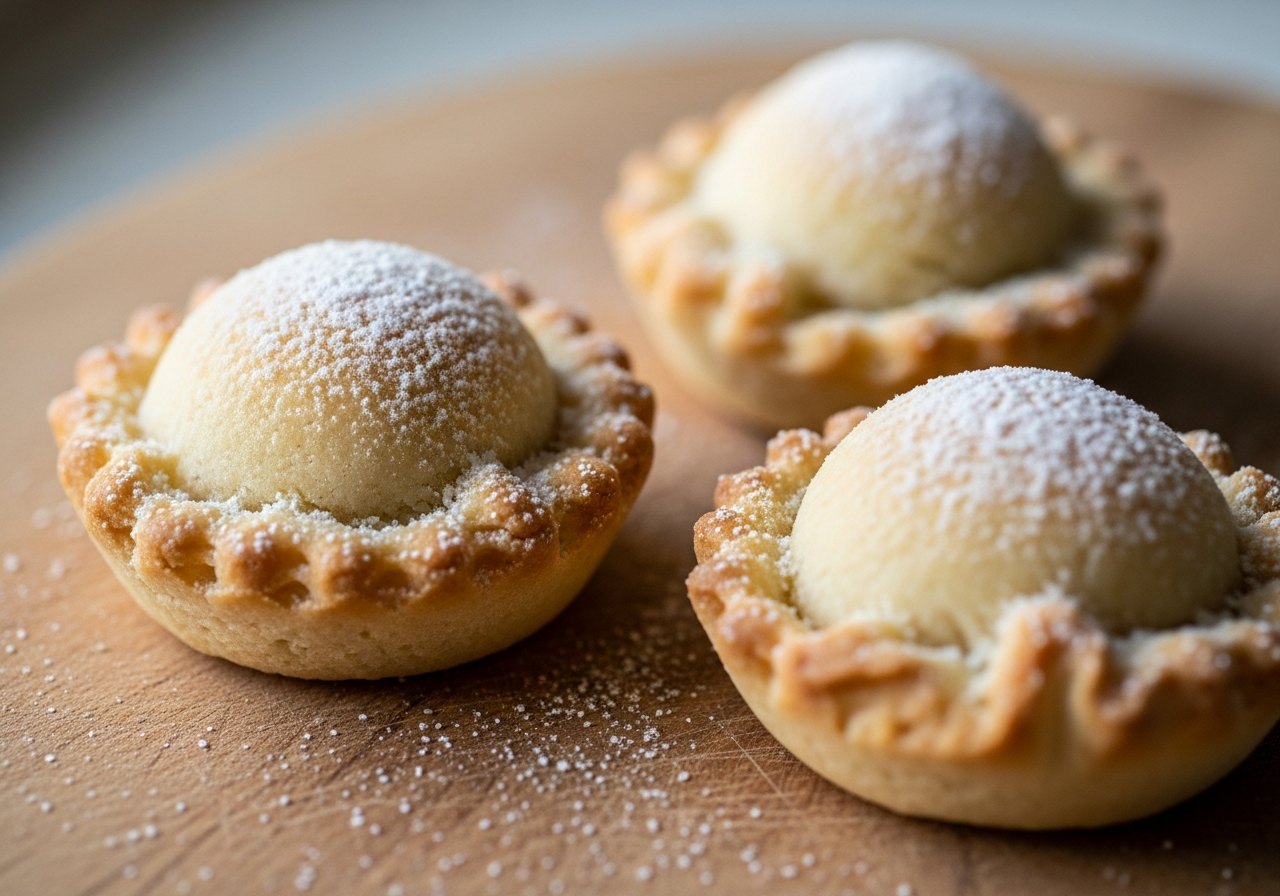
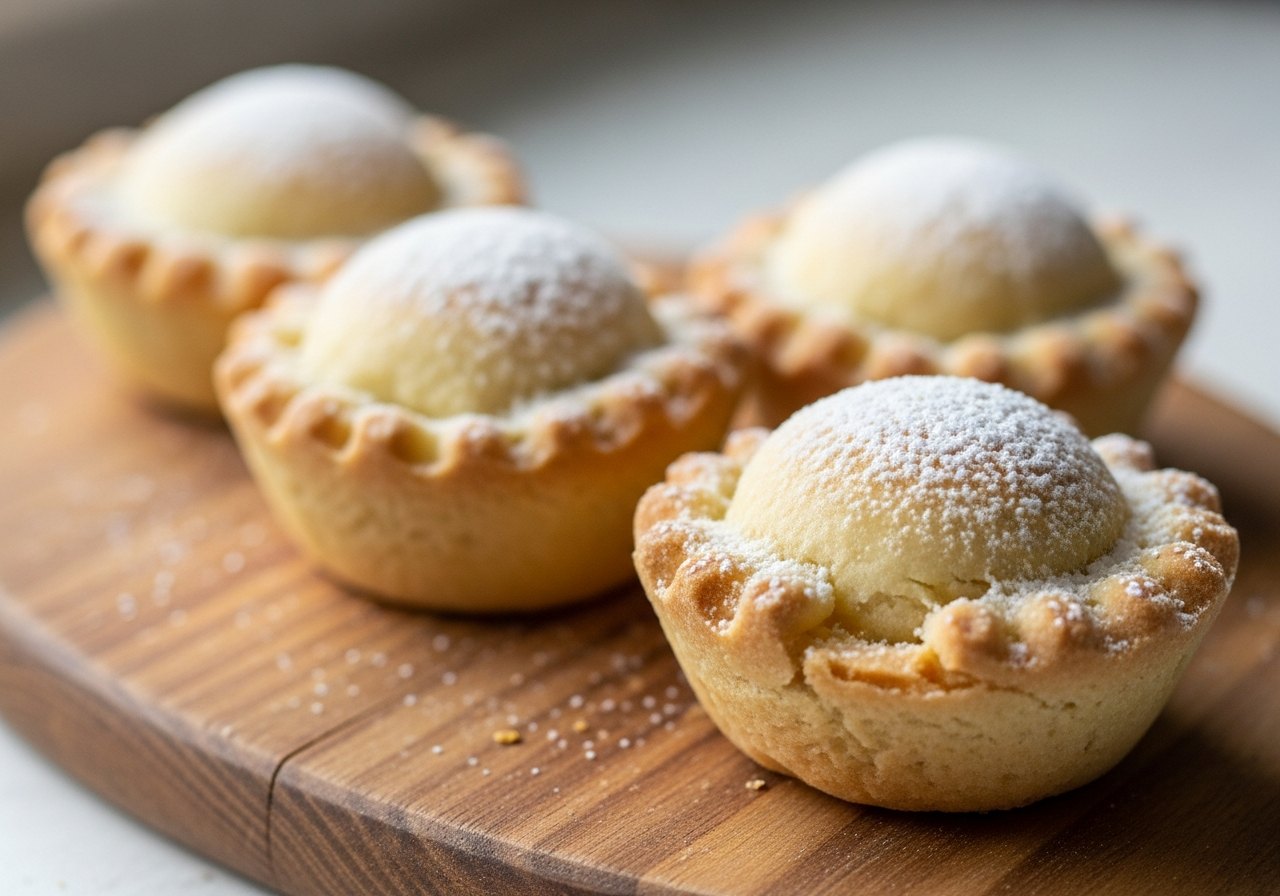
From the sun-kissed regions of Southern Italy, particularly Abruzzo and Puglia, come the enchanting Bocconotti, or 'little mouthfuls'. These cherished individual pastries are a testament to the simplicity and richness of Italian home baking, often passed down through generations. Each bite offers a glimpse into a culinary heritage where quality ingredients and careful preparation yield pure joy.
Traditionally enjoyed during festive occasions or as a comforting treat, Bocconotti embody a rustic elegance. Their delicate shortcrust pastry cradles a generous heart of creamy, aromatic custard, creating a perfect harmony of textures and flavours. They are more than just a dessert; they are a warm embrace, a sweet memory, and a true taste of Italy's passionate kitchen.
The Art of Pasticceria: Mastering Shortcrust Pastry
The foundation of a perfect Bocconotto lies in its 'pasta frolla', the Italian shortcrust pastry. Achieving the right balance is crucial; it needs to be tender and crumbly enough to melt in your mouth, yet sturdy enough to hold the rich custard filling without collapsing during baking. A good pasta frolla is subtly sweet and fragrant, often with a hint of lemon zest to complement the filling.
When working with pasta frolla, remember that patience is a virtue. Avoid overworking the dough, as this can develop the gluten and result in a tough pastry. Keeping all your ingredients cold, especially the butter, will ensure a flaky and tender crust. A brief chilling period after mixing also helps the dough relax, making it easier to roll and preventing shrinkage in the oven.
The Soul of the Tart: Lemon Custard Filling
At the heart of every Bocconotto is its 'crema pasticcera', a classic Italian custard that is both velvety and intensely flavourful. This custard is a staple in Italian patisserie, known for its smooth texture and ability to carry various aromas. For Bocconotti, a lemon-infused custard is traditional, providing a bright counterpoint to the buttery pastry.
The secret to a luscious custard is gentle, continuous stirring over a moderate heat to prevent scorching and lumps. The zest of fresh lemons provides a vibrant, natural fragrance that elevates the entire tart, while a touch of vanilla adds warmth and depth. Allow the custard to cool completely before filling the pastry cases; this ensures it sets beautifully and prevents the pastry from becoming soggy.
The Soul of the Tart: Lemon Custard Filling
At the heart of every Bocconotto is its 'crema pasticcera', a classic Italian custard that is both velvety and intensely flavourful. This custard is a staple in Italian patisserie, known for its smooth texture and ability to carry various aromas. For Bocconotti, a lemon-infused custard is traditional, providing a bright counterpoint to the buttery pastry.
The secret to a luscious custard is gentle, continuous stirring over a moderate heat to prevent scorching and lumps. The zest of fresh lemons provides a vibrant, natural fragrance that elevates the entire tart, while a touch of vanilla adds warmth and depth. Allow the custard to cool completely before filling the pastry cases; this ensures it sets beautifully and prevents the pastry from becoming soggy.
The Art of Pasticceria: Mastering Shortcrust Pastry
The foundation of a perfect Bocconotto lies in its 'pasta frolla', the Italian shortcrust pastry. Achieving the right balance is crucial; it needs to be tender and crumbly enough to melt in your mouth, yet sturdy enough to hold the rich custard filling without collapsing during baking. A good pasta frolla is subtly sweet and fragrant, often with a hint of lemon zest to complement the filling.
When working with pasta frolla, remember that patience is a virtue. Avoid overworking the dough, as this can develop the gluten, resulting in a tough pastry. Keeping all your ingredients cold, especially the butter, will ensure a flaky and tender crust. A brief chilling period after mixing also helps the dough relax, making it easier to roll and preventing shrinkage in the oven.
Nonna's tip
A common issue is the pastry shrinking during baking. Ensure your pasta frolla is well-chilled before rolling and shaping, as this helps prevent shrinkage. Press it firmly into the moulds and trim excess carefully for neat edges.