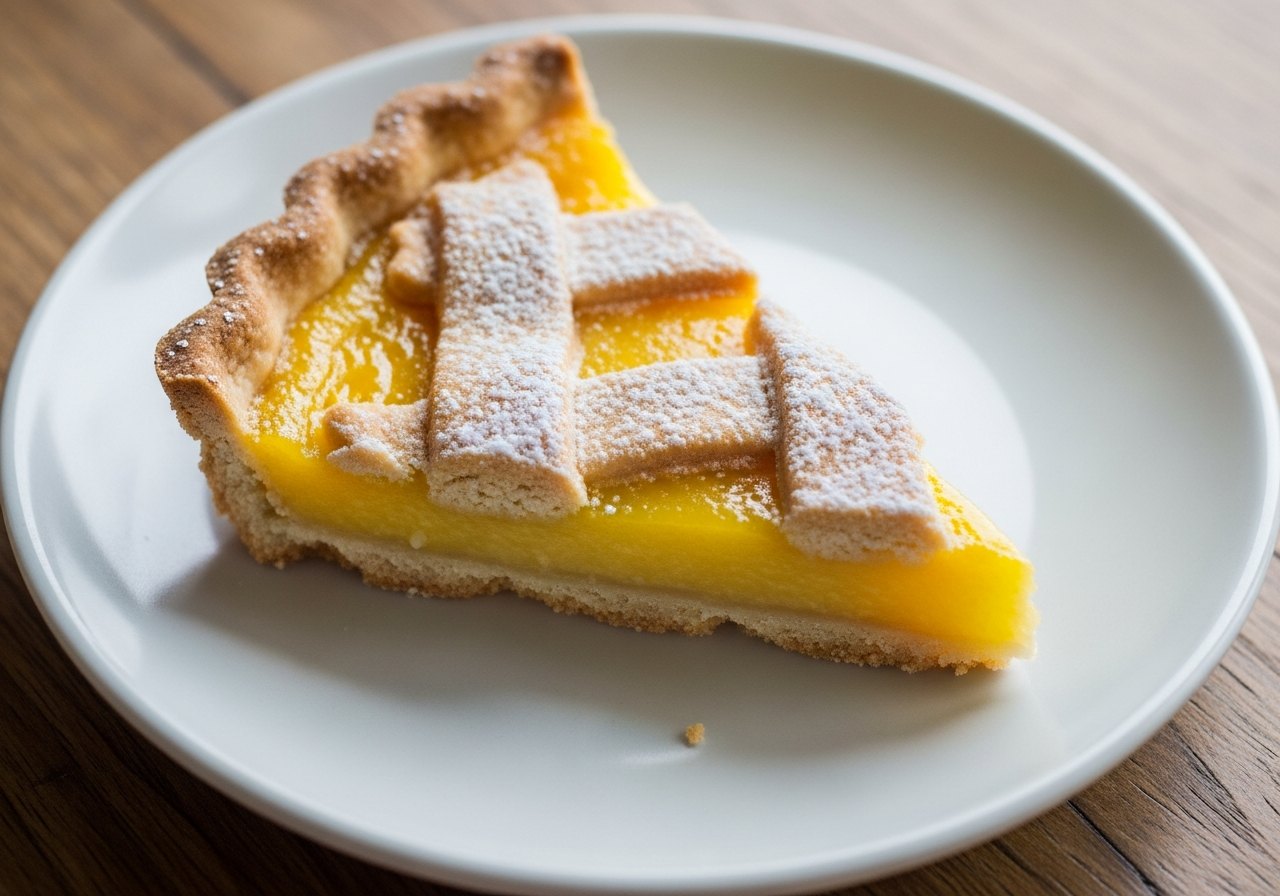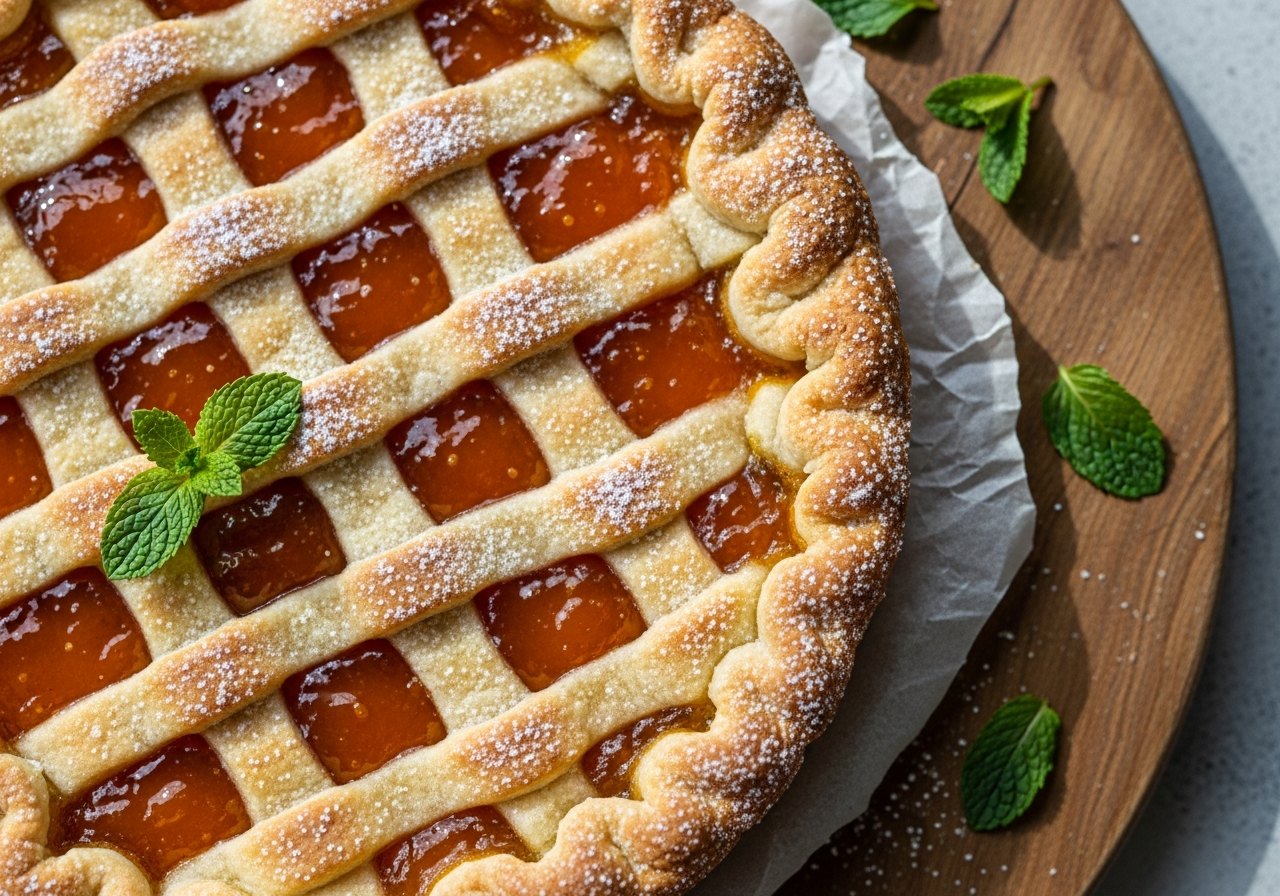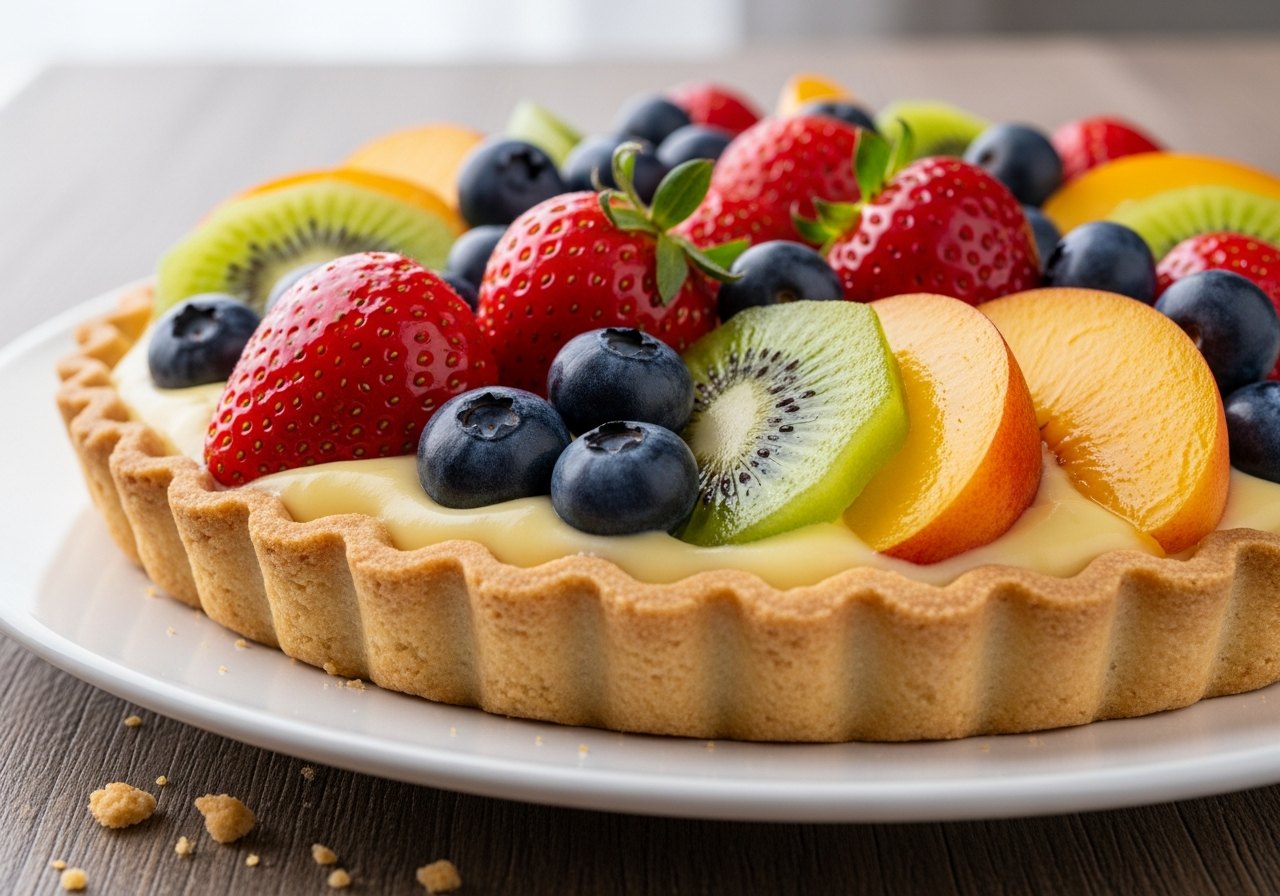
Ah, the Crostata di Frutta! This is more than just a dessert; it's a beloved symbol of Italian hospitality and the joy of simple, fresh ingredients. Growing up in Italy, no Sunday lunch or special celebration was complete without my Nonna's fruit tart, its vibrant colours promising a taste of sunshine. It's a recipe passed down through generations, each family adding its unique touch, yet always retaining that unmistakable charm.
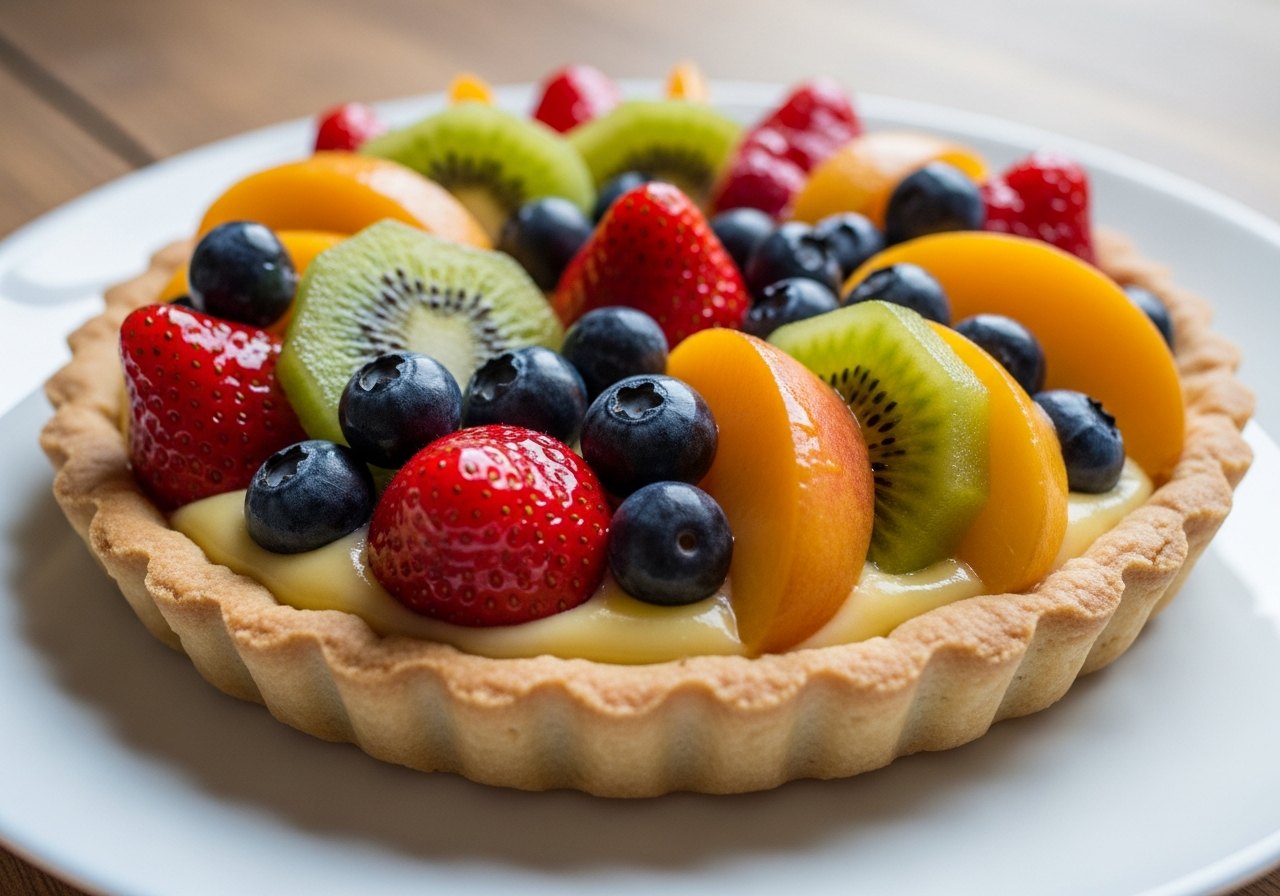
The beauty of the Crostata di Frutta lies in its elegant simplicity and the harmonious balance of textures and flavours. A delicate, buttery shortcrust pastry (pâté sucrée) forms the perfect base, cradling a luscious, vanilla-infused crème pâtissière. The crowning glory is, of course, a generous layer of fresh, seasonal fruits, glistening under a subtle apricot glaze. It's a dessert that speaks of summer, but truly can be enjoyed year-round with whatever fresh produce is available.
Crafting the Perfect Pâté Sucrée
The foundation of any great crostata is a perfectly executed sweet shortcrust pastry, or pâté sucrée. The key to its tender, crumbly texture is to work with cold butter and avoid overworking the dough. When mixing, you want to bring the ingredients together just until they form a cohesive ball, as excessive kneading will develop the gluten, resulting in a tough crust.
Allowing the pastry to chill properly, ideally for at least an hour, is crucial. This resting period lets the gluten relax and solidifies the butter, making the dough easier to roll out and preventing shrinkage during baking. Blind baking the crust ensures it's perfectly crisp and golden, ready to hold the creamy filling without becoming soggy.
Crème Pâtissière: The Heart of the Tart
The silky, rich crème pâtissière is the soul of our Crostata di Frutta. This classic French-inspired custard, often used in Italian pastries, requires a gentle hand and constant attention. Using good quality egg yolks and a fragrant vanilla bean or paste will elevate the flavour profile significantly. The addition of a hint of lemon zest adds a bright, zesty counterpoint to the richness.
When cooking the cream, stir continuously to prevent lumps and ensure even thickening. It’s important to cook it long enough for the cornflour to fully activate and thicken the custard, but not so long that it scorches. Once cooked, spread it on a shallow tray, cover with cling film directly on the surface to prevent a skin from forming, and chill thoroughly. A cold cream is essential for a stable and delicious tart.
Ingredients for the Crostata di Frutta
The foundation of any great crostata is a perfectly executed sweet shortcrust pastry, or pâté sucrée. The key to its tender, crumbly texture is to work with cold butter and avoid overworking the dough. When mixing, you want to bring the ingredients together just until they form a cohesive ball, as excessive kneading will develop the gluten, resulting in a tough crust.
Allowing the pastry to chill properly, ideally for at least an hour, is crucial. This resting period lets the gluten relax and solidifies the butter, making the dough easier to roll out and preventing shrinkage during baking. Blind baking the crust ensures it's perfectly crisp and golden, ready to hold the creamy filling without becoming soggy.
Crème Pâtissière: The Heart of the Tart
The silky, rich crème pâtissière is the soul of our Crostata di Frutta. This classic French-inspired custard, often used in Italian pastries, requires a gentle hand and constant attention. Using good quality egg yolks and a fragrant vanilla bean or paste will elevate the flavour profile significantly. The addition of a hint of lemon zest adds a bright, zesty counterpoint to the richness.
When cooking the cream, stir continuously to prevent lumps and ensure even thickening. It’s important to cook it long enough for the cornflour to fully activate and thicken the custard, but not so long that it scorches. Once cooked, spread it on a shallow tray, cover with cling film directly on the surface to prevent a skin from forming, and chill thoroughly. A cold cream is essential for a stable and delicious tart.
Nonna's tip
To prevent a soggy bottom, lightly brush your blind-baked pastry shell with a thin layer of melted white chocolate before adding the cream. This creates a barrier that keeps the crust wonderfully crisp.