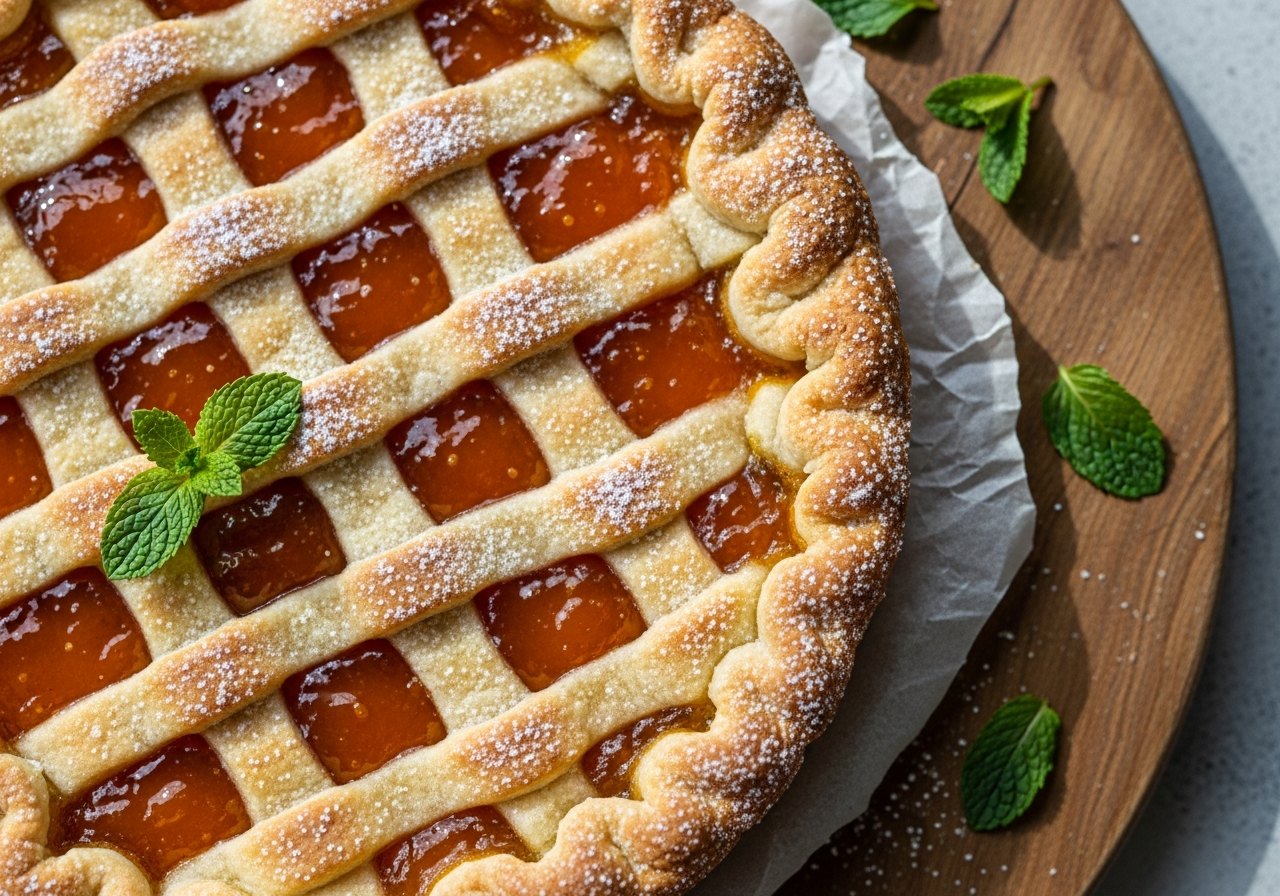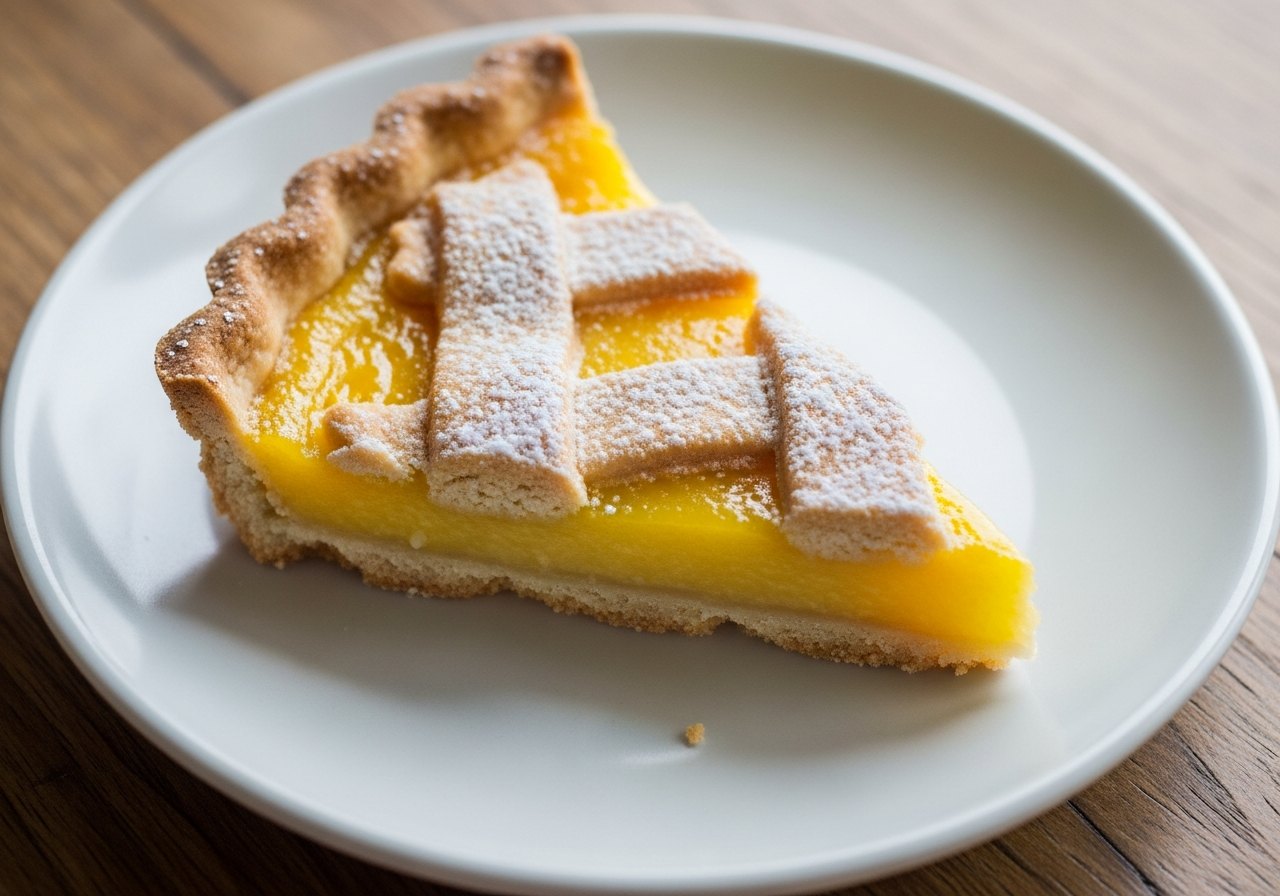
Ah, the Crostata di Limone! For me, it's more than just a dessert; it's a cherished memory of my nonna's kitchen, filled with the intoxicating aroma of freshly baked pastry and bright, zesty lemons. This humble yet elegant tart embodies the simplicity and sophistication of Italian baking, a true testament to how a few quality ingredients can create pure magic. It's a taste of the Mediterranean sunshine, even on the cloudiest of days.
What truly sets our Crostata di Limone apart is the exquisite balance: a delicate, crumbly pasta frolla (sweet shortcrust pastry) providing the perfect textural contrast to the silky, intensely flavourful lemon cream. Unlike some overly sweet versions, this recipe highlights the natural tartness of the lemons, creating a refreshing and invigorating dessert that cleanses the palate beautifully. It’s a timeless classic, perfected over generations, and I am thrilled to share its authentic charm with you.
The Art of Pasta Frolla
The foundation of any great crostata is an impeccable pasta frolla, or sweet shortcrust pastry. Achieving that perfect crisp yet tender texture requires a light touch and attention to detail. We're looking for a pastry that holds its shape beautifully but practically melts in your mouth, providing a delightful counterpoint to the vibrant lemon filling. The key is to work quickly, preventing the butter from becoming too warm, which can lead to a tough crust.
Using cold butter, cut into small cubes, and incorporating it into the flour until it resembles fine breadcrumbs is crucial. This method ensures pockets of butter remain, creating that signature flakiness. Resting the dough in the refrigerator allows the gluten to relax and the butter to firm up, making it easier to roll and preventing shrinkage during baking. Trust me, a well-made pasta frolla elevates this tart from good to truly extraordinary.
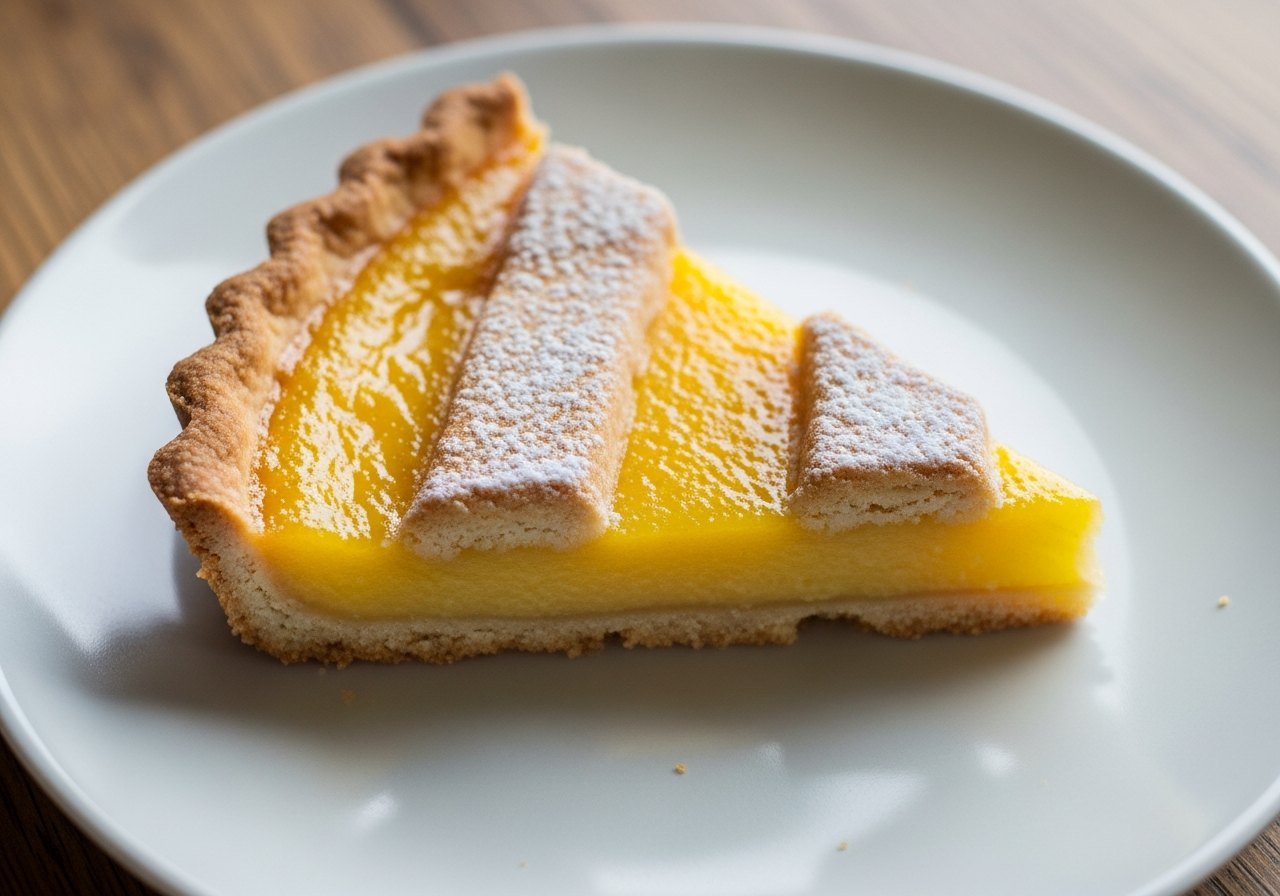
The Zest for Lemon Cream
The lemon cream filling is the heart of our Crostata di Limone, a velvety smooth delight bursting with bright, tangy flavour. We use both the zest and the juice of fresh, unwaxed lemons to achieve maximum citrus impact. The zest contains essential oils that provide a deep, aromatic lemon essence, while the juice delivers the characteristic tanginess. Balance is key here, ensuring the tartness is invigorating without being overwhelming, and the sweetness is just enough to complement.
Careful cooking of the cream is vital to achieve that luscious, thick consistency. Stirring continuously over a low heat prevents scorching and ensures the eggs gently thicken the mixture without scrambling. Once cooked, straining the cream removes any bits of zest or cooked egg, resulting in an impeccably smooth and luxurious texture. This attention to detail transforms simple ingredients into a truly memorable filling.
Nonna's tip
For extra lemon flavour, rub the lemon zest into the sugar with your fingertips before adding it to the butter and flour mixture for the pastry. This releases the essential oils, infusing the dough with a more intense citrus aroma.