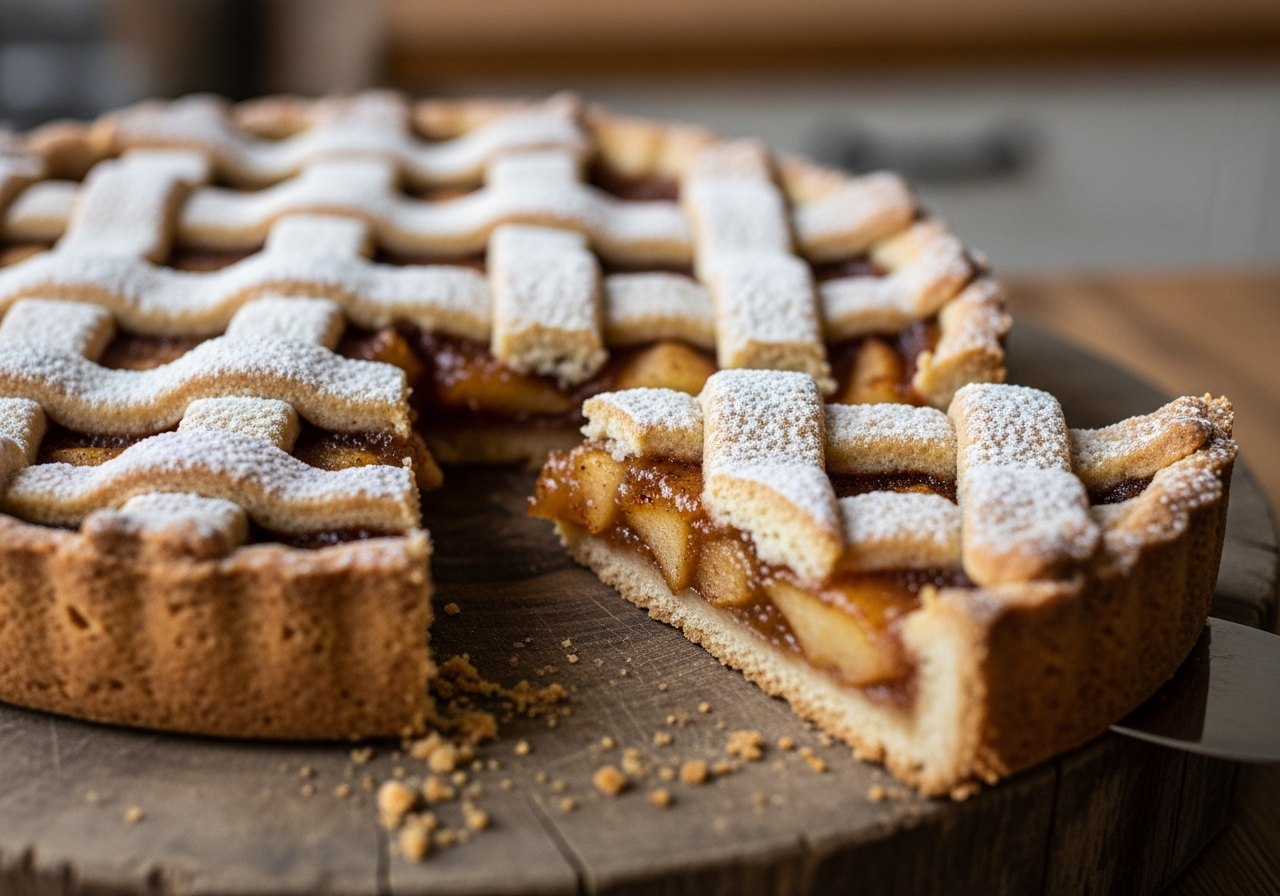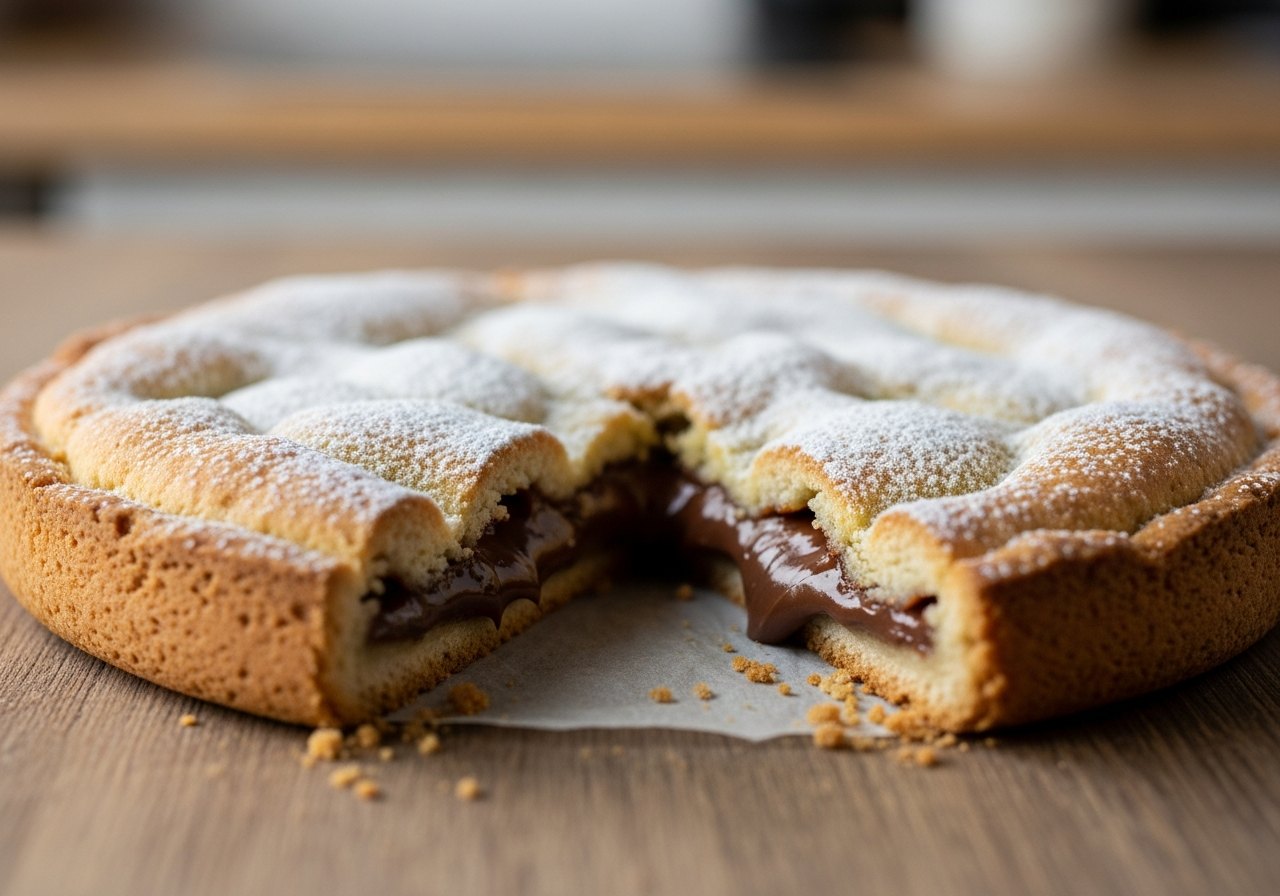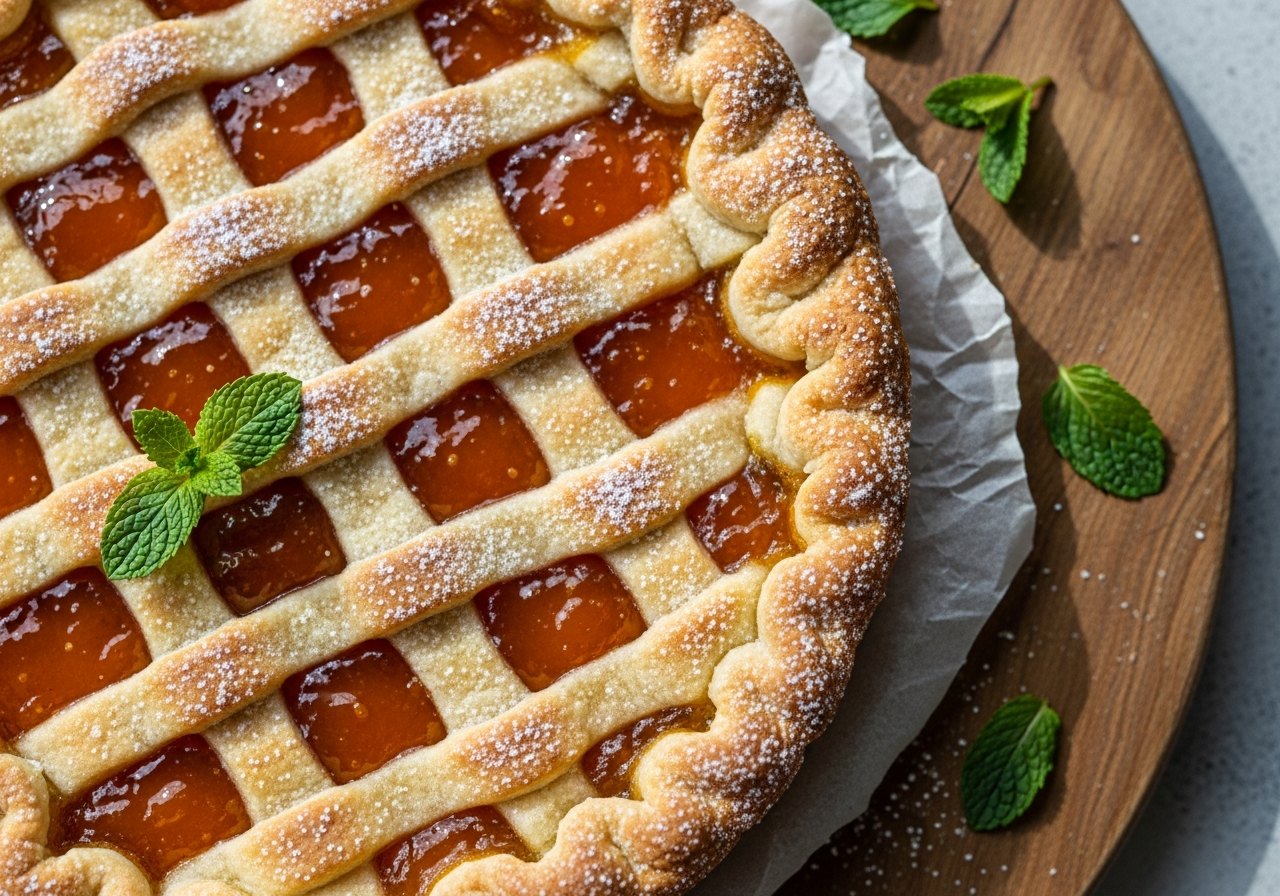
Ah, the Crostata di Marmellata! For me, it embodies the very soul of Italian home baking. It's not just a tart; it's a hug from Nonna, a comforting memory of childhood afternoons, and the simple perfection of a few humble ingredients transformed into something truly magical. Its beauty lies in its unpretentious charm, a testament to the fact that the most beloved desserts are often the most straightforward.
The secret, if there is one, lies in the quality of your pasta frolla – the sweet shortcrust pastry – and, of course, a truly delicious jam. While often enjoyed for colazione (breakfast) or as a delightful merenda (afternoon snack), a slice of crostata is welcome at any time of day. It’s a versatile canvas for any fruit jam you adore, though traditional choices often lean towards apricot or sour cherry for that authentic Italian flavour.
The Art of Pasta Frolla
The foundation of any great crostata is its pasta frolla, the sweet shortcrust pastry that gives the tart its characteristic crumbly yet tender texture. Unlike other pastry types, pasta frolla is meant to be handled minimally and kept cool, ensuring the butter remains solid until baking, which creates pockets of steam for that desired delicate bite. Its simple composition of flour, sugar, butter, and egg is a testament to Italian culinary wisdom.
To achieve the perfect pasta frolla, the key is not to overwork the dough. We gently 'sable' the butter into the flour first, creating a sand-like texture, which coats the flour particles and inhibits gluten development. This step is crucial for tenderness. Once the wet ingredients are added, mix just until a cohesive dough forms, then chill it thoroughly. This resting period allows the gluten to relax and the butter to firm up, making the dough much easier to roll and preventing shrinkage during baking.
Choosing Your Marmellata
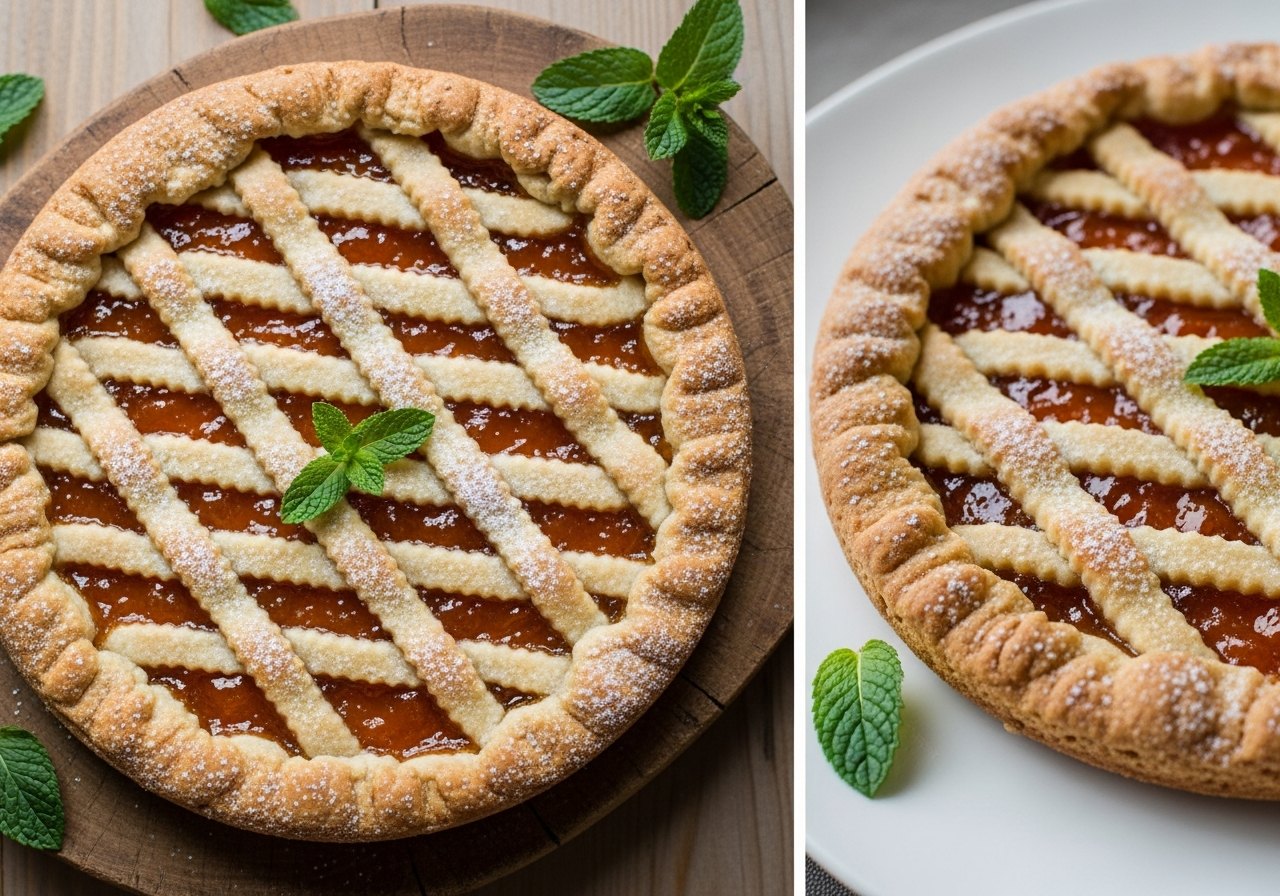
The choice of jam, or 'marmellata', is just as critical as the pastry itself. In Italy, apricot (albicocca) and sour cherry (amarena) are classic fillings, offering a delightful balance of sweetness and a slight tartness that beautifully complements the rich pastry. Other popular options include fig, berry, or plum. The quality of your jam will significantly impact the final taste, so opt for a good quality preserve with a high fruit content.
When selecting your jam, consider its consistency. A jam that is too runny might bubble over during baking, while one that is too thick could become overly firm. If your jam is very thick, you might gently warm it slightly to make it more spreadable. Conversely, if it seems too liquid, you can stir in a spoonful of cornflour before spreading, though a good quality jam typically has the ideal texture straight from the jar for a crostata.
The Art of Pasta Frolla
The foundation of any great crostata is its pasta frolla, the sweet shortcrust pastry that gives the tart its characteristic crumbly yet tender texture. Unlike other pastry types, pasta frolla is meant to be handled minimally and kept cool, ensuring the butter remains solid until baking, which creates pockets of steam for that desired delicate bite. Its simple composition of flour, sugar, butter, and egg is a testament to Italian culinary wisdom.
To achieve the perfect pasta frolla, the key is not to overwork the dough. We gently 'sable' the butter into the flour first, creating a sand-like texture, which coats the flour particles and inhibits gluten development. This step is crucial for tenderness. Once the wet ingredients are added, mix just until a cohesive dough forms, then chill it thoroughly. This resting period allows the gluten to relax and the butter to firm up, making the dough much easier to roll and preventing shrinkage during baking.
Choosing Your Marmellata
The choice of jam, or 'marmellata', is just as critical as the pastry itself. In Italy, apricot (albicocca) and sour cherry (amarena) are classic fillings, offering a delightful balance of sweetness and a slight tartness that beautifully complements the rich pastry. Other popular options include fig, berry, or plum. The quality of your jam will significantly impact the final taste, so opt for a good quality preserve with a high fruit content.
When selecting your jam, consider its consistency. A jam that is too runny might bubble over during baking, while one that is too thick could become overly firm. If your jam is very thick, you might gently warm it slightly to make it more spreadable. Conversely, if it seems too liquid, you can stir in a spoonful of cornflour before spreading, though a good quality jam typically has the ideal texture straight from the jar for a crostata.
Nonna's tip
To achieve the perfect tender pastry, avoid overworking the dough; mix until just combined. Ensure the dough is well-chilled before rolling for easier handling and a flakier result.