Cheesecakes & Tarts

Crostata di Nutella

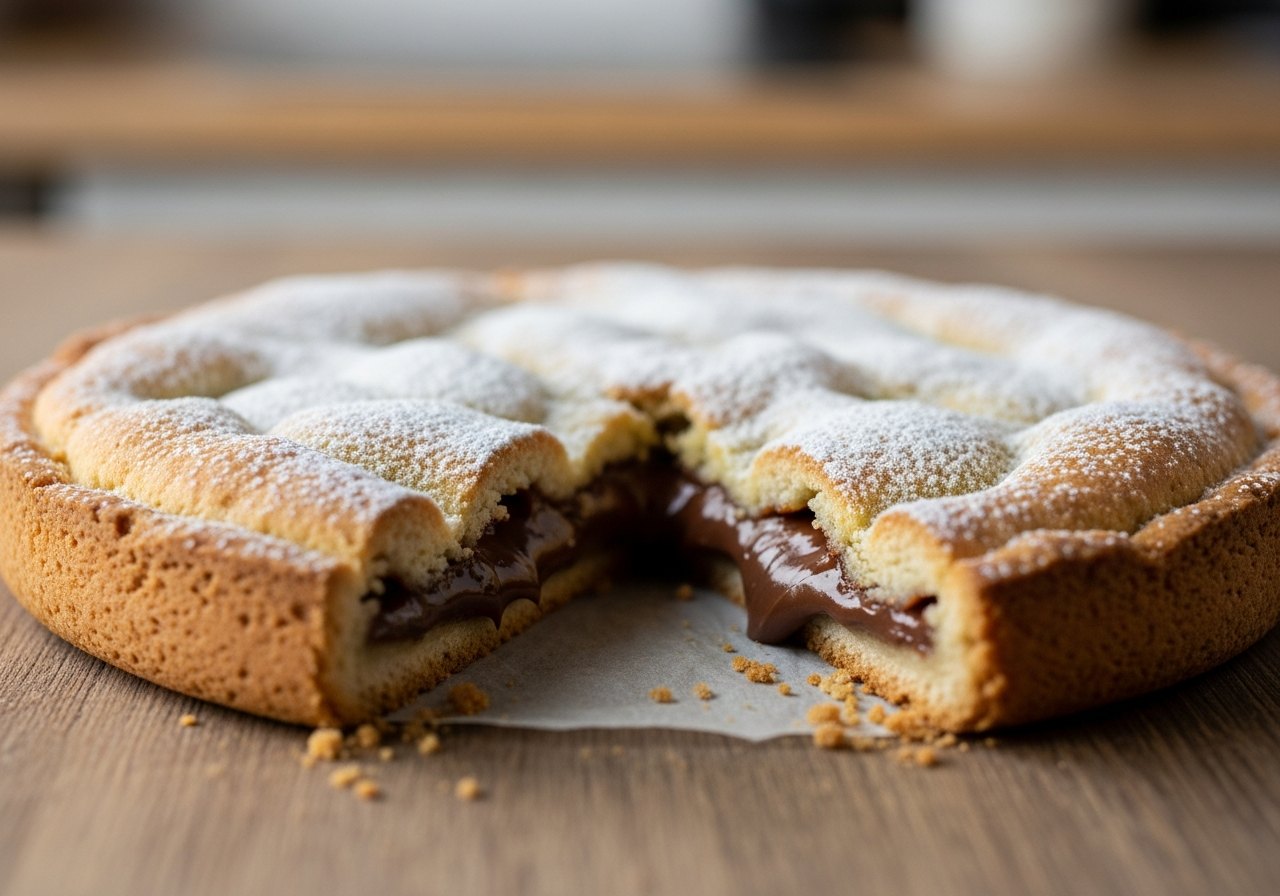
Indulge in this classic Italian tart, marrying a tender shortcrust with a rich, creamy Nutella filling.

Crostata di Nutella
Crostata di Nutella — made and photographed at home.

Ciao a tutti, fellow baking enthusiasts! As your guide from Torta Magica, I'm thrilled to share a recipe that holds a special place in the heart of Italian cuisine: the Crostata di Nutella. This delightful tart is a staple in Italian homes, often found gracing breakfast tables, afternoon tea spreads, or as a comforting dessert after a family meal. It's a simple yet incredibly satisfying treat that truly embodies the warmth and generosity of Italian cooking.

Our version celebrates the traditional "pasta frolla" – a sweet, crumbly shortcrust pastry – paired with the universally adored hazelnut spread. The beauty of this crostata lies in its straightforward preparation and the irresistible combination of textures: the crisp, buttery crust giving way to a smooth, decadent Nutella centre. It's a recipe designed to bring a piece of Italian comfort directly to your kitchen, without any fuss or complication.

The Art of Pasta Frolla

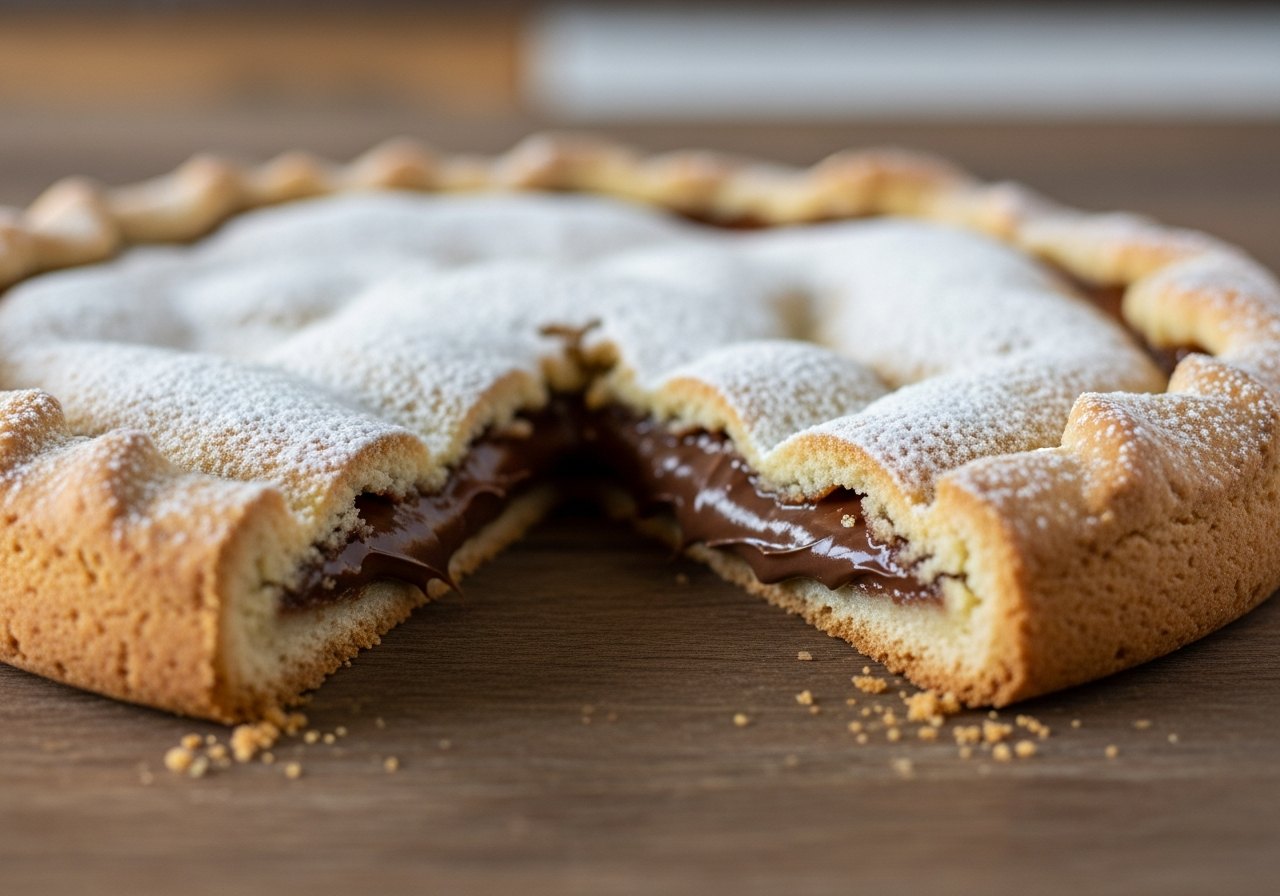
At the heart of any great crostata is an exceptional pasta frolla. This sweet shortcrust pastry is the foundation of many Italian desserts, and mastering it is key to a truly authentic experience. The secret lies in using cold butter and handling the dough as little as possible to prevent gluten from developing, which would result in a tough crust. The goal is a delicate, crumbly texture that melts in your mouth.

When making pasta frolla, a food processor can be your best friend for quickly combining the ingredients without overworking the dough. However, a traditional method involves using your fingertips to rub the butter into the flour until it resembles fine breadcrumbs, then adding the egg until just combined. Whichever method you choose, remember that a good chill time for the dough is crucial for easy handling and a perfectly tender crust.
The Art of Pasta Frolla

Nutella: A Global Phenomenon

While pasta frolla has centuries of history, its perfect partner in this crostata, Nutella, is a more recent, yet equally iconic, Italian invention. Born in Piedmont, Italy, in the 1940s, this chocolate-hazelnut spread quickly captured the hearts of people worldwide. Its creamy texture and rich flavour make it an ideal filling for crostatas, offering a delightful contrast to the crisp pastry.

Using Nutella as the filling simplifies the crostata-making process immensely, as it requires no cooking or elaborate preparation. Its inherent sweetness and hazelnut notes provide a deeply satisfying centre that appeals to all ages. For this recipe, don't be shy with the filling; a generous layer ensures every bite is a luxurious experience.

Chef's Tip

To achieve a truly tender pasta frolla, ensure your butter is very cold and work quickly when combining the ingredients. Overworking the dough will develop the gluten, resulting in a tough, chewy crust rather than a delicate, crumbly one.
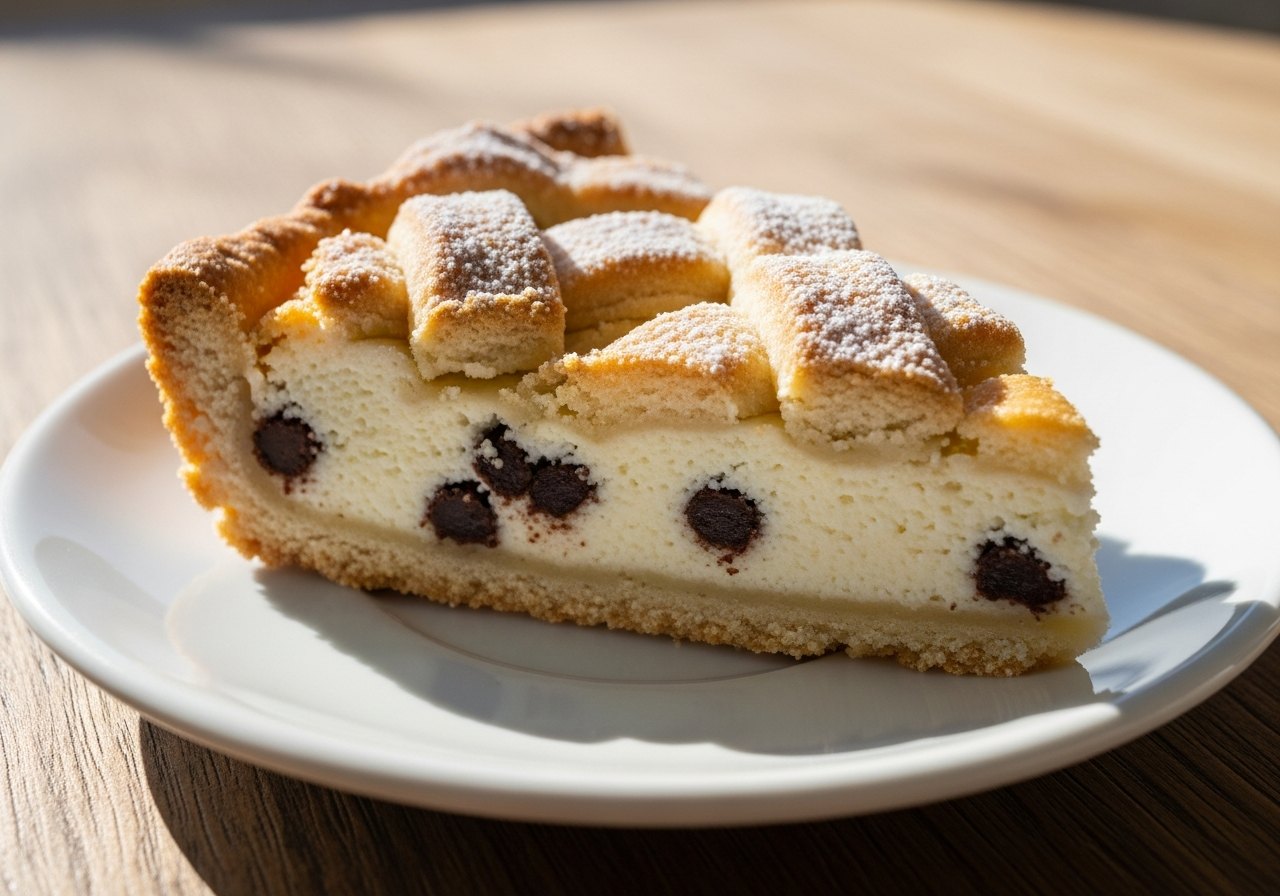
Always chill your dough for at least 30 minutes before rolling; this relaxes the gluten and makes it much easier to handle and less likely to shrink during baking.

Nonna's tip

To achieve a truly tender pasta frolla, ensure your butter is very cold and work quickly when combining the ingredients. Overworking the dough will develop the gluten, resulting in a tough, chewy crust rather than a delicate, crumbly one.

Recipe Card

Crostata di Nutella

This traditional Italian Crostata di Nutella features a crisp, buttery pasta frolla crust embracing a decadent, smooth Nutella centre.

Prep
20 min
Cook
30 min
Chill
30 min
Total
50 min
Serves
8
Level
Easy
Ingredients
  • 300g (2 1/2 cups) plain flour, plus extra for dusting
  • 120g (1/2 cup + 2 tbsp) caster sugar
  • 150g (10 tbsp) cold unsalted butter, cubed
  • 1 large egg
  • Zest of 1/2 lemon
  • Pinch of salt
  • 400g (1 1/2 cups) Nutella
  • 1 egg yolk, whisked with 1 tbsp milk (for egg wash)
  • Icing sugar, for dusting (optional)
Method
  1. In a large bowl or food processor, combine the plain flour, caster sugar, lemon zest, and a pinch of salt. Add the cold cubed butter and mix until the mixture resembles fine breadcrumbs.

  2. Incorporate the large egg and mix until a dough forms; avoid overworking. Shape the dough into a disc, wrap it tightly in cling film, and chill in the refrigerator for at least 30 minutes.

  3. Preheat your oven to 180°C (160°C fan/Gas 4). On a lightly floured surface, roll out two-thirds of the chilled dough to a 3-4mm thickness, large enough to line a 24cm fluted tart tin.

  4. Carefully transfer the rolled dough into the tart tin, pressing it gently into the base and sides. Trim any excess dough from the edges.

  5. Spread the Nutella evenly over the pastry base, ensuring a generous and smooth layer.

  6. Roll out the remaining dough and cut it into strips, approximately 1-1.5cm wide. Arrange these strips in a lattice pattern over the Nutella filling, then trim the ends and gently press them to the edge of the base pastry.

  7. Whisk the egg yolk with a tablespoon of milk and gently brush the lattice strips with this egg wash for a beautiful golden finish.

  8. Bake for 25-30 minutes, or until the pastry is golden brown. If the edges begin to brown too quickly, you may cover them loosely with foil.

  9. Allow the crostata to cool completely in the tin on a wire rack before serving. Dust with icing sugar if desired.

Nutrition (per serving)
450
Calories
28 g
Fat
45 g
Carbs
8 g
Protein
30 g
Sugar
Notes
  • Store any leftover crostata at room temperature in an airtight container for up to 3 days to maintain its freshness and texture.
  • Serve slices plain for a traditional treat, or elevate it with a dollop of fresh cream or a scoop of vanilla gelato for an extra indulgent experience.
Good to know

Frequently asked

Why is my pasta frolla tough after baking?

Overworking the dough is the most common reason for a tough pastry. This develops the gluten too much. Mix only until the ingredients are just combined and the dough comes together, then chill thoroughly before rolling.

Can I use a different chocolate spread or jam for the filling?

While Nutella is the traditional choice for this crostata, you can certainly experiment! Other chocolate-hazelnut spreads or a rich fruit jam, such as apricot or cherry, would also make a delicious filling.

How do I prevent the Nutella from burning or drying out during baking?

The Nutella is already cooked, so you are primarily baking the pastry. Ensure your oven temperature is accurate and avoid overbaking. If you notice the Nutella or lattice browning too quickly, you can loosely tent the crostata with foil for the last 10 minutes of baking.