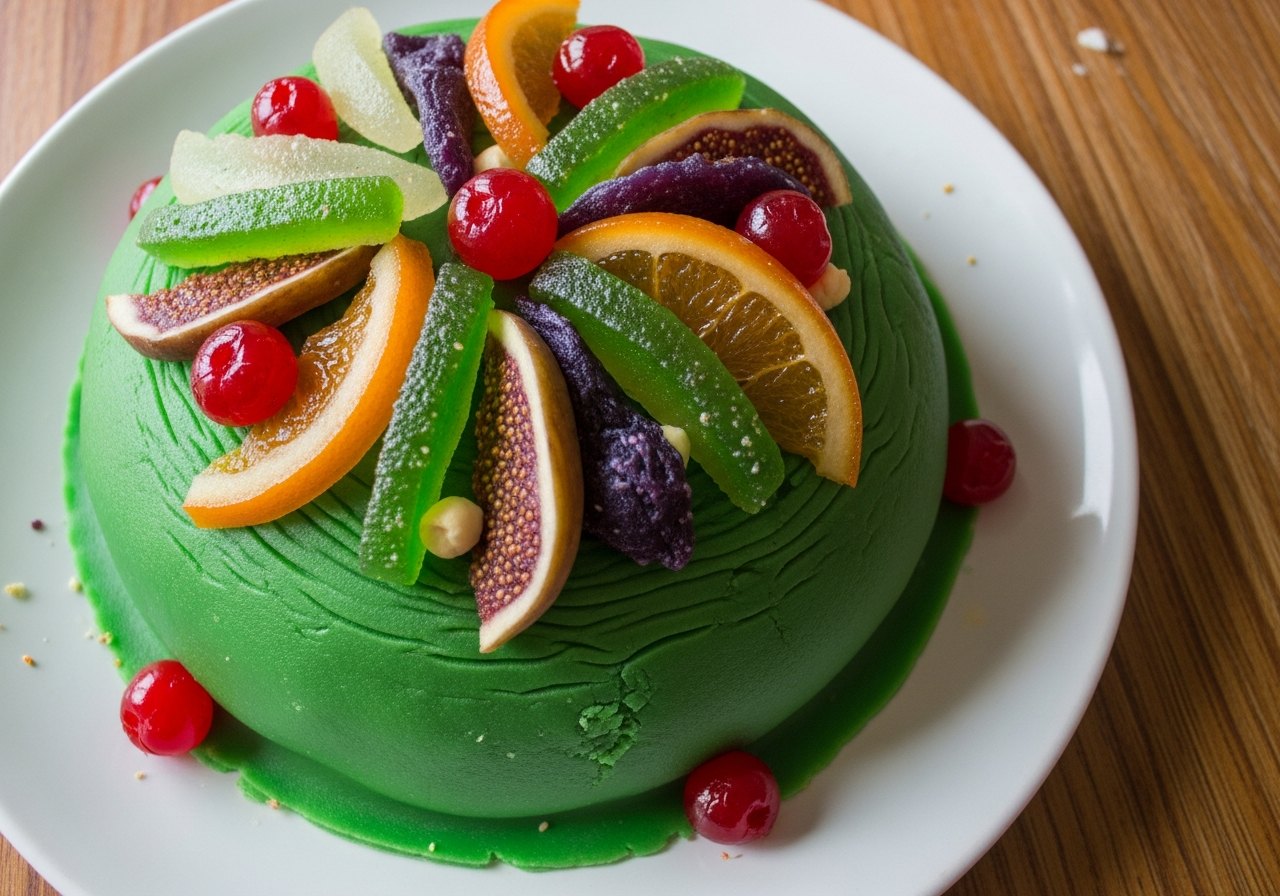
From the sun-drenched island of Sicily comes a dessert that is as rich in history as it is in flavour: the magnificent Cassata Siciliana. This iconic cake, a true symbol of Sicilian pastry, is often seen gracing tables during festive occasions like Easter. Its origins are steeped in the island's diverse cultural tapestry, with Arab influences evident in its use of ricotta, sugar, and candied fruits.
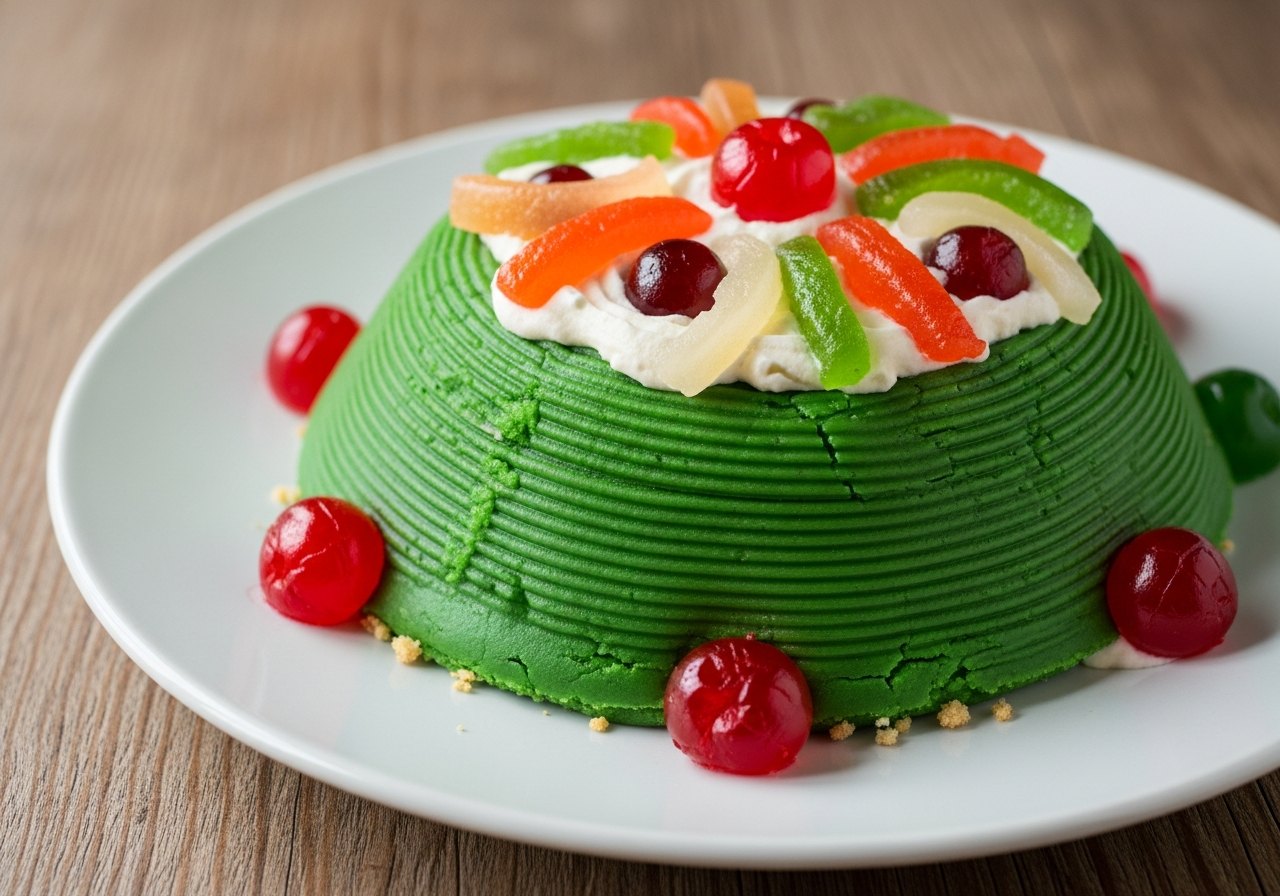
Cassata is a feast for both the eyes and the palate, a delicate balance of textures and tastes. It features a soft, liqueur-soaked sponge cake, a luscious filling of sweetened sheep's milk ricotta studded with chocolate and candied fruit, and a vibrant marzipan casing. The final touch, an elaborate decoration of more candied fruits, makes each slice a miniature work of art and a truly unforgettable experience.
The Art of Ricotta Cream
At the heart of any authentic Cassata Siciliana lies the exquisite ricotta cream. The secret to its unparalleled richness is using fresh, high-quality sheep's milk ricotta, which is naturally sweeter and creamier than cow's milk varieties. It is absolutely crucial to drain the ricotta thoroughly, preferably overnight in a fine-mesh sieve, to remove any excess moisture; this step prevents a watery filling and ensures a perfectly smooth, stable cream.
Once properly drained, the ricotta is gently folded with icing sugar until light and airy. This forms the perfect canvas for the delicious additions that follow. Traditional Cassata calls for a generous mix of dark chocolate chips and finely diced candied fruit, such as citron, orange peel, and pumpkin, which add delightful pops of texture and bursts of sweetness, creating the signature flavour profile.
Sponge and Marzipan Mastery
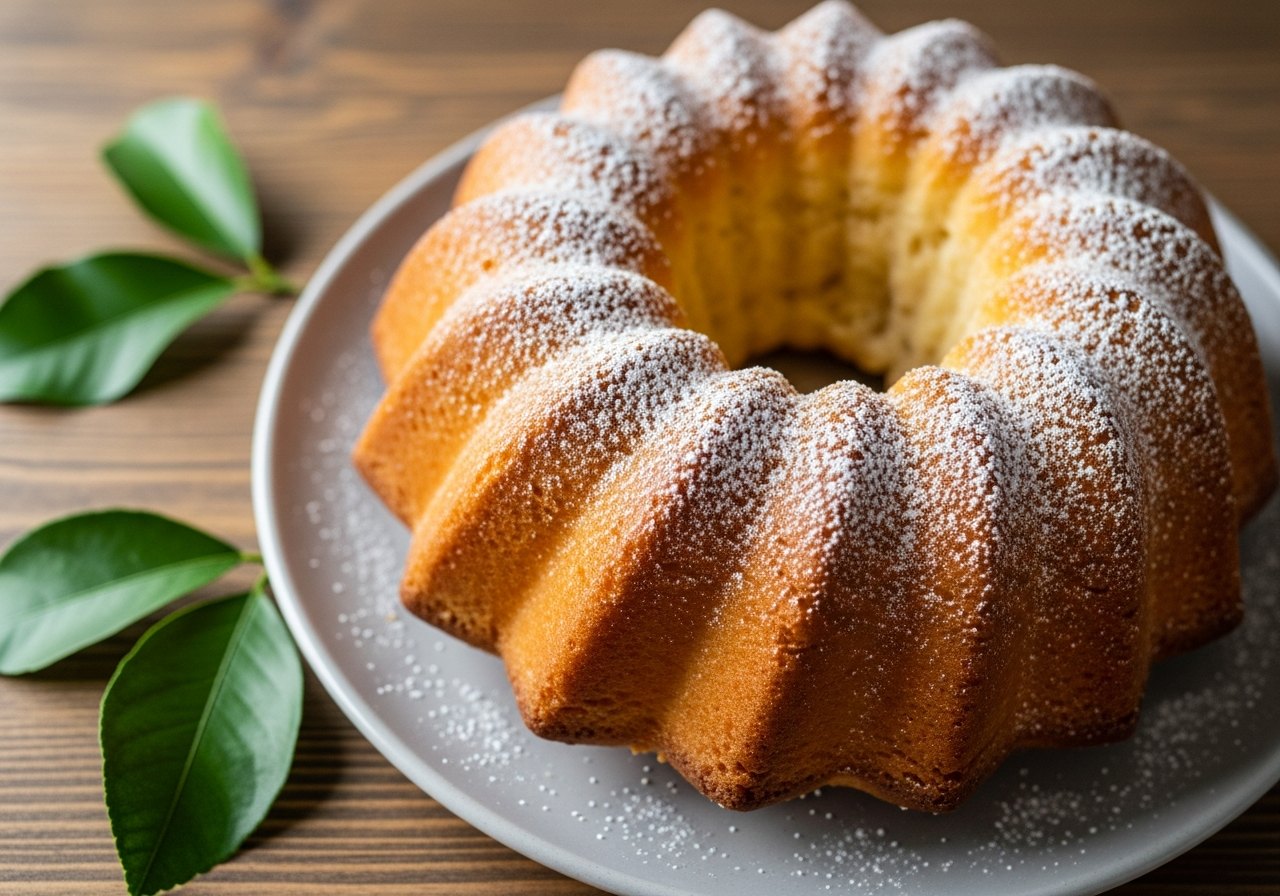
The pan di Spagna, or sponge cake, provides the structural foundation and a tender counterpoint to the rich filling. Its airy texture makes it ideal for soaking up the delicate liqueur syrup, which imparts moisture and a subtle aromatic complexity. Baking the sponge a day in advance allows it to firm up slightly, making it easier to handle and ensuring it absorbs the syrup without becoming soggy.
Equally important is the pasta reale, or marzipan, which forms the beautiful, often emerald-green, outer shell of the Cassata. This sweet almond paste not only adds another layer of distinct flavour and chewiness but also acts as a protective and decorative casing. Mastering the rolling of a thin, even layer of marzipan is key to achieving that classic, elegant look that makes Cassata so visually striking.
A Note on Ingredients
For an truly authentic Cassata Siciliana, the quality of your ingredients is paramount. Seek out fresh sheep's milk ricotta from a reputable Italian deli or specialist cheese shop; its unique flavour and texture cannot be replicated by cow's milk ricotta. The candied fruit should also be of good quality, vibrant in colour and full of flavour, as they are a significant component of both the filling and the decoration.
When it comes to the liqueur, a good quality orange liqueur like Cointreau or Grand Marnier is traditional for the sponge soaking syrup. However, if you prefer a non-alcoholic version, you can substitute it with orange juice or a non-alcoholic fruit syrup. Similarly, for the marzipan, using high-grade almond flour will result in a smoother, more pliable paste, essential for creating that flawless outer layer.
Assembling Your Masterpiece
The assembly of Cassata Siciliana is an art form in itself, requiring patience and a gentle touch. The process begins by lining a round bowl or mould with cling film, then meticulously arranging slices of the liqueur-soaked sponge cake to form the base and sides. This creates the structural integrity that will hold the rich ricotta filling in place once the cake is inverted.
Once the ricotta cream is spooned into the sponge-lined mould and covered with more sponge, the cake is chilled for several hours, allowing the flavours to meld and the structure to set. The final step involves inverting the cake onto a serving plate and carefully enrobing it with the thinly rolled marzipan. The decorative flourish of extra candied fruits and glacé cherries transforms it into the iconic, jewel-like dessert we all adore.
Nonna's tip
Always ensure your ricotta is thoroughly drained, ideally overnight, to prevent a watery filling that could compromise the cake's structure. For ease of handling and best absorption, bake your sponge cake at least a day in advance.