Sponge & Layer Cakes

Castagnaccio (Tuscan Chestnut Cake)

This rustic Tuscan chestnut cake, naturally gluten-free, offers a subtly sweet taste of Italian autumn.

Castagnaccio (Tuscan Chestnut Cake)
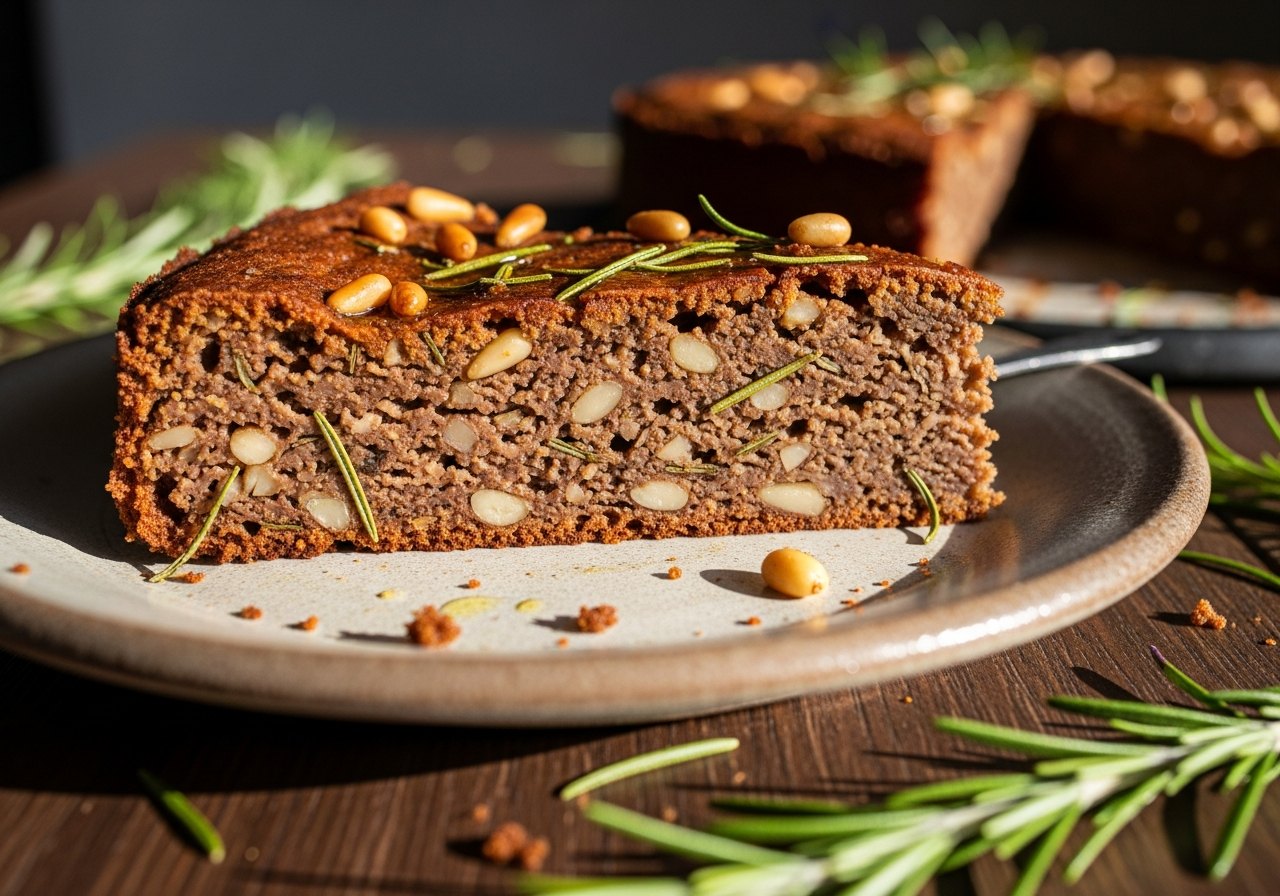
Castagnaccio (Tuscan Chestnut Cake) — made and photographed at home.

From the heart of Tuscany comes Castagnaccio, a humble yet profoundly delicious cake that embodies the spirit of the Italian autumn. Traditionally a 'poor man's dessert,' born from the abundance of chestnut trees in the Apennine mountains, it's a testament to the resourcefulness and culinary wisdom of generations past. This unique cake offers a distinct, earthy sweetness that is both comforting and authentically Italian.

What makes Castagnaccio truly special is its simplicity and reliance on a single, star ingredient: chestnut flour. Naturally gluten-free, dairy-free, and with no added sugar, it's a wholesome treat that stands apart from more elaborate desserts. Its dense, moist texture and aromatic inclusions of pine nuts and rosemary make it a perfect accompaniment to a strong espresso or a sweet wine, celebrating the true flavours of the Tuscan countryside.

The Magic of Chestnut Flour

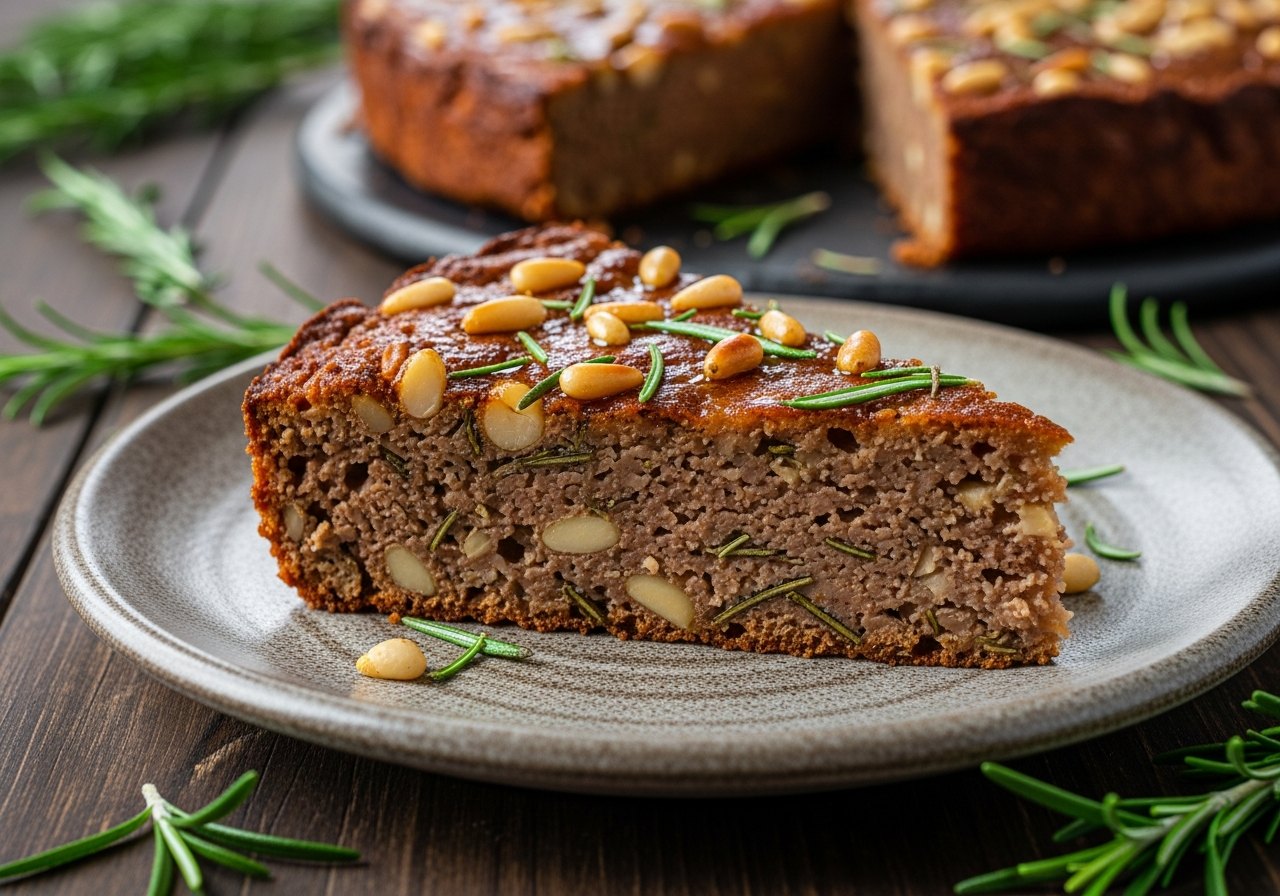
At the heart of Castagnaccio lies 'farina di castagne,' or chestnut flour. This unique flour is made from dried and finely ground chestnuts, a staple food in mountainous regions of Italy for centuries. It naturally possesses a delicate sweetness and a distinctive nutty, earthy flavour that defines the very essence of this cake.

Unlike wheat flour, chestnut flour is naturally gluten-free, which contributes to Castagnaccio's characteristic dense and moist texture rather than a light, airy crumb. It's important to embrace this density; it's a hallmark of the cake, not a flaw. The flour's inherent sweetness means that traditional Castagnaccio requires no additional sugar, allowing the natural flavours to shine.
The Magic of Chestnut Flour

Tuscan Flavours: Pine Nuts and Rosemary

The supporting cast of ingredients in Castagnaccio is just as crucial to its authentic Tuscan character. Pine nuts, known as 'pinoli' in Italian, provide a delightful buttery crunch and a subtle resinous note that pairs beautifully with the chestnut. Their presence is not merely for texture but for an essential layer of flavour.

Fresh rosemary, perhaps surprisingly to some, is a traditional and vital aromatic in Castagnaccio. Its fragrant, slightly pungent needles cut through the richness of the chestnut and olive oil, adding a herbaceous brightness that elevates the cake. The simple use of good quality extra virgin olive oil and water as the liquid components further underscores its rustic, wholesome appeal, making it naturally dairy-free.

Nonna's tip

When mixing the batter, don't worry about getting it perfectly smooth; a few small lumps are perfectly acceptable for this rustic cake. Over-whisking can introduce too much air, which isn't desirable for Castagnaccio's characteristically dense texture.
Recipe Card

Castagnaccio (Tuscan Chestnut Cake)

A dense, moist, and subtly sweet Tuscan chestnut cake, enriched with olive oil, pine nuts, and fresh rosemary.

Prep
15 min
Cook
35 min
Chill
0 min
Total
50 min
Serves
8
Level
Easy
Ingredients
  • 250g (2 cups) chestnut flour
  • 500ml (2 cups) cold water
  • 50g (1/3 cup) pine nuts
  • 30g (1/4 cup) raisins, rehydrated (optional but traditional)
  • 2 tbsp fresh rosemary needles, finely chopped
  • 4 tbsp extra virgin olive oil, plus extra for greasing
  • Pinch of salt
  • 1 tbsp icing sugar (for dusting, optional)
Method
  1. Preheat your oven to 190°C (170°C fan/Gas 5). Lightly grease a 24-26cm round baking tin with olive oil.

  2. In a large bowl, gradually whisk the chestnut flour with the cold water until you have a smooth, lump-free batter.

  3. Stir in half of the pine nuts, the rehydrated raisins (if using), half of the chopped rosemary, 2 tablespoons of olive oil, and a pinch of salt.

  4. Pour the batter into the prepared baking tin, ensuring it's evenly spread. The batter will be quite thin.

  5. Scatter the remaining pine nuts and rosemary evenly over the surface of the cake, then drizzle with the remaining 2 tablespoons of olive oil.

  6. Bake for 30-35 minutes, or until the edges are firm, slightly cracked, and the top is lightly browned. A toothpick inserted into the centre should come out clean.

  7. Remove from the oven and let it cool completely in the tin on a wire rack before serving.

Nutrition (per serving)
280
Calories
15 g
Fat
30 g
Carbs
5 g
Protein
10 g
Sugar
Notes
  • Serve Castagnaccio at room temperature or slightly warm, perhaps with a glass of Vin Santo or a cup of espresso.
  • Store leftovers in an airtight container at room temperature for up to 3 days, or in the fridge for up to 5 days.
Good to know

Frequently asked

Why is my Castagnaccio dry?

Castagnaccio is naturally dense and not fluffy like a regular cake. Ensure you don't overbake it; the edges should be firm but the centre still moist. Overbaking is the most common cause of dryness.

Can I add sugar to the batter?

Traditionally, no sugar is added to Castagnaccio as chestnut flour provides natural sweetness. Adding sugar would change its authentic, rustic character and make it less true to the original recipe.

What if I can't find chestnut flour?

Unfortunately, chestnut flour is key to this recipe's unique flavour and texture. There isn't a direct substitute that would yield an authentic Castagnaccio, so it's best to source it from Italian delis or online.