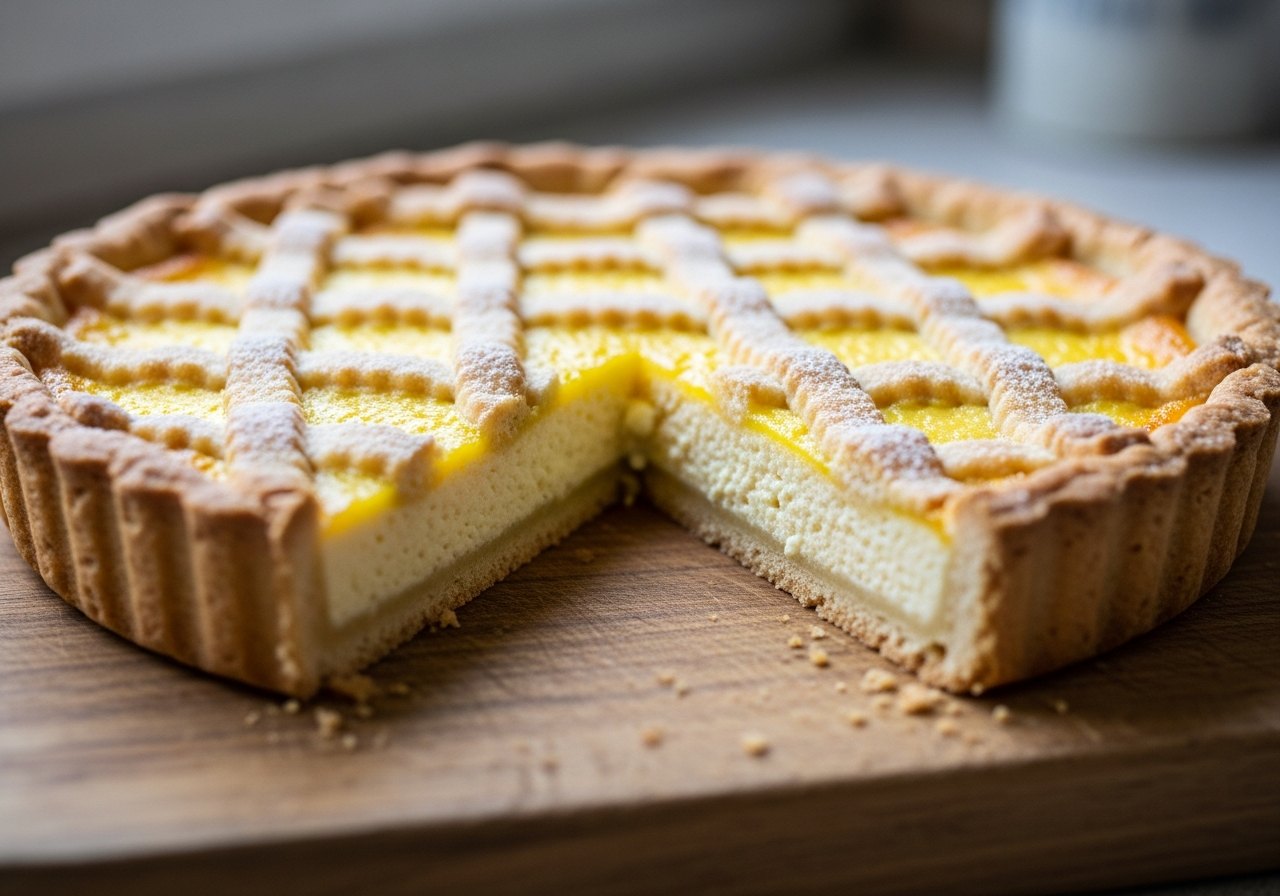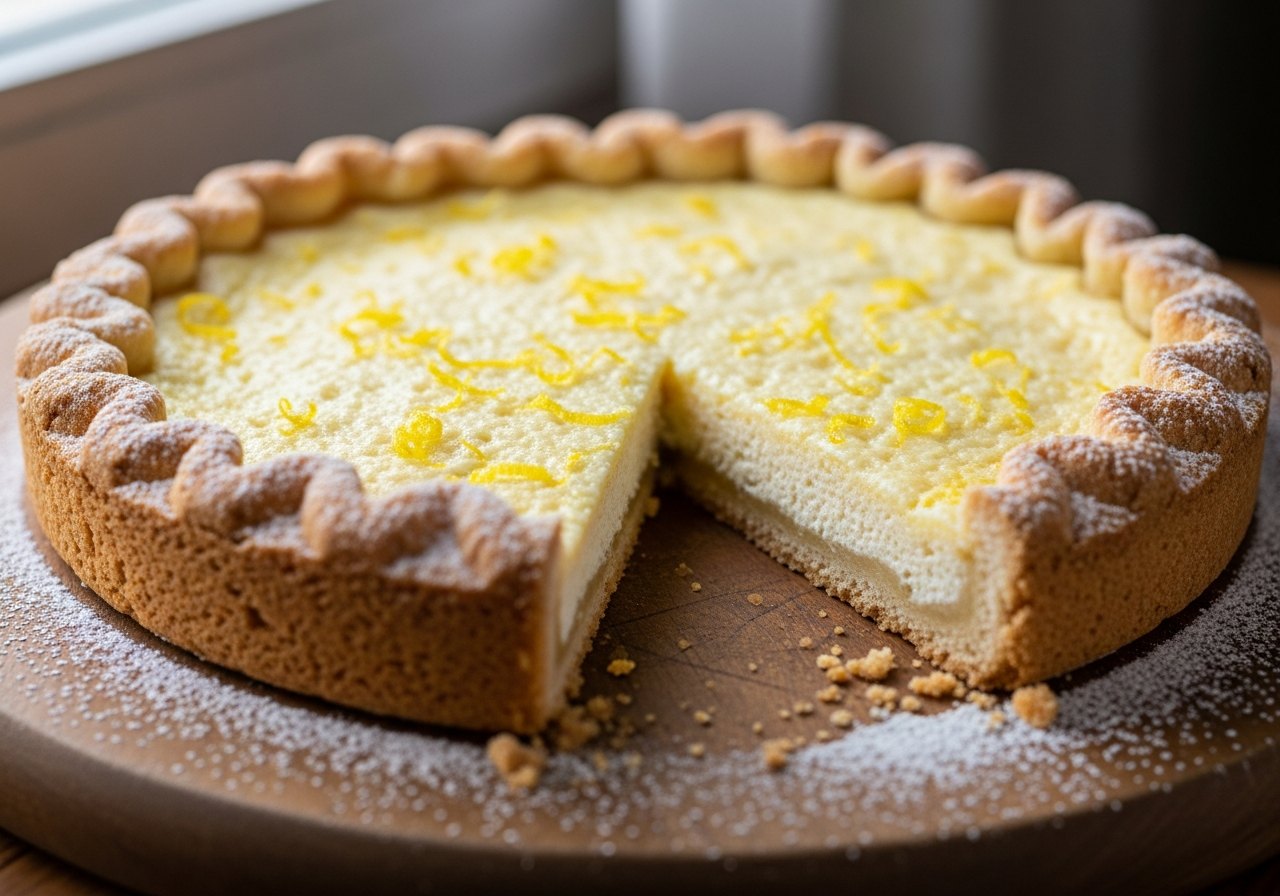
From the sun-drenched kitchens of Italy to your very own home, the Crostata di Ricotta is more than just a dessert; it is a warm embrace of tradition and simple, pure flavours. This rustic tart, a staple in Italian households, perfectly captures the essence of homemade baking, bringing families together for generations. It’s a delightful choice for a Sunday lunch or a special celebration.
Our recipe for Crostata di Ricotta honours the authentic methods, ensuring every bite delivers that comforting taste of Italy. The magic lies in the delicate balance of the crumbly, buttery pastry and the smooth, subtly sweet ricotta filling, brightened by a hint of fresh lemon zest. Prepare to fall in love with this timeless dessert, a true testament to Italian culinary artistry.
The Art of Pasta Frolla
The foundation of any great crostata is its pasta frolla, or sweet shortcrust pastry. The key to a tender, melt-in-the-mouth crust is to work the butter into the flour quickly and without overmixing. This prevents the gluten from developing too much, which can lead to a tough pastry.
Always ensure your butter is cold and cut into small cubes, and handle the dough as little as possible. After bringing it together, a crucial chilling period allows the gluten to relax and the butter to firm up, making the pastry easier to roll and ensuring a perfectly flaky texture once baked. Patience truly is a virtue here.
Selecting Your Ricotta
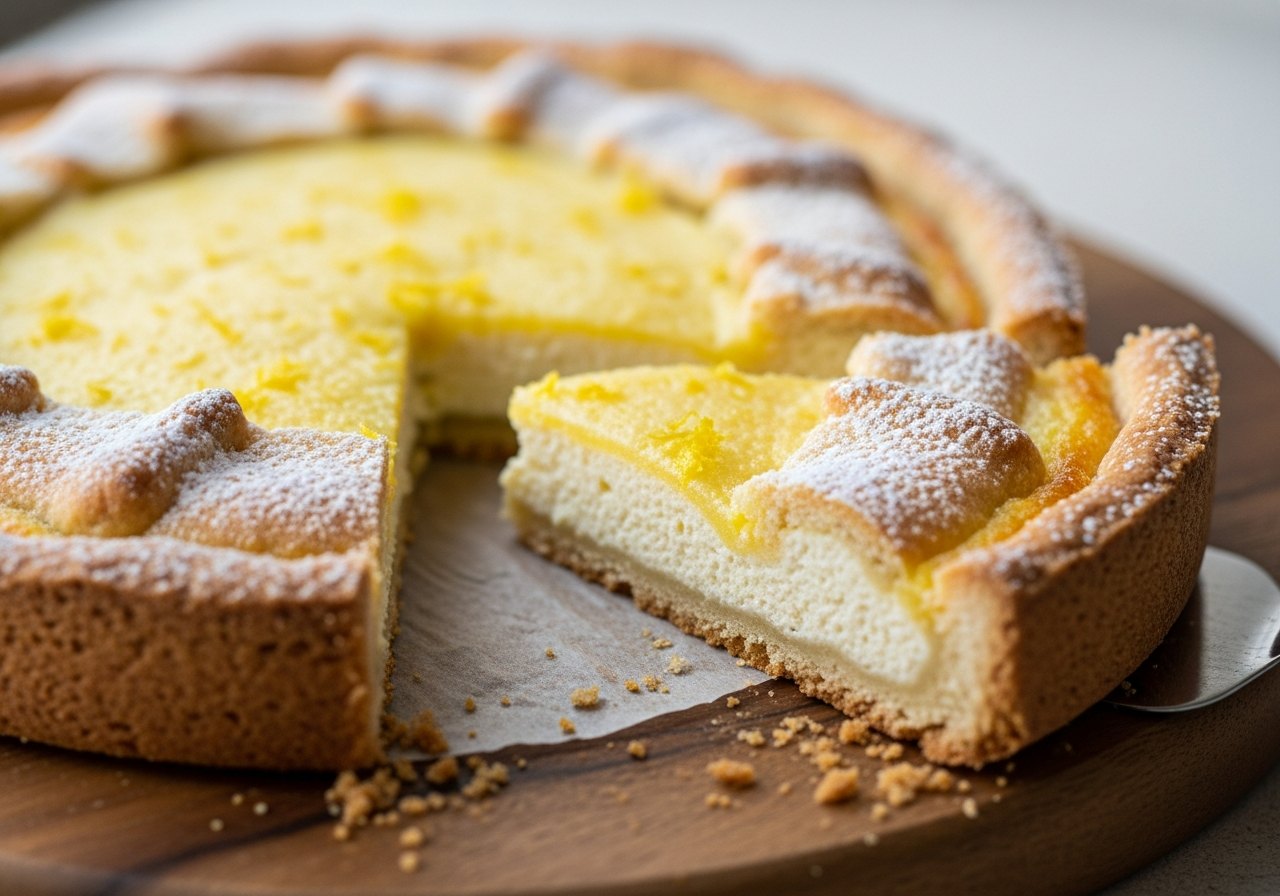
The heart of this crostata is, of course, the ricotta, and its quality significantly impacts the final result. Opt for a fresh, good-quality full-fat ricotta, ideally from sheep's or cow's milk, as it offers the best flavour and creamiest texture. Avoid low-fat varieties, as they can lead to a dry or crumbly filling.
Before mixing, it is absolutely essential to drain your ricotta thoroughly. Place it in a fine-mesh sieve lined with muslin or a coffee filter over a bowl and let it sit in the fridge for at least an hour, or even overnight. This removes excess moisture, preventing a watery filling and ensuring a rich, dense custard.
Nonna's tip
When making the pasta frolla, resist the urge to overwork the dough; handle it just enough for it to come together. Similarly, for the filling, mix until just combined to keep the ricotta light and airy.