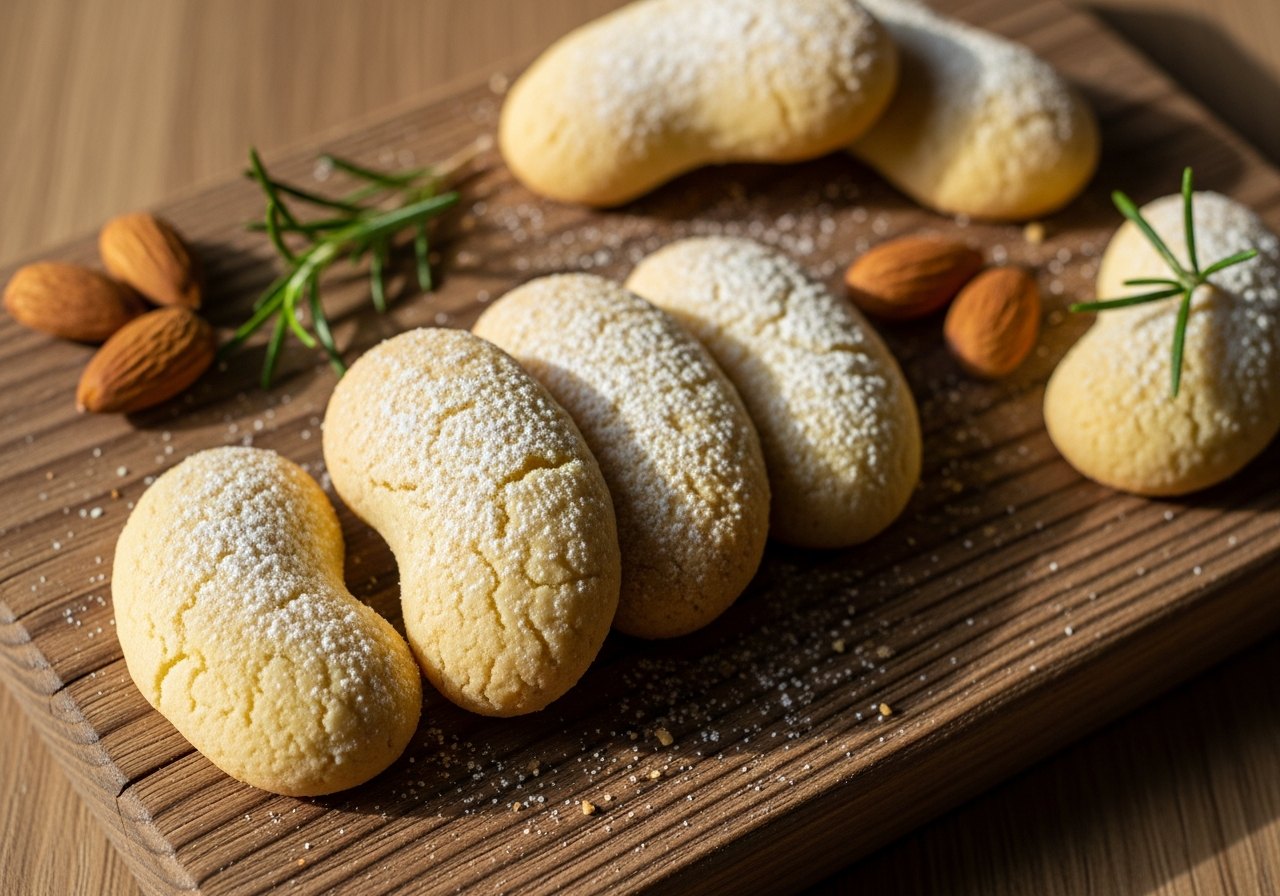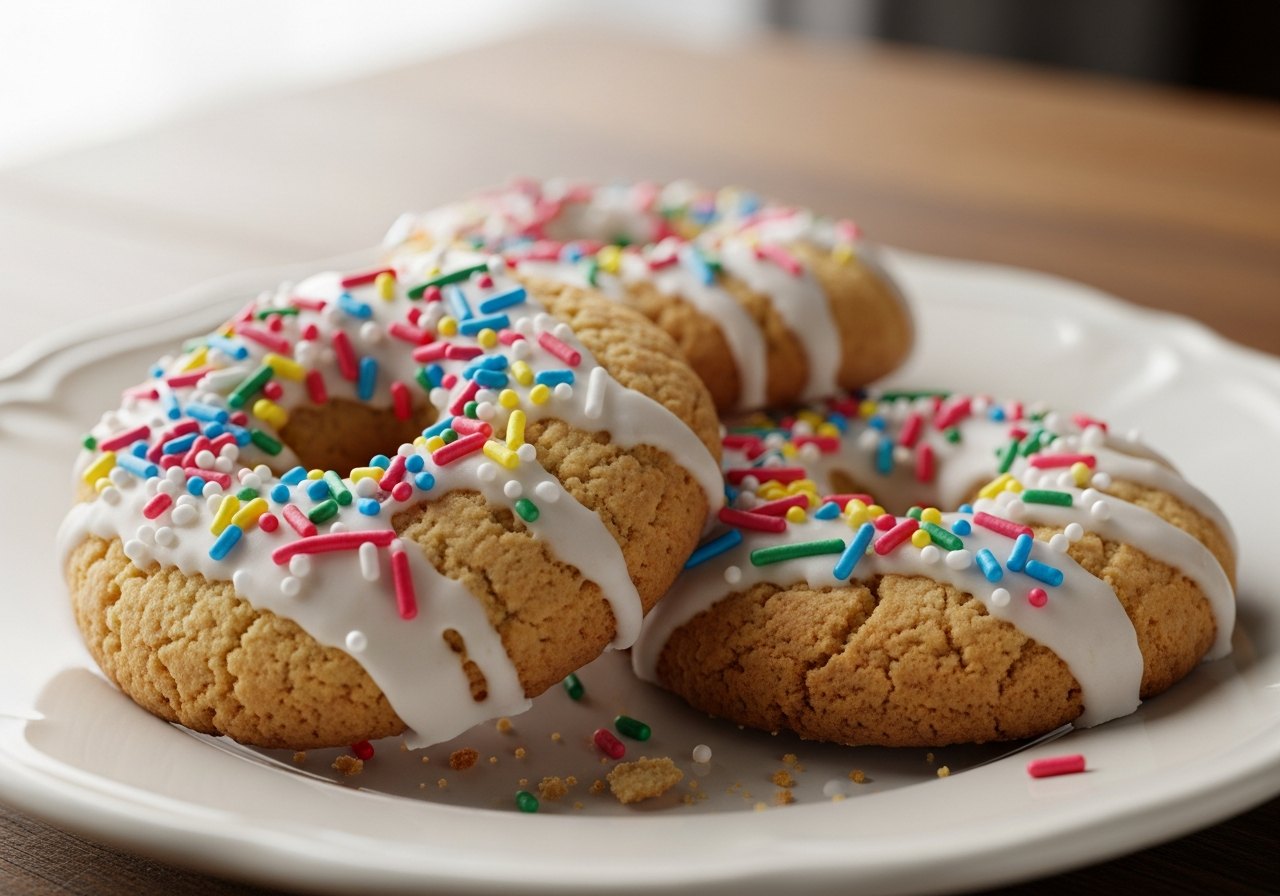
Ah, Cuccidati! These little jewels are more than just cookies; they are a piece of Sicilian history, often gracing our tables during the festive Christmas season. Each bite transports you to the sun-drenched island, a culinary embrace of North African and Mediterranean influences that have shaped our rich food culture for centuries. They represent the warmth of family gatherings and the joy of sharing.
What makes a Cuccidato truly special is the exquisite contrast: a delicate, slightly sweet pastry shell cradling an intensely flavourful filling of dried figs, nuts, chocolate, and aromatic spices. It's a symphony of textures and tastes, a testament to the simple yet profound magic of traditional Italian baking, lovingly prepared for those you cherish.
Crafting the Soulful Fig Filling
The heart of any good Cuccidato lies in its filling, a rich and complex paste that sings with the flavours of Sicily. We begin with plump, dried figs, carefully chopped and softened, often with a splash of Marsala wine or orange juice to awaken their natural sweetness. To this base, we add a medley of textures and aromas: toasted walnuts and almonds for a satisfying crunch, a hint of dark chocolate for depth, and finely chopped candied orange peel for a burst of citrus brightness.
Crucially, the filling is elevated by a fragrant blend of spices – warm cinnamon and piquant cloves are traditional, creating an intoxicating aroma that fills the kitchen. A touch of honey binds these ingredients, ensuring a luscious, spreadable consistency that perfectly balances the sweetness with an earthy, spicy warmth. This mixture must be simmered gently and then cooled completely, allowing the flavours to meld and deepen.
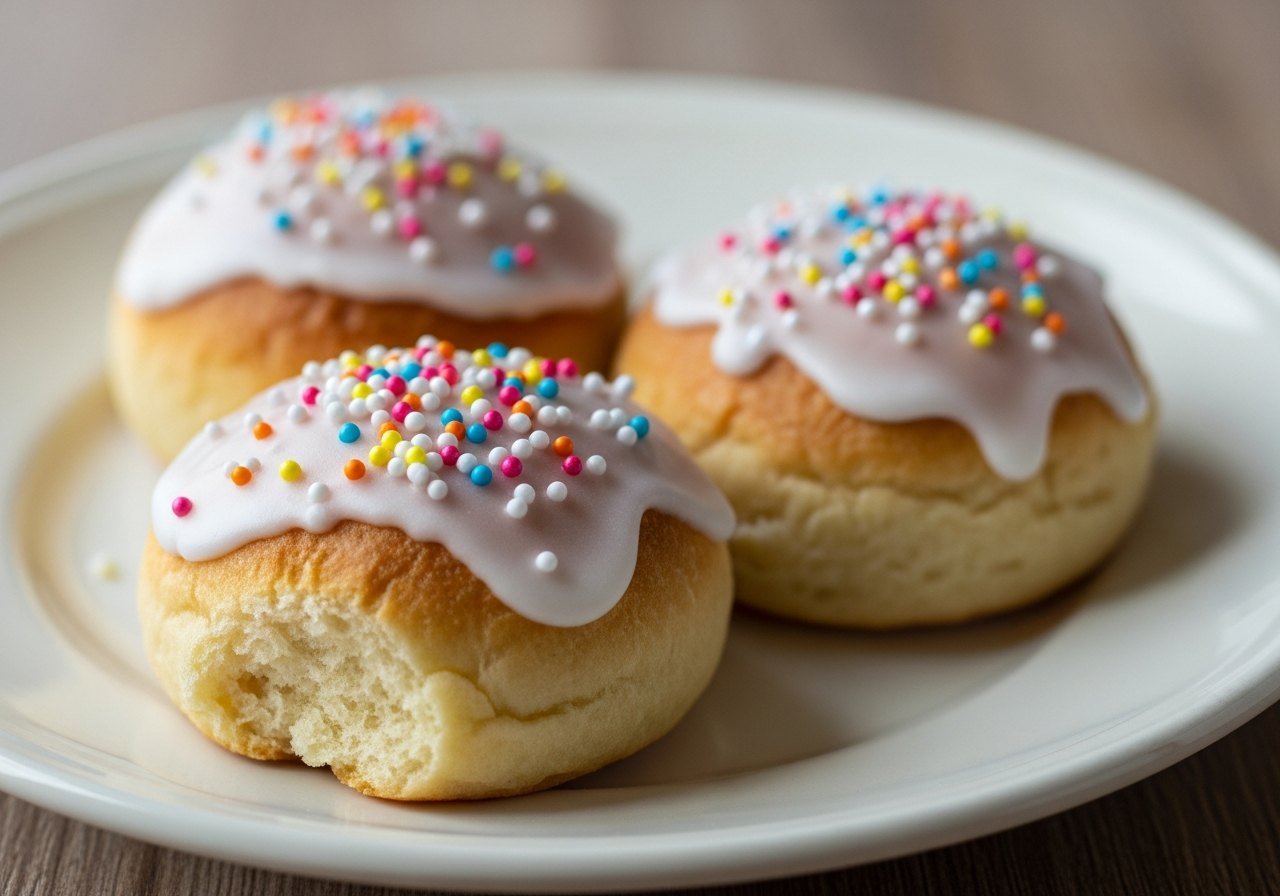
The Tender Embrace of the Pastry
While the filling is the star, the pastry is its elegant stage. A classic Cuccidati pastry is a tender, shortcrust-like dough, designed to be delicate enough to complement the robust filling without overpowering it. It's typically made with plain flour, a modest amount of sugar, and cold butter (or sometimes lard for extra flakiness), ensuring a crumbly, melt-in-the-mouth texture.
The key to a successful pastry lies in not overworking the dough, keeping it cool, and rolling it thinly. This ensures that when baked, it's light and crisp, creating the perfect casing. The precise technique of rolling the dough into strips, carefully spooning the filling, and then sealing it to form neat logs before cutting into individual cookies is vital for achieving the characteristic Cuccidati shape and texture.
Chef's Tip
For an extra layer of flavour in your fig filling, lightly toast the chopped nuts before adding them to the mixture. This deepens their aroma and adds a wonderful nutty complexity that enhances the overall taste of the cookies.
Also, ensure your fig filling is completely cool before assembling the cookies; warm filling can make the pastry difficult to handle and prone to tearing.
Nonna's tip
For an extra layer of flavour in your fig filling, lightly toast the chopped nuts before adding them to the mixture. This deepens their aroma and adds a wonderful nutty complexity that enhances the overall taste of the cookies. Also, ensure your fig filling is completely cool before assembling the cookies; warm filling can make the pastry difficult to handle and prone to tearing.