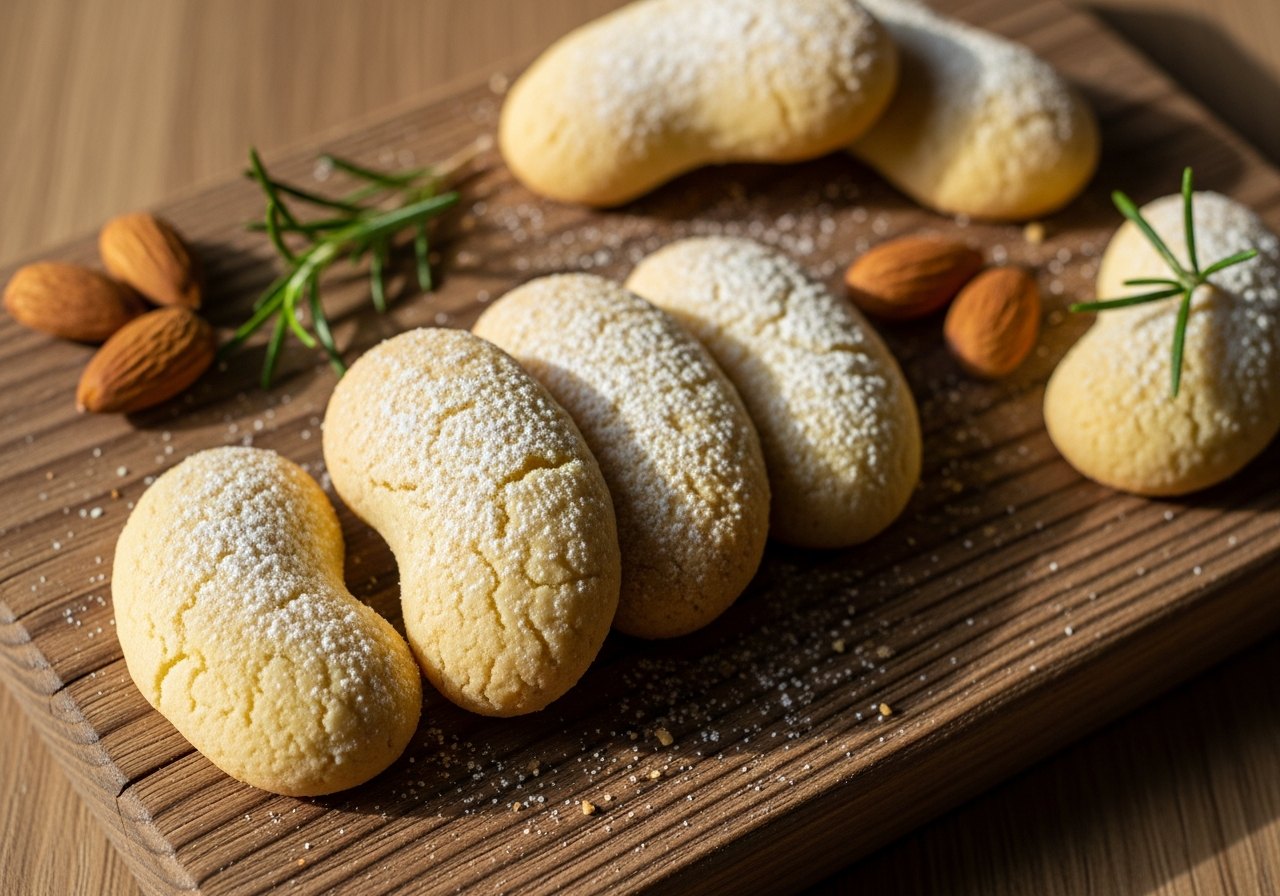
Ah, Fave dei Morti! The 'Beans of the Dead' are more than just a sweet treat; they are a cherished tradition deeply woven into the fabric of Italian autumn. Historically associated with All Saints' Day and All Souls' Day (1st and 2nd November), these delicate almond cookies symbolise remembrance and devotion, offering comfort and a touch of sweetness during a contemplative time. Every region has its own subtle variation, but the essence remains a beautiful tribute to those who have passed.
What makes these cookies truly special is their exquisite balance of tender texture and delicate flavour. Crafted primarily from ground almonds, they possess a delightful chewiness that melts in your mouth, infused with notes of citrus and often a hint of vanilla or almond extract. Their unique, slightly irregular broad bean shape is instantly recognisable, making them a rustic yet elegant addition to any table, perfect alongside a warm espresso or a glass of Vin Santo.
The Significance of Fave dei Morti
The name 'Fave dei Morti' directly translates to 'Beans of the Dead', a poignant reference to the broad beans (fava beans) that were once offered to the deceased in ancient Roman times as a symbol of life and rebirth. Over centuries, as culinary traditions evolved, these symbolic beans transformed into a sweet, almond-based cookie, maintaining the shape but replacing the legume with a more palatable, celebratory ingredient for the Christian observance of All Souls' Day.
While the symbolism is shared across Italy, the recipe for Fave dei Morti varies considerably from north to south. Some versions are crispier, others softer; some incorporate pine nuts, others a hint of liqueur. Our recipe embraces the tender, slightly chewy texture that is widely beloved, offering a taste that respects tradition while being utterly delightful to modern palates.
Achieving the Perfect Texture
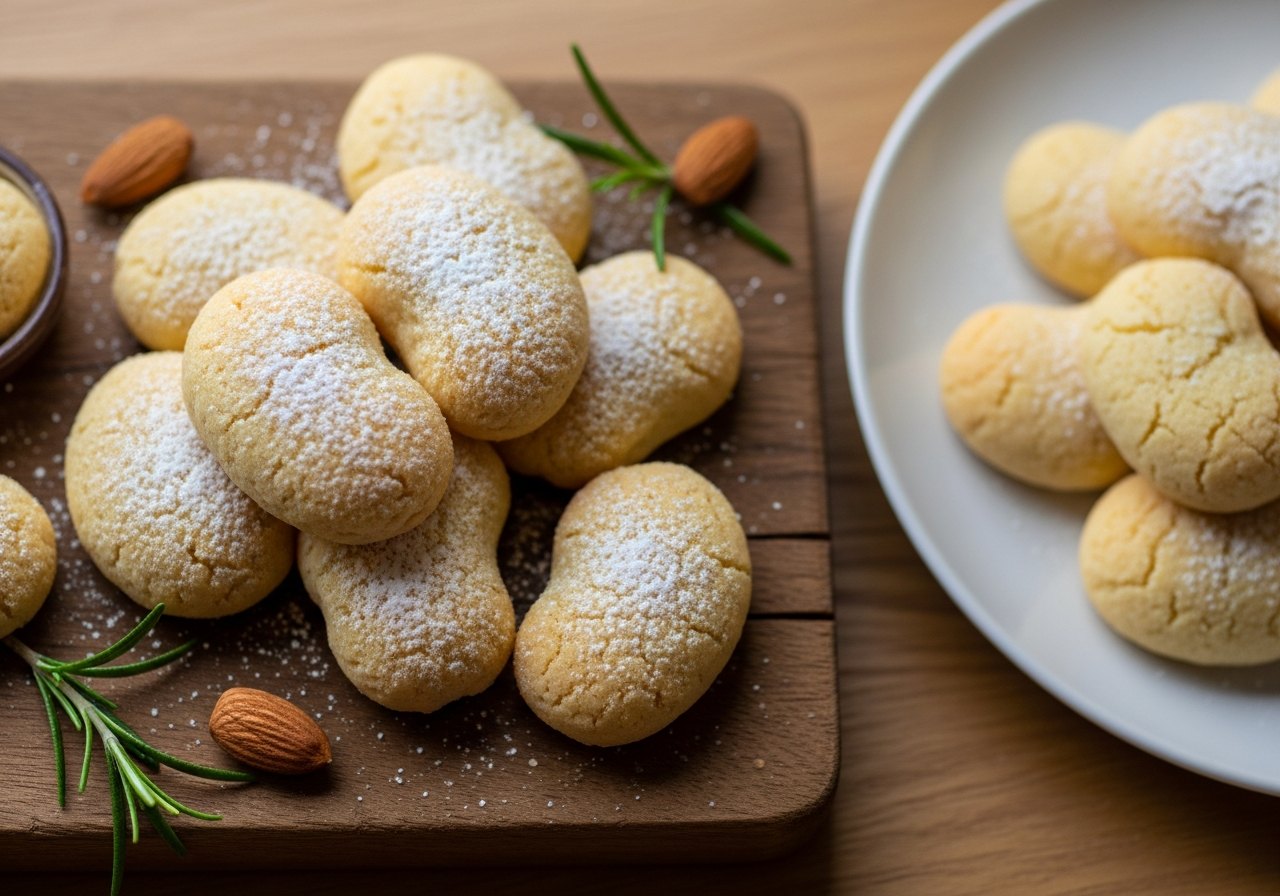
The secret to a truly exceptional Fave dei Morti lies in achieving that perfectly tender, almost melt-in-your-mouth texture. This is primarily dictated by the quality of your ground almonds and, crucially, by not overworking the dough. Almond flour, being gluten-free, contributes to a delicate crumb, but any added plain flour can develop gluten if kneaded excessively, leading to a tougher cookie.
When mixing, aim to combine the ingredients just until a cohesive dough forms. Gentle handling ensures the almonds' natural oils are preserved, contributing to moisture and flavour. Furthermore, baking at the correct temperature for the specified time is key; a slightly underbaked cookie will be too soft, while an overbaked one will become dry and crumbly, losing its characteristic tenderness.
Ingredients
200g (2 cups) ground almonds
100g (3/4 cup) plain flour
150g (3/4 cup) caster sugar
2 large egg whites
50g (1/4 cup) unsalted butter, softened
1 tsp lemon zest
1/2 tsp almond extract
1/2 tsp baking powder
Pinch of salt
Icing sugar, for dusting
Method
In a large bowl, whisk together the ground almonds, plain flour, caster sugar, baking powder, and salt until well combined.
Add the softened butter, egg whites, lemon zest, and almond extract to the dry ingredients. Mix with a wooden spoon or your hands until a soft, cohesive dough forms.
Wrap the dough in cling film and chill in the refrigerator for at least 30 minutes. This makes it easier to handle and shape.
Preheat your oven to 160°C (140°C fan/Gas Mark 3). Line two baking trays with parchment paper.
Take small portions of the chilled dough (about 15-20g each) and roll them into an oval shape, gently flattening them slightly to resemble broad beans.
Arrange the shaped cookies on the prepared baking trays, leaving a little space between each. Bake for 12-15 minutes, or until the edges are lightly golden and the cookies are firm to the touch but still soft in the centre.
Remove the cookies from the oven and let them cool completely on the baking trays. Once cool, dust generously with icing sugar before serving.
Nonna's tip
To ensure your cookies remain tender, avoid overmixing the dough once the flour is added. Overworking gluten can lead to a tougher texture, so mix just until combined.