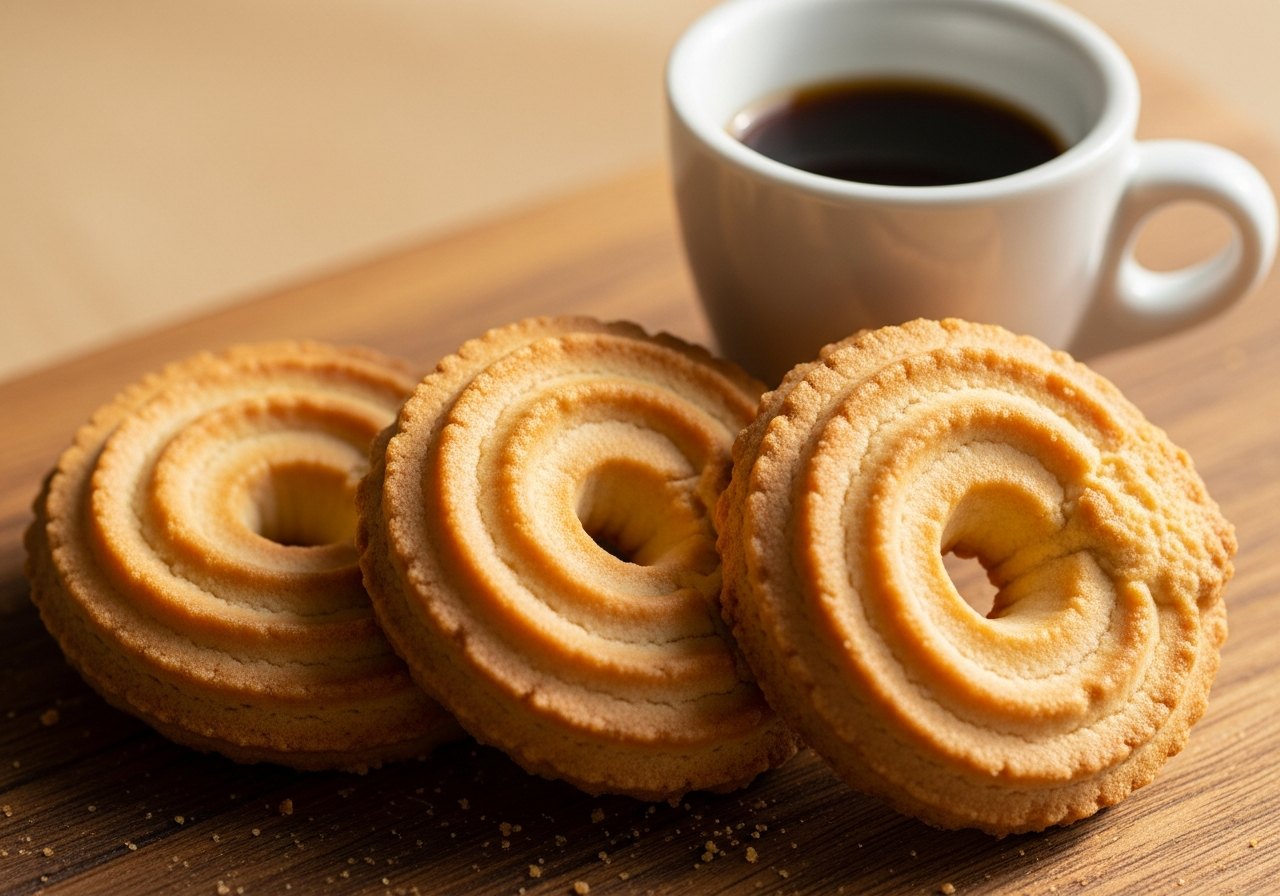
Krumiri, hailing from the beautiful Piedmont region of Italy, are more than just biscuits; they are a piece of culinary history. First created in Casale Monferrato in 1878 by Domenico Rossi, these unique, curved treats quickly became a favourite of King Umberto I. Their distinctive shape, said to resemble King Vittorio Emanuele II's moustache, adds to their charm and makes them instantly recognisable.
What truly sets Krumiri apart is their incredible texture and flavour profile, achieved through a simple yet precise combination of ingredients. Made primarily with wheat flour, cornmeal, butter, sugar, and eggs, they boast a delightful crispness and a rich, buttery taste with a subtle hint of vanilla. They are traditionally enjoyed with a strong espresso, or as an accompaniment to a glass of dessert wine, embodying true Italian simplicity and elegance.
The Importance of Quality Butter
In Krumiri, butter is not merely a fat; it is a fundamental flavour component that elevates the biscuit from good to truly exceptional. Opting for a high-quality, unsalted butter with a good fat content will significantly impact the final taste and texture. European-style butter, with its richer flavour and lower water content, is often preferred for its ability to create a more tender crumb and a more pronounced buttery aroma.
Ensure your butter is at room temperature before you begin mixing. This allows it to cream properly with the sugar, incorporating air and creating a light, fluffy base for your dough. Cold butter will result in a dense, crumbly mixture, making it difficult to achieve the smooth, pliable dough essential for shaping the Krumiri's iconic curved form.
Mastering the Distinctive Krumiri Shape
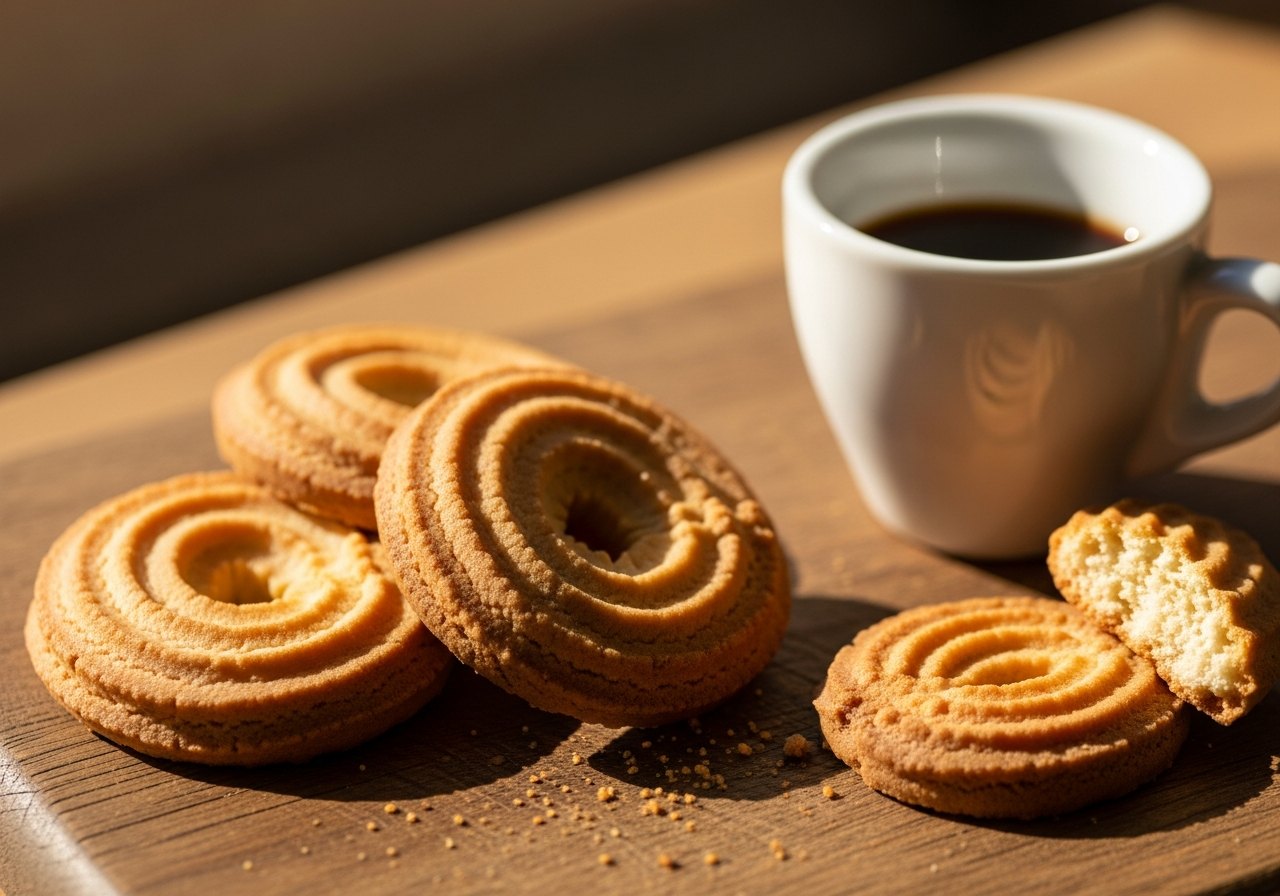
The unique, slightly curved shape of Krumiri is as iconic as its flavour, and achieving it is simpler than you might think. After chilling, the dough should be firm enough to handle but still pliable. The traditional method involves rolling the dough into long, even logs, then cutting them into individual pieces before gently curving them by hand or over a rolling pin.
For precision, a fluted pastry wheel can be used to cut the ends of the logs, giving them their characteristic serrated edge. This adds to the visual appeal and provides a slight textural variation. Don't worry if your first few aren't perfect; practice makes perfect, and even slightly irregular Krumiri will taste utterly delicious.
Nonna's tip
For an extra layer of flavour, consider adding a tiny pinch of fine sea salt to balance the sweetness and enhance the buttery notes. Always ensure your oven is preheated to the correct temperature; consistency is key for an even bake and that perfect crisp texture.