Sponge & Layer Cakes

Pandoro

Experience the magic of authentic Italian Pandoro, a golden, star-shaped Christmas bread, perfect for festive tables.

Pandoro
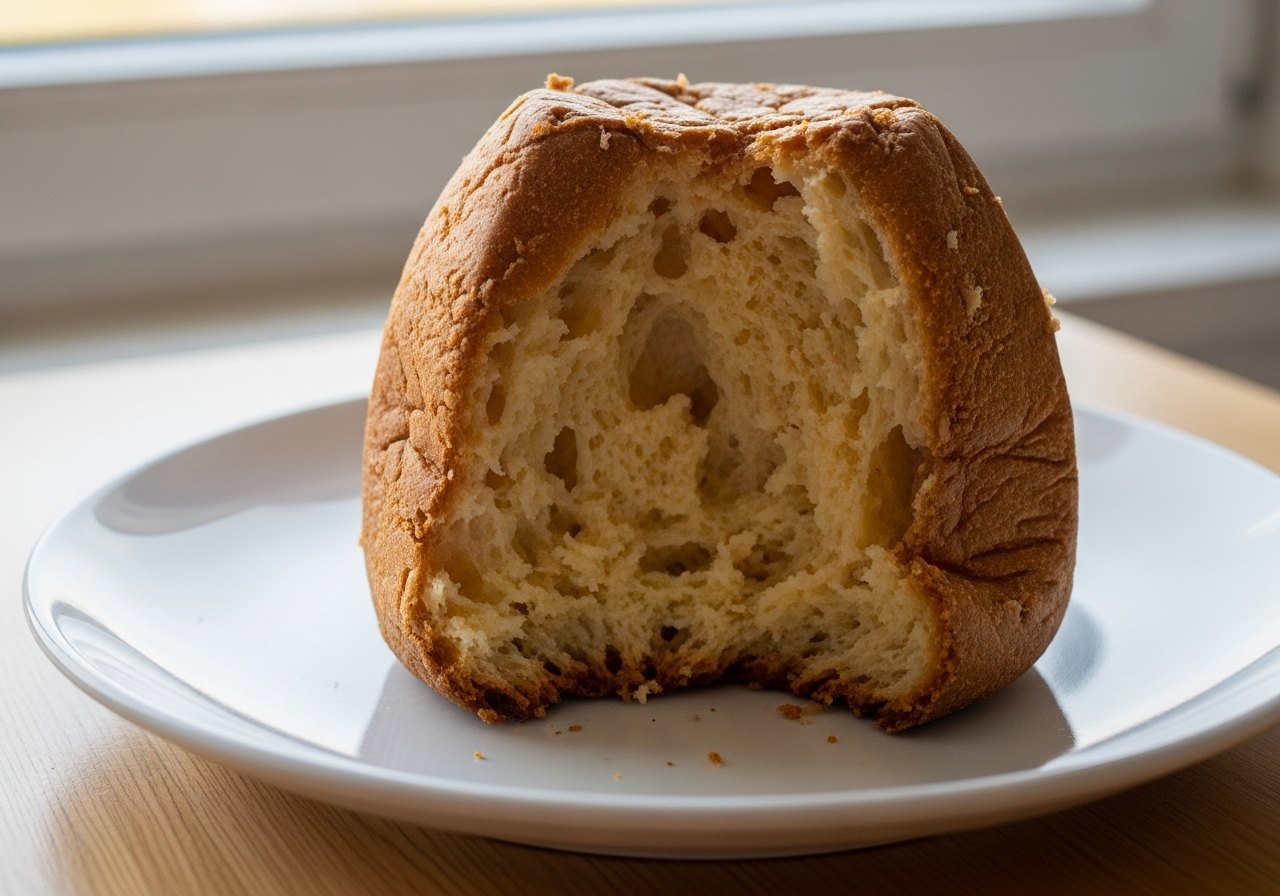
Pandoro — made and photographed at home.

Pandoro, meaning 'golden bread', is a beloved Italian sweet bread originating from Verona, traditionally enjoyed during the Christmas holidays. Its distinctive star shape and light, airy texture make it a festive centrepiece, often overshadowed by its Milanese cousin, Panettone. However, for many Italians, Pandoro's simple elegance and rich, buttery flavour are the true taste of Christmas.

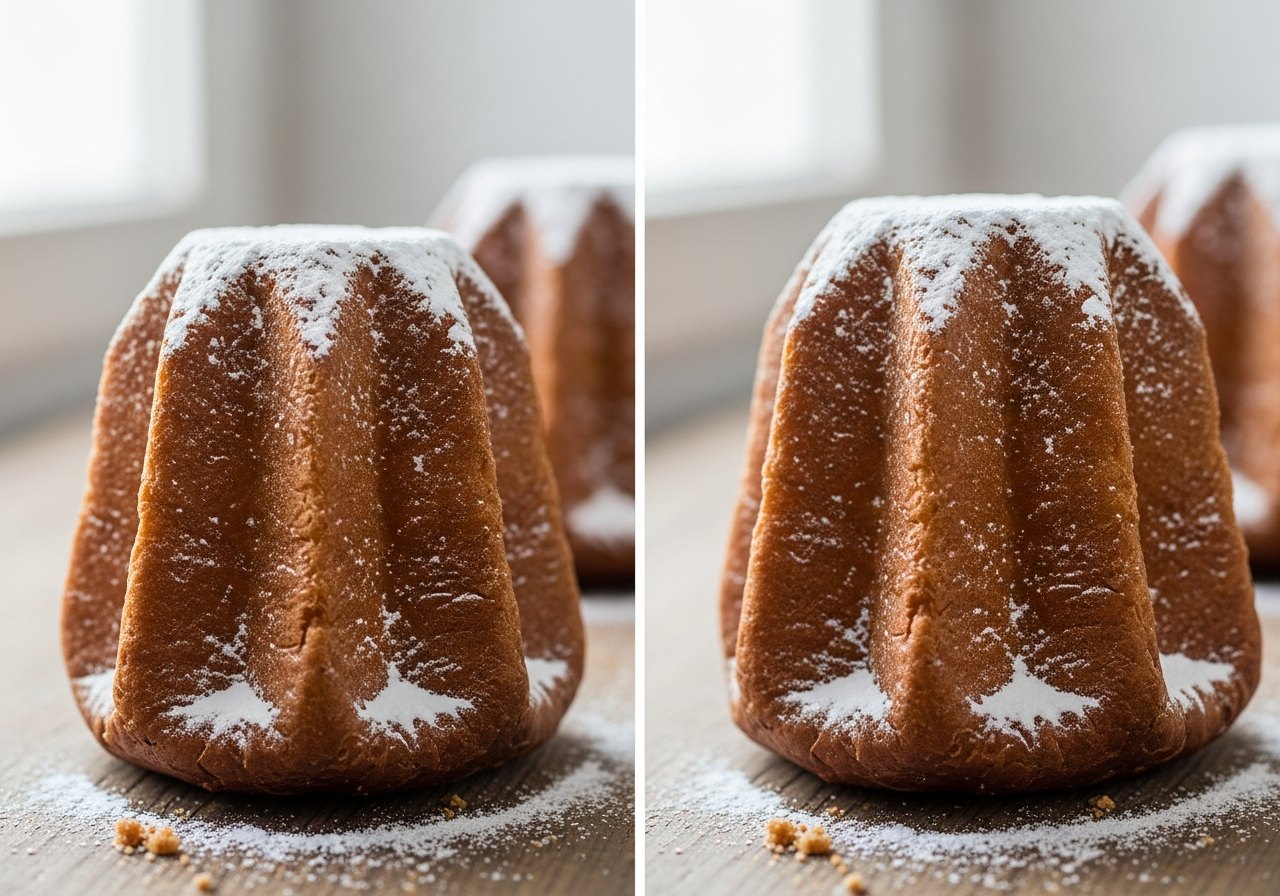
Crafting an authentic Pandoro is a labour of love, requiring patience and a keen eye for detail, but the reward is immense. The secret lies in the long fermentation process and the gradual incorporation of butter, creating a dough that is incredibly soft, fragrant with vanilla and citrus, and boasts a melt-in-your-mouth crumb. Dusted with a generous layer of icing sugar, it truly resembles a snow-capped mountain.

The Art of Levitation: Mastering the Dough

The light and airy texture of Pandoro is achieved through a multi-stage fermentation process, often involving a 'biga' or preferment, followed by several long rises. Each stage allows the yeast to work its magic, developing flavour and strength in the dough. Temperature control is crucial; a warm, draught-free environment is essential for optimal rising, especially during the extended proofing periods.

Developing the gluten structure is equally vital. The dough requires thorough kneading, often in stages, to become smooth, elastic, and capable of holding the rich butter and eggs. This elasticity ensures the characteristic stretchy, open crumb. Resist the urge to add more flour during kneading, instead rely on patience and proper technique to achieve the desired consistency.
The Art of Levitation: Mastering the Dough

The Essential Ingredients: Simplicity for Perfection

Pandoro relies on a few high-quality ingredients to achieve its unparalleled flavour and texture. Premium strong white bread flour provides the necessary gluten for structure, while fresh eggs and rich unsalted butter contribute to its signature golden hue and tender crumb. Always ensure your butter and eggs are at room temperature for seamless incorporation into the dough.

The subtle aroma of Pandoro comes from natural vanilla and finely grated lemon zest, which uplift the richness of the butter and eggs without overpowering them. Fresh yeast is preferred over dry for its more active and consistent fermentation, crucial for the complex rising schedule. A pinch of salt balances the sweetness, enhancing all the other flavours.

Serving Suggestions & Storing Pandoro

Pandoro is traditionally served dusted with icing sugar, often presented in its iconic star shape. For an extra festive touch, you can warm it slightly before serving to enhance its delicate aroma and softness. It pairs beautifully with a glass of prosecco or a rich Italian dessert wine.

To enjoy Pandoro beyond its fresh bake, store any leftovers in an airtight container at room temperature. It remains delicious for several days and can also be gently toasted and served with a dollop of mascarpone cream, a fruit compote, or even a rich chocolate spread for a delightful breakfast or dessert.

Nonna's tip

Always ensure your butter and eggs are at room temperature before mixing; this emulsifies better and creates a smoother, more uniform dough. For a truly airy Pandoro, resist the urge to rush the rising times, as patience is key.
Recipe Card

Pandoro

A cherished Italian sweet bread, Pandoro is a golden, star-shaped delight, rich with butter and vanilla, traditionally served dusted with icing sugar.

Prep
45 min
Cook
50 min
Chill
12 hr
Total
13 hr 35 min
Serves
8-10
Level
Advanced
Ingredients
  • 500g (approx. 4 cups) strong white bread flour, plus 50g (approx. 1/2 cup) for starter
  • 150g (approx. 3/4 cup) caster sugar, plus 20g (approx. 1.5 tbsp) for starter
  • 25g fresh yeast (or 8g active dry yeast)
  • 100ml (approx. 1/3 cup + 1 tbsp) whole milk, lukewarm
  • 3 large eggs (approx. 180g), at room temperature
  • 2 large egg yolks (approx. 30g), at room temperature
  • 200g (approx. 1 cup) unsalted butter, very soft, at room temperature
  • 2 tsp vanilla extract
  • 1 tsp finely grated lemon zest
  • 5g (approx. 1 tsp) fine sea salt
  • Icing sugar, for dusting
Method
  1. First, prepare the 'biga' or starter: In a small bowl, dissolve 20g sugar and the yeast in the lukewarm milk. Add 50g flour, mix well, cover, and let rise in a warm place for 30 minutes until bubbly.

  2. In a large mixing bowl or stand mixer, combine the remaining 500g flour, 150g sugar, salt, and the risen biga. Add the whole eggs and egg yolks one by one, mixing until a shaggy dough forms.

  3. Knead the dough for 15-20 minutes until it becomes smooth, elastic, and pulls away from the sides of the bowl. It should be quite soft and slightly sticky.

  4. Gradually add the very soft butter, a tablespoon at a time, continuing to knead thoroughly after each addition until fully incorporated. Add the vanilla extract and lemon zest during the last few minutes of kneading.

  5. Transfer the dough to a lightly oiled bowl, cover with cling film, and let it rise in a warm place for 2-3 hours, or until doubled in size. For a deeper flavour, you may refrigerate the dough overnight for a slow, cold rise (this counts towards the 12-hour chill time).

  6. Punch down the dough gently, shape it into a ball, and place it into a well-greased and floured Pandoro mould. Cover loosely and let it proof in a warm place for another 3-5 hours, or until the dough almost reaches the top of the mould.

  7. Preheat your oven to 170°C (150°C fan/Gas Mark 3). Bake the Pandoro for 45-55 minutes, or until deeply golden brown and a skewer inserted into the centre comes out clean. If the top browns too quickly, cover loosely with foil.

  8. Remove from the oven, let it cool in the mould for 10 minutes, then carefully invert onto a wire rack to cool completely. Once fully cooled, generously dust with icing sugar before serving.

Nutrition (per serving)
380
Calories
20 g
Fat
42 g
Carbs
8 g
Protein
25 g
Sugar
Notes
  • Store leftover Pandoro in an airtight container at room temperature for up to 5 days to maintain its freshness and soft texture.
  • For an extra treat, serve slices lightly toasted with a dollop of mascarpone cream, a fruit compote, or a rich chocolate spread.
Good to know

Frequently asked

Why is my Pandoro not rising sufficiently?

This could be due to inactive yeast, an incorrect dough temperature (too hot or too cold), or insufficient kneading which prevents proper gluten development. Ensure your yeast is fresh and your environment is warm and consistent.

My Pandoro is dense and heavy, not light and airy. What went wrong?

A dense Pandoro often points to under-kneading, meaning the gluten wasn't properly developed to trap the gases from the yeast. It can also be a result of rushing the proofing stages; patience is crucial for a truly airy crumb.

How can I ensure my Pandoro has the perfect star shape?

The key to the perfect star shape is a well-prepared Pandoro mould, generously greased and floured. Additionally, ensure the dough has proofed sufficiently to fill the mould before baking, allowing it to expand into all the crevices.