Sponge & Layer Cakes

Torta Mantovana

Experience the rustic elegance of Torta Mantovana, a buttery, citrus-infused delight from Lombardy.

Torta Mantovana
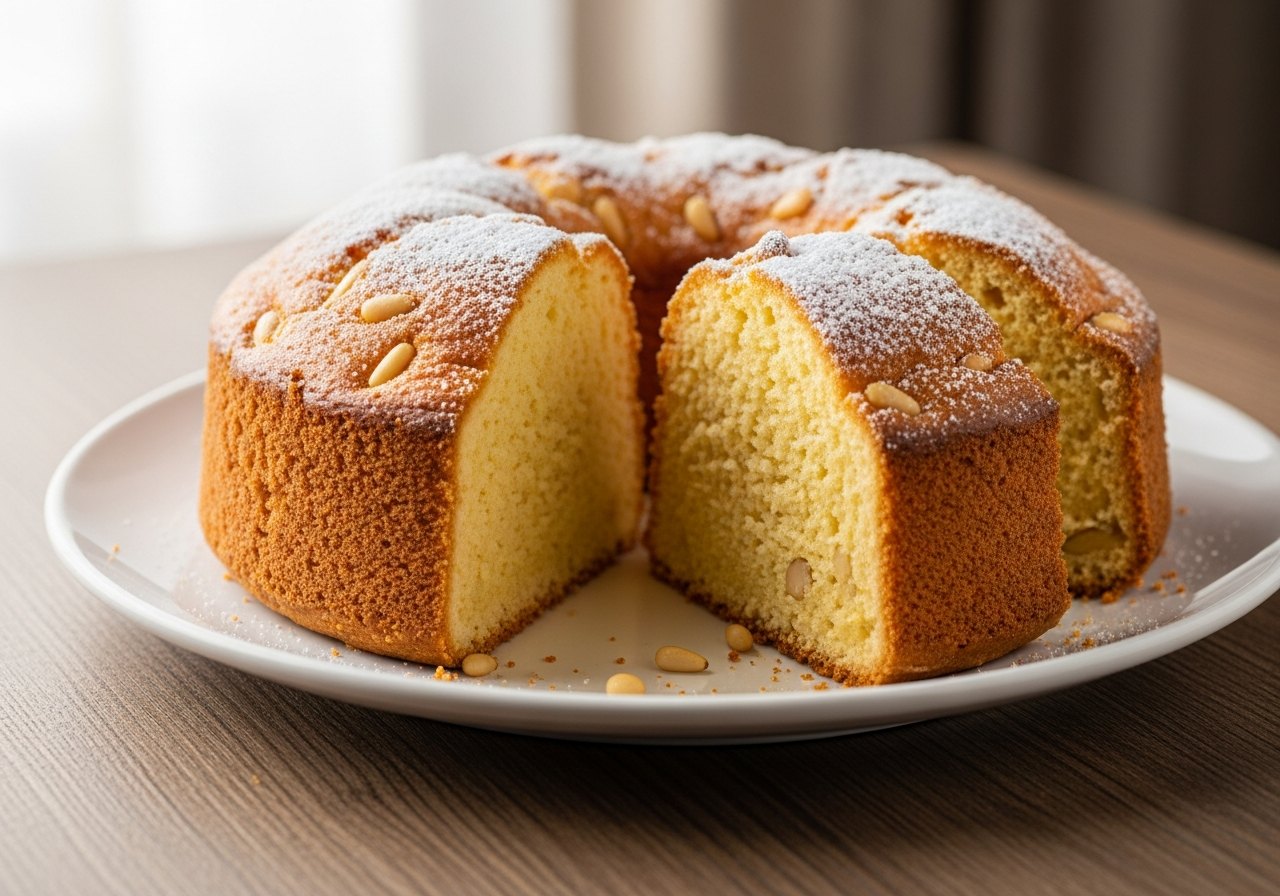
Torta Mantovana — made and photographed at home.

From the elegant city of Mantua in Lombardy comes a cake that speaks of history, simplicity, and pure delight: the Torta Mantovana. This cherished dessert, often enjoyed for breakfast or afternoon tea, embodies the spirit of Italian home baking. Its origins are said to be tied to the Gonzaga court, where it was a favourite for its subtle sweetness and tender texture, proving that true culinary magic often lies in the understated.

Unlike a light and airy sponge, Torta Mantovana boasts a rich, dense, yet wonderfully moist crumb, thanks to a generous amount of butter. Its flavour profile is primarily bright lemon zest, which cuts through the richness beautifully, creating a harmonious balance. Topped simply with a sprinkle of sugar and sometimes pine nuts, it's a testament to the Italian philosophy that quality ingredients, handled with care, need little embellishment to shine.

The Art of Creaming for a Tender Crumb

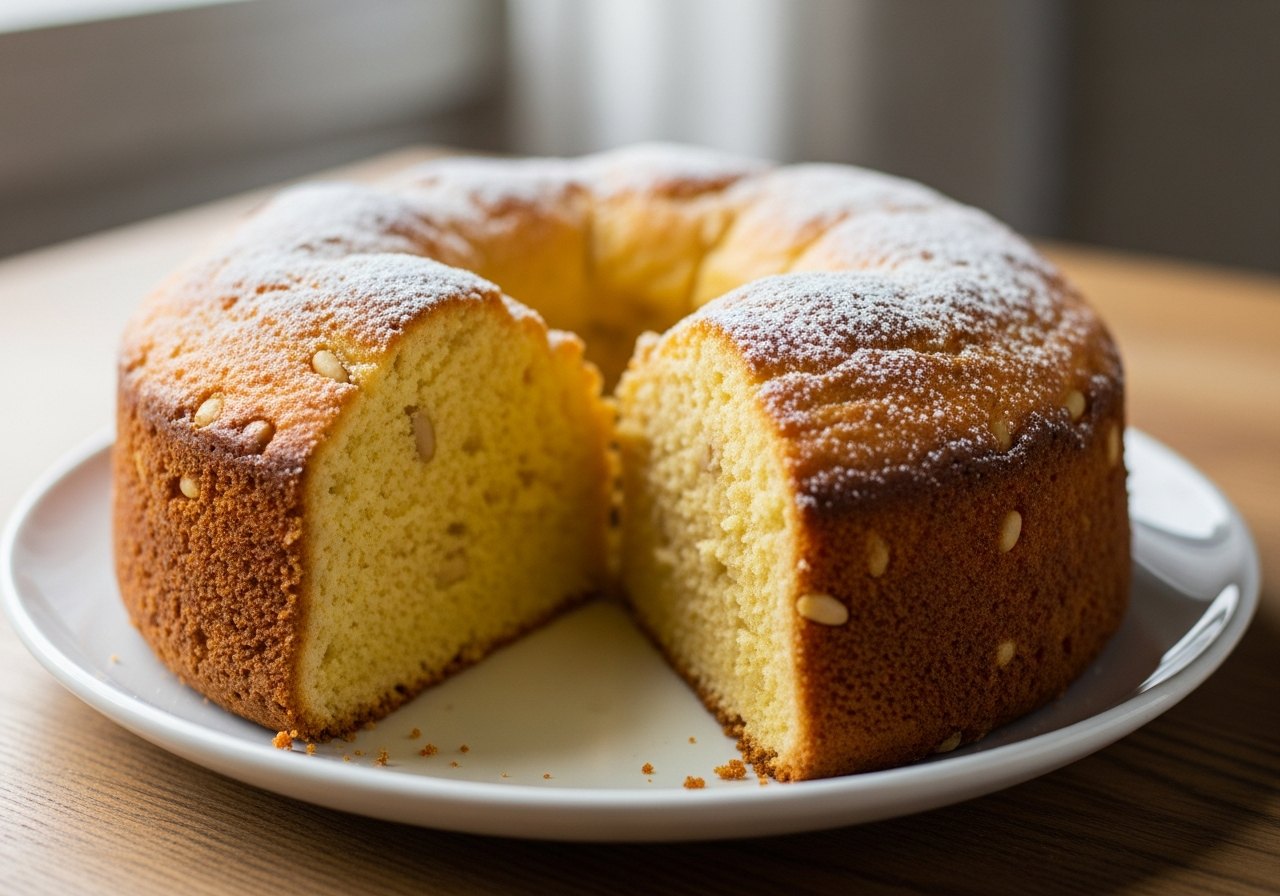
The secret to Torta Mantovana's unique, almost shortbread-like yet tender crumb lies in the initial creaming of butter and sugar. This crucial step incorporates air into the mixture, which then expands during baking, resulting in a cake that is dense but never heavy or dry. It's vital to ensure both the butter and sugar are thoroughly combined until light and fluffy, almost pale in colour.

When adding the eggs, patience is key. Incorporate them one at a time, beating well after each addition to maintain the emulsification. This prevents the mixture from curdling and ensures a smooth, uniform batter. The delicate balance achieved through careful creaming and egg incorporation is what gives this traditional cake its characteristic melt-in-the-mouth texture.
The Art of Creaming for a Tender Crumb

The Signature Topping: Simplicity is Key

One of the most distinguishing features of Torta Mantovana is its unpretentious yet effective topping. Rather than elaborate frostings, this cake relies on a simple scattering of caster sugar and, traditionally, pine nuts. The sugar caramelises lightly during baking, creating a delicate, crisp crust that contrasts beautifully with the soft interior.

The pine nuts add a subtle nutty flavour and a pleasant textural counterpoint. While they are a classic inclusion, if you're not a fan, flaked almonds can be a delightful alternative, or they can be omitted entirely. This minimalist approach to decoration highlights the cake's intrinsic flavours and textures, staying true to its rustic, authentic Italian charm.

Ingredient Spotlight: Lemon Zest

The vibrant aroma and delicate tang of fresh lemon zest are indispensable to the authentic flavour of Torta Mantovana. It provides a bright, aromatic lift that balances the richness of the butter and eggs. Always opt for unwaxed lemons and grate only the yellow part of the peel, avoiding the bitter white pith.

Incorporating the zest towards the end of the mixing process ensures its volatile oils are preserved, providing the maximum flavour impact. This simple addition elevates the cake from merely sweet to wonderfully refreshing, making each bite a true Mediterranean delight.

Nonna's tip

Always ensure all your ingredients, especially butter and eggs, are at room temperature before you begin. This allows them to emulsify properly, creating a smooth, cohesive batter and a more even, tender crumb.
Recipe Card

Torta Mantovana

A classic Italian butter cake, Torta Mantovana features a rich, tender crumb, bright lemon flavour, and a delicate crunch from its sugar and pine nut topping.

Prep
20 min
Cook
40-45 min
Chill
0 min
Total
1 hr 5 min
Serves
8
Level
Easy
Ingredients
  • 200g (7 oz) unsalted butter, softened
  • 200g (1 cup) caster sugar, plus 1 tbsp for topping
  • 3 large eggs, at room temperature
  • 250g (2 cups) plain flour
  • 10g (2 teaspoons) baking powder
  • Pinch of fine sea salt
  • 60ml (1/4 cup) whole milk, at room temperature
  • Zest of 1 large unwaxed lemon
  • 30g (1/4 cup) pine nuts
  • Icing sugar, for dusting (optional)
Method
  1. Preheat your oven to 180°C (160°C fan/Gas Mark 4) and grease and flour a 22cm (9-inch) round springform cake tin, or line with baking parchment.

  2. In a large mixing bowl, cream together the softened butter and 200g of caster sugar until the mixture is light, pale, and fluffy, which should take about 3-5 minutes with an electric mixer.

  3. Add the eggs one at a time, beating well after each addition until fully incorporated, scraping down the sides of the bowl as needed to ensure everything is combined.

  4. In a separate bowl, whisk together the plain flour, baking powder, and salt.

  5. Gradually add the dry ingredients to the butter mixture in three additions, alternating with the milk, beginning and ending with the flour mixture, mixing on low speed until just combined after each addition.

  6. Fold in the lemon zest gently with a spatula, ensuring the batter remains light and airy.

  7. Pour the batter into the prepared cake tin and smooth the top with a spatula; then sprinkle evenly with the pine nuts and the remaining 1 tablespoon of caster sugar.

  8. Bake for 40-45 minutes, or until a wooden skewer inserted into the centre of the cake comes out clean and the top is golden brown.

  9. Allow the cake to cool in the tin for 10 minutes before carefully inverting it onto a wire rack to cool completely; dust with icing sugar before serving, if desired.

Nutrition (per serving)
380
Calories
22 g
Fat
40 g
Carbs
7 g
Protein
25 g
Sugar
Notes
  • Store Torta Mantovana in an airtight container at room temperature for up to 3-4 days to maintain its freshness and tender crumb.
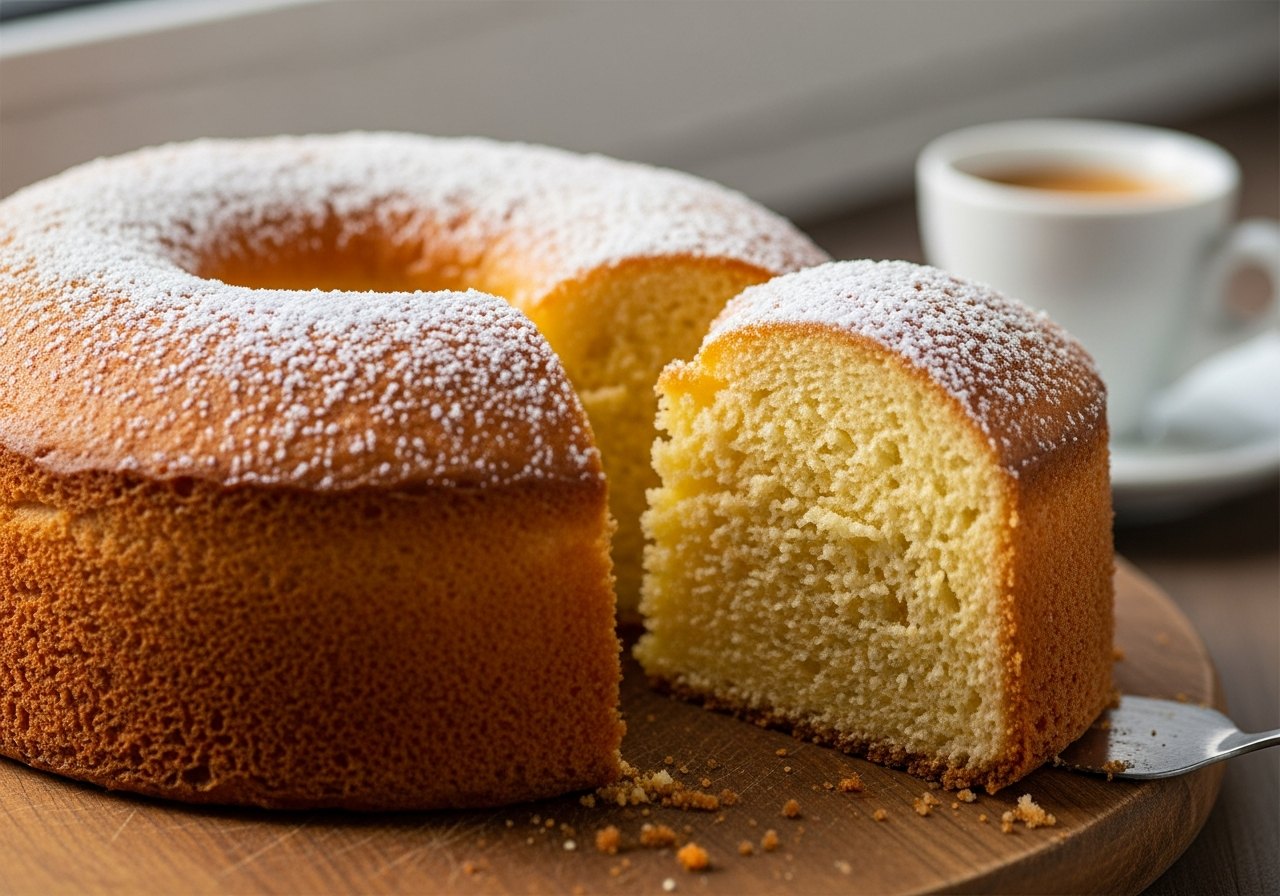
  • Serve slices plain with a cup of espresso or a delicate tea for an authentic Italian experience, or alongside fresh berries for a hint of summer.
Good to know

Frequently asked

Why is my Torta Mantovana dry?

A dry cake is often a sign of overbaking. Ensure you test for doneness with a skewer and remove the cake from the oven as soon as it comes out clean. Overmixing the flour can also develop the gluten too much, leading to a tougher, drier texture.

Can I substitute the pine nuts?

Absolutely! While pine nuts are traditional, you can easily substitute them with flaked almonds for a similar texture and nutty flavour. If you prefer, you can also omit them entirely for a simpler cake.

How can I prevent the cake from sticking to the tin?

Thoroughly greasing and flouring your cake tin is crucial. For extra insurance, you can also line the bottom of the tin with a circle of baking parchment. Make sure to let the cake cool in the tin for a few minutes before attempting to unmould it, as this allows it to firm up slightly.