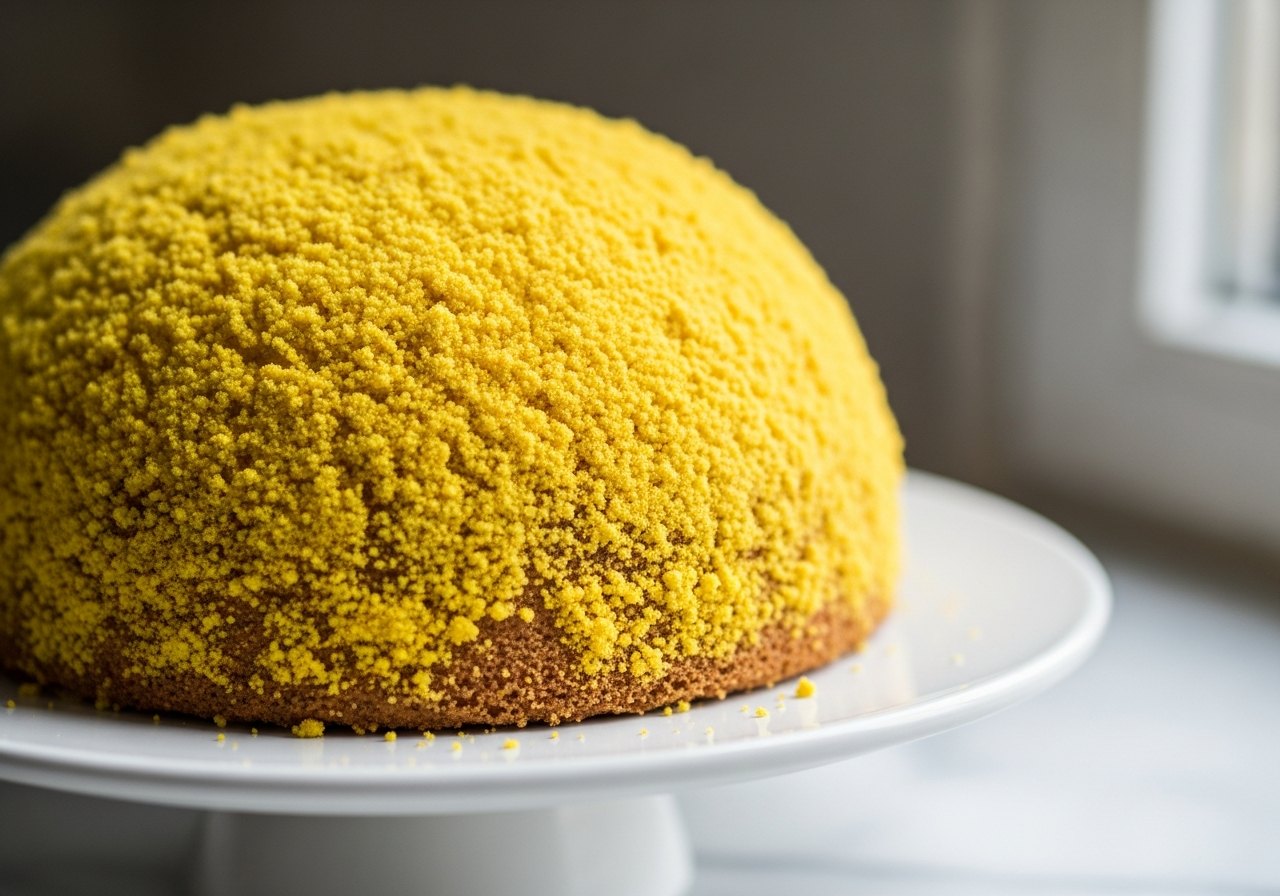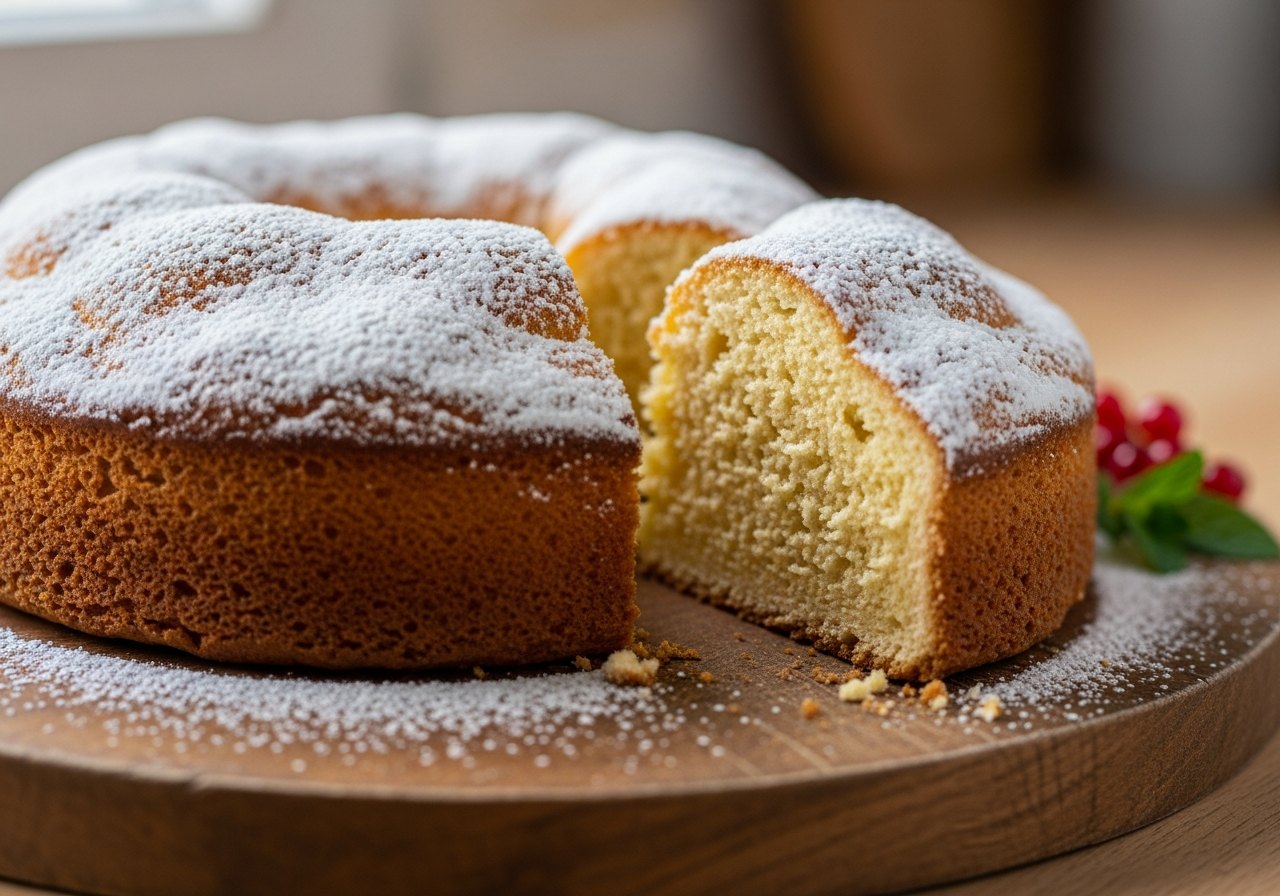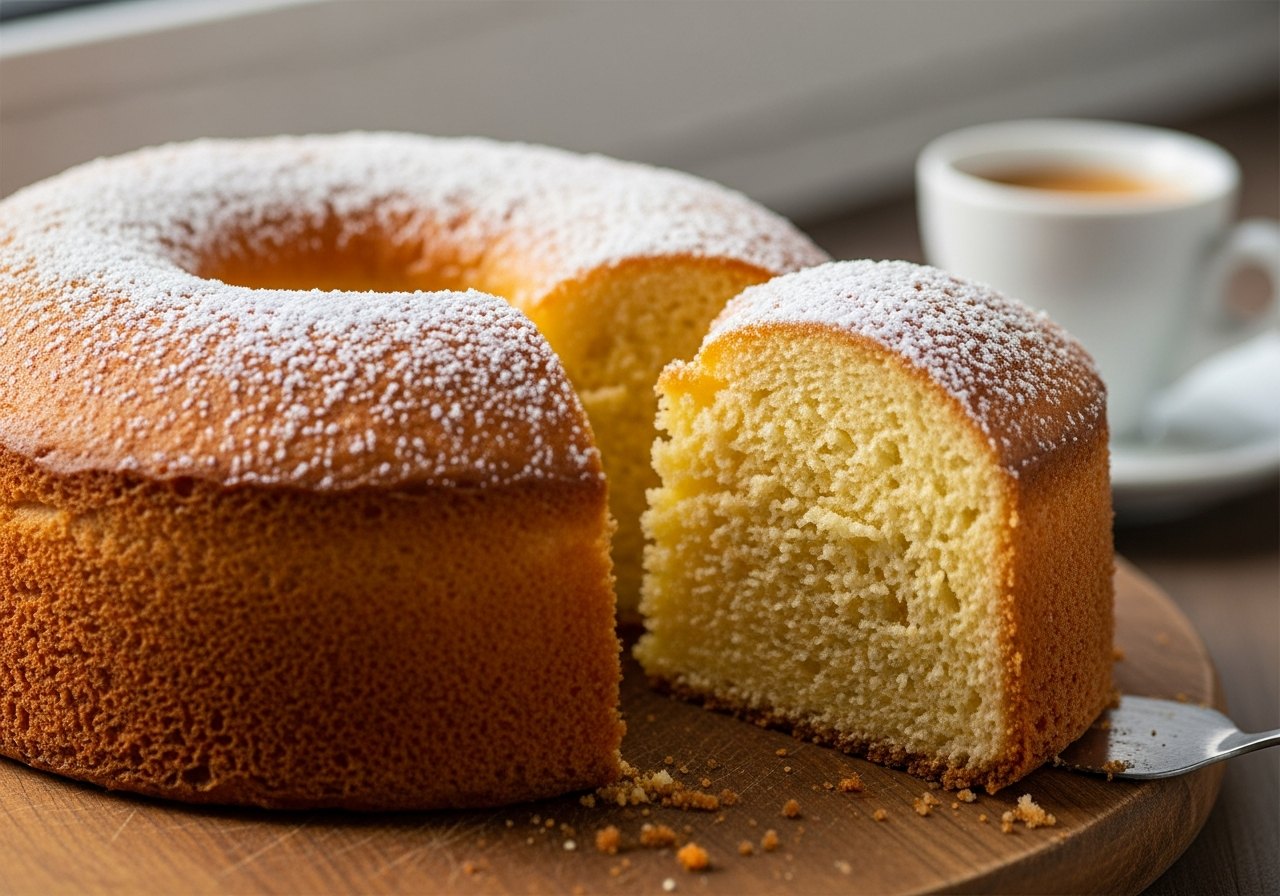
Greetings, amici! Today we delve into the heart of Italian simplicity with Torta Margherita, a cake that embodies effortless elegance. Named after Queen Margherita of Savoy, much like the famous pizza, this cake is celebrated for its delicate texture and subtle flavour, a true testament to the beauty of fewer, high-quality ingredients. It's a staple in Italian homes, often enjoyed with coffee or tea.
Unlike more elaborate sponges, Torta Margherita relies on the careful technique of beating eggs and sugar to an airy perfection, creating a crumb that is both soft and resilient. It's a foundational recipe that every Italian nonna knows by heart, proving that sometimes the simplest recipes yield the most profound joy. This cake is a blank canvas, perfect on its own or lightly adorned with fresh fruit.
The Art of the Perfect Sponge
The secret to a truly light Torta Margherita lies in the aeration of the eggs and sugar. This crucial step is not just about combining ingredients; it's about incorporating as much air as possible to create a stable foam. This foam will be the primary leavening agent for the cake, giving it its characteristic height and airy texture without relying heavily on baking powder.
To achieve this, use room temperature eggs, as they whip up more voluminously. Beat them with the sugar for a significant amount of time, often 10-15 minutes, until the mixture is pale, thick, and forms a "ribbon" when lifted. This ribbon should hold its shape for a few seconds before dissolving back into the mixture, indicating sufficient aeration.

Flour Power: The Role of Potato Starch
Torta Margherita traditionally uses a combination of plain flour and potato starch. The potato starch is key to its incredibly tender and fine crumb. Unlike wheat flour, potato starch contains no gluten, which prevents the cake from becoming tough or chewy, ensuring a melt-in-your-mouth texture that is truly unique to this particular sponge.
When folding in the dry ingredients, it's vital to do so gently to avoid deflating the carefully aerated egg mixture. Sift the flour and potato starch together to ensure they are evenly distributed and free of lumps. Then, fold them in using a large spatula, moving from the bottom up, until just combined. Overmixing will develop gluten and undo all your hard work.
Nonna's tip
For an even lighter crumb, consider sifting your flour and potato starch together not once, but twice before adding them to the egg mixture. This extra step helps to aerate the dry ingredients, preventing lumps and ensuring a beautifully uniform texture in your finished cake.