Small Bakes

Castagnole (Carnival Doughnut Bites)

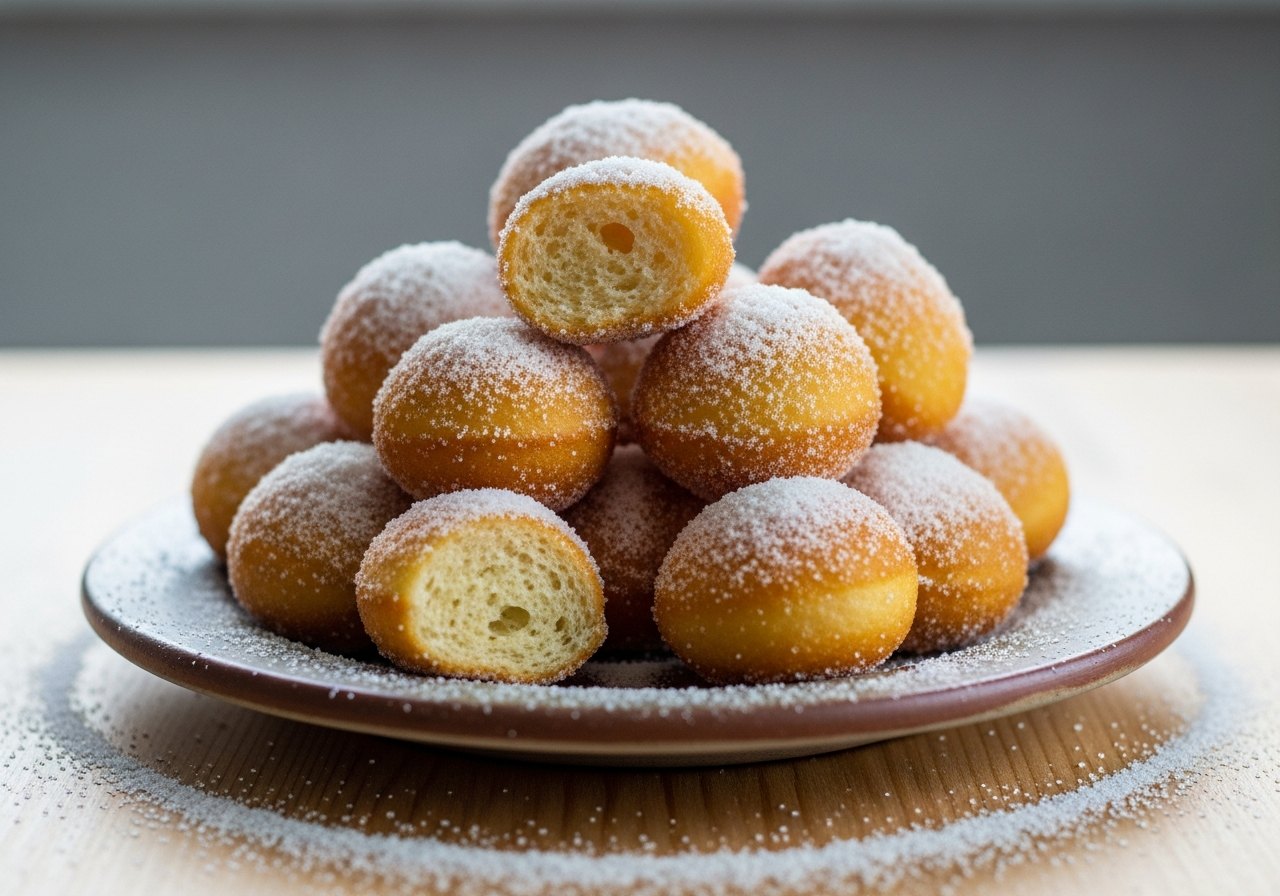
These delightful, golden Carnival doughnut bites are a sweet taste of Italian tradition, perfect for any celebration.

Castagnole (Carnival Doughnut Bites)
Castagnole (Carnival Doughnut Bites) — made and photographed at home.

Ah, Carnival! In Italy, it's a time of joyous celebration, colourful parades, and, of course, an abundance of delicious fried sweets. Among the most beloved are Castagnole, little golden nuggets that evoke cherished memories of family kitchens filled with laughter and the irresistible aroma of freshly fried dough.

These humble yet utterly captivating doughnut bites are a true testament to the simplicity and magic of Italian home cooking. With their light, slightly chewy interior and a delicate crispness from frying, dusted generously with sugar, they are a treat that truly captures the festive spirit of Carnevale.

Mastering the Fry

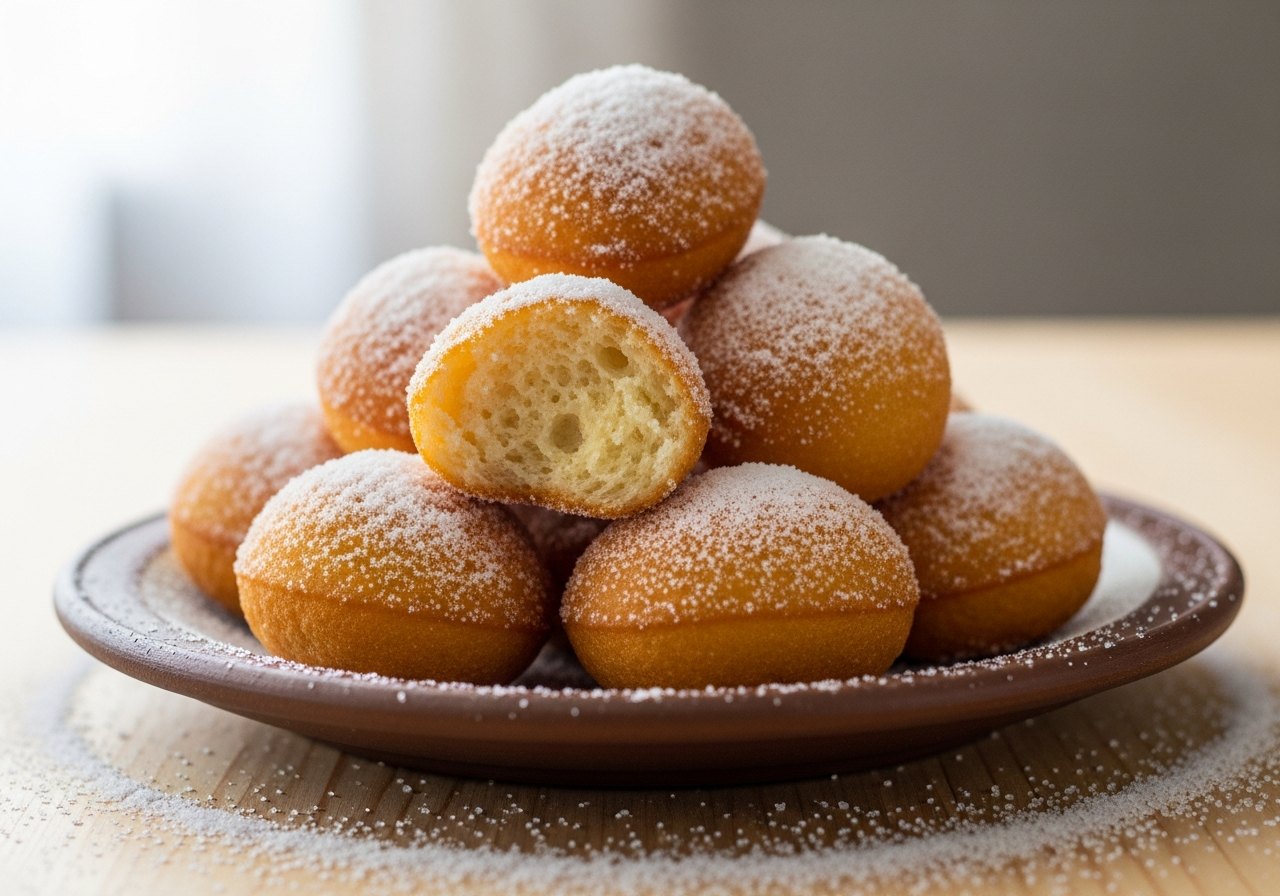
The secret to perfectly light and airy Castagnole lies in the frying technique. It's crucial to maintain a consistent oil temperature, ideally between 170-180°C (340-350°F). If the oil is too cold, the castagnole will absorb too much oil and become greasy; if it's too hot, they will brown too quickly on the outside while remaining raw in the centre.

Always fry your castagnole in small batches to avoid overcrowding the pan, which can lower the oil temperature. This allows each piece to cook evenly and achieve that beautiful golden hue. Once fried, swiftly transfer them to a plate lined with kitchen paper to drain any excess oil before coating them in sugar.
Mastering the Fry
Mastering the Fry

Flavouring with Zest and Spirit

Traditional Castagnole are often subtly perfumed with citrus zest and a touch of liqueur, which adds a wonderful depth of flavour. Fresh lemon and orange zest are paramount, infusing the dough with a bright, aromatic quality that complements the richness of the fried dough beautifully. Ensure you use only the coloured part of the zest, avoiding the bitter white pith.

A splash of rum or limoncello is a classic addition, contributing a delicate alcoholic note that evaporates during frying, leaving behind a nuanced flavour. If you prefer to omit alcohol, a little milk or orange juice can be used as a substitute to maintain the dough's consistency without compromising on the authentic taste experience.

Torta Magica Tip

For the best texture, ensure your butter is just melted and cooled slightly before adding it to the dough mixture. This prevents it from 'cooking' the eggs prematurely and helps create a smooth, pliable dough.

Also, don't overwork the dough; knead it just enough until it comes together and is smooth, as over-kneading can result in tough castagnole.
Nonna's tip

For the best texture, ensure your butter is just melted and cooled slightly before adding it to the dough mixture. This prevents it from 'cooking' the eggs prematurely and helps create a smooth, pliable dough. Also, don't overwork the dough; knead it just enough until it comes together and is smooth, as over-kneading can result in tough castagnole.

Recipe Card

Castagnole (Carnival Doughnut Bites)

Small, soft, and slightly chewy fried dough balls, typically flavoured with citrus zest and rum, then coated in sugar.

Prep
20 min
Cook
15 min
Chill
0 min
Total
35 min
Serves
6-8
Level
Easy
Ingredients
  • 250 g (2 cups) plain flour
  • 50 g (1/4 cup) caster sugar
  • 2 medium eggs
  • 50 g (1/4 cup) unsalted butter, melted and cooled
  • 1 tsp baking powder
  • Pinch of salt
  • Zest of 1 lemon
  • Zest of 1/2 orange (optional)
  • 2 tbsp rum or limoncello (optional, or milk/orange juice for alcohol-free)
  • Vegetable oil, for deep frying
  • 100 g (1/2 cup) granulated sugar, for dusting
Method
  1. In a large bowl, combine the plain flour, caster sugar, baking powder, and a pinch of salt.

  2. Add the eggs, cooled melted butter, lemon zest, orange zest (if using), and rum or limoncello (if using) to the dry ingredients.

  3. Mix everything with a fork until a shaggy dough forms, then turn it out onto a lightly floured surface and knead gently for a few minutes until smooth and pliable.

  4. Divide the dough into several smaller portions and roll each portion into a long rope, about 1.5 cm (1/2 inch) in diameter.

  5. Using a knife, cut the ropes into small, gnocchi-sized pieces, about 1.5 cm (1/2 inch) long.

  6. Heat about 5-7 cm (2-3 inches) of vegetable oil in a deep, heavy-bottomed pan or Dutch oven to 170-180°C (340-350°F).

  7. Carefully drop the castagnole into the hot oil in small batches, frying them for 3-5 minutes, turning occasionally, until they are golden brown all over.

  8. Remove the fried castagnole with a slotted spoon and place them on a plate lined with kitchen paper to drain excess oil.

  9. While still warm, roll the castagnole generously in granulated sugar until fully coated, then serve immediately.

Nutrition (per serving)
350
Calories
20 g
Fat
35 g
Carbs
5 g
Protein
22 g
Sugar
Notes
  • Castagnole are best enjoyed warm, fresh from frying and still coated in sparkling sugar.
  • Store any leftovers in an airtight container at room temperature for up to 2 days, though they lose some crispness over time.
Good to know

Frequently asked

Why are my castagnole dense or heavy?

This usually happens if the dough was overworked, if there wasn't enough baking powder, or if the frying oil was too cold, causing the dough to absorb too much oil.

Can I make Castagnole without alcohol?

Absolutely! Simply substitute the rum or limoncello with an equal amount of milk, water, or fresh orange juice. The flavour will still be wonderful, especially with the citrus zest.

How do I know if my oil is at the right temperature for frying?

The most accurate way is to use a kitchen thermometer. Alternatively, drop a tiny piece of dough into the oil; it should sizzle immediately and float to the surface within a few seconds, turning golden.