Small Bakes

Cornetti (Italian Croissants)

Flaky, buttery, and delicately sweet, these Italian cornetti bring the taste of a Roman breakfast to your home.

Cornetti (Italian Croissants)
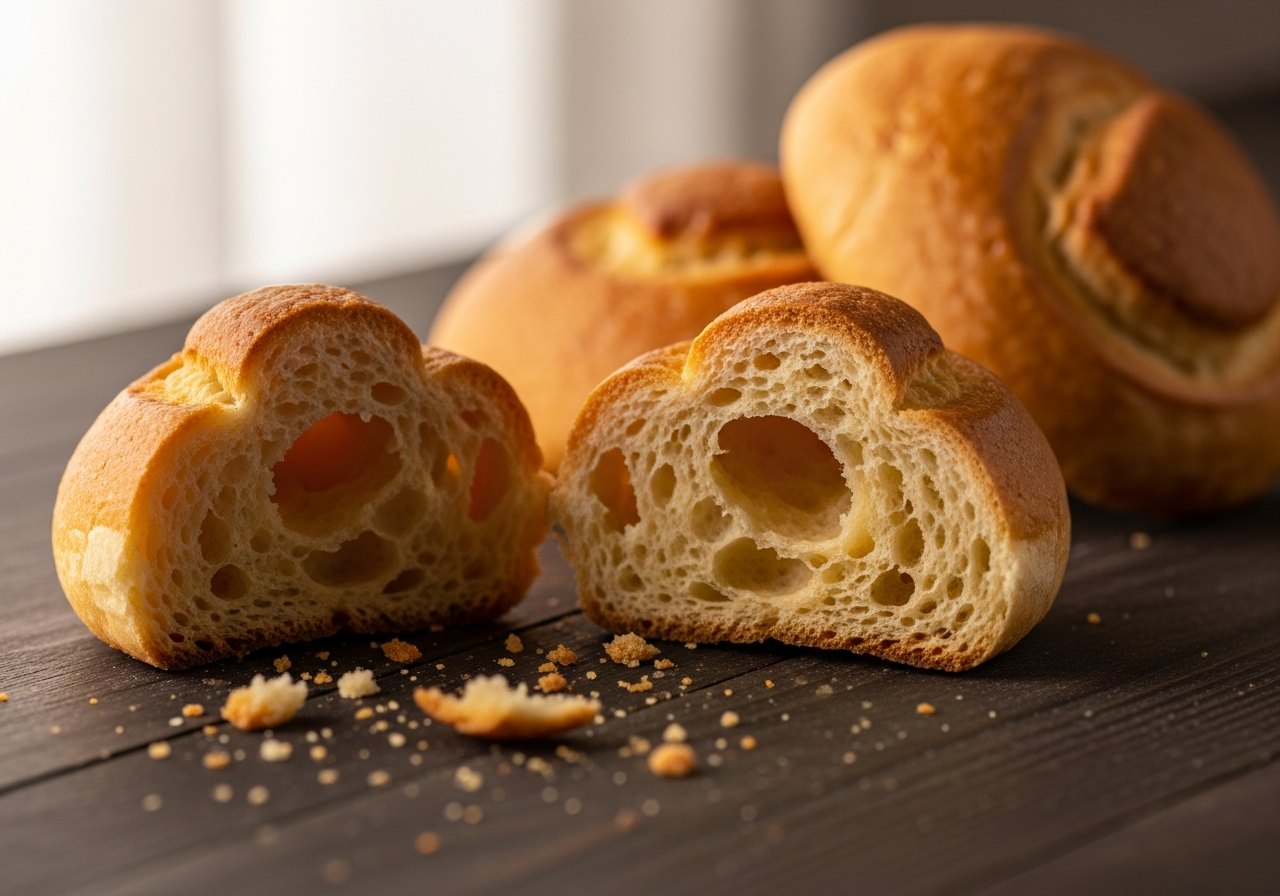
Cornetti (Italian Croissants) — made and photographed at home.

Ah, the cornetto! For many Italians, the smell of freshly baked cornetti is the very essence of a perfect morning, a sweet invitation to start the day. Unlike their French cousins, the croissant, Italian cornetti are often made with a touch of egg and a little more sugar, giving them a slightly softer, richer crumb and a hint of vanilla or citrus. They are less intensely buttery and more about a delicate sweetness, often enjoyed plain or filled with crema pasticcera or marmellata.

Growing up in Rome, a cornetto and a cappuccino was the ritual. It's not just a pastry; it's a moment of pure bliss, a taste of tradition passed down through generations. While making cornetti might seem daunting with its laminating process, I promise you, the effort is truly worth it. Imagine biting into that crisp, golden exterior, revealing layers of tender, aromatic dough – a little piece of Italian magic right in your kitchen.

The Art of Lamination for Flaky Perfection

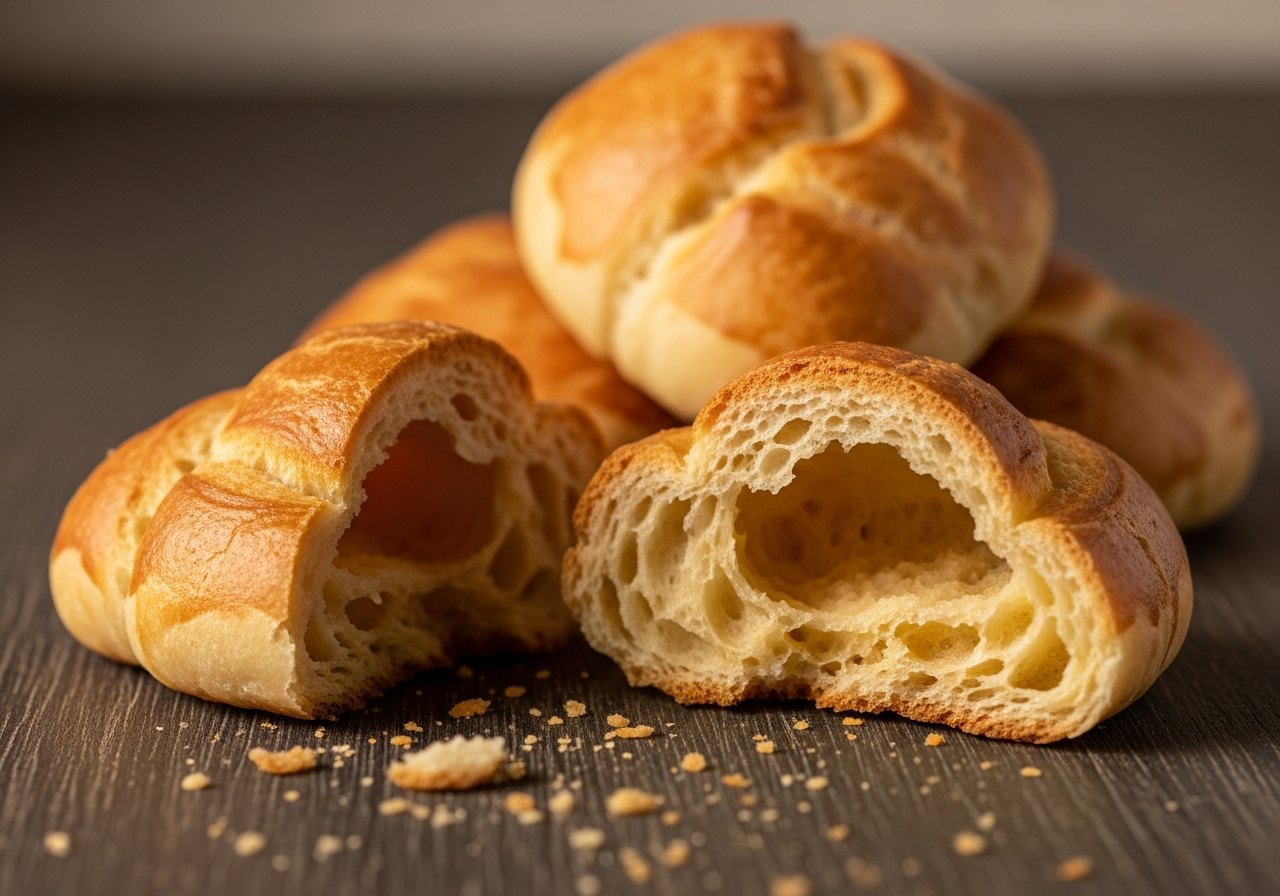
Lamination is the heart of any great cornetto, the process of creating countless thin layers of butter and dough that give these pastries their characteristic flakiness. It's a delicate dance of rolling, folding, and chilling, ensuring the butter remains distinct from the dough rather than mixing in. The key is to keep everything cold – a warm kitchen is the enemy of lamination, causing the butter to melt and integrate into the dough too soon, resulting in a bread-like texture rather than the desired airy layers.

Don't rush the chilling stages; they are as crucial as the rolling itself. Each chill allows the butter to firm up again, making it easier to work with and preventing it from squeezing out during subsequent folds. Patience and a light touch are your best friends here. Embrace the process, and you'll be rewarded with a pastry that shatters delicately with each bite, a testament to your newfound lamination skills.
The Art of Lamination for Flaky Perfection

Cornetto vs. Croissant: A Sweet Distinction

While visually similar, the Italian cornetto possesses a distinct character from the French croissant. The cornetto typically incorporates a higher sugar content, often some egg, and sometimes even a touch of honey or citrus zest into the dough, yielding a richer, slightly sweeter flavour profile. This results in a softer, more brioche-like interior, rather than the more open, airy structure of a traditional French croissant, which relies almost entirely on butter and flour for its flavour.

The texture is also a key differentiator; cornetti tend to be less crisp and more tender throughout. They are designed to be enjoyed as a sweet treat with coffee, often plain or with a simple filling. Embracing these subtle differences is key to appreciating the true essence of an Italian cornetto – it's not just a copy, but a beloved pastry in its own right, deeply embedded in Italian breakfast culture.

Nonna's tip

Always use good quality, high-fat butter for lamination; it makes a significant difference to the flakiness and flavour. Ensure your butter block is pliable but still cold before encasing it in the dough.

Recipe Card

Cornetti (Italian Croissants)

These authentic Italian cornetti are light, buttery, and subtly sweet, featuring delicate layers of dough perfect for an indulgent breakfast or coffee break.

Prep
45 min
Cook
18-20 min
Chill
12-14 hours
Total
13-15 hours
Serves
12
Level
Advanced
Ingredients
  • 500g (4 cups) strong white bread flour
  • 100g (1/2 cup) caster sugar
  • 10g (2 tsp) active dry yeast
  • 10g (1.5 tsp) fine sea salt
  • 1 large egg
  • 120ml (1/2 cup) whole milk, lukewarm
  • 120ml (1/2 cup) water, lukewarm
  • 1 tsp vanilla extract
  • 250g (1 cup + 2 tbsp) unsalted butter, for lamination (cold, 82% fat content recommended)
  • 1 egg yolk, mixed with 1 tbsp milk, for egg wash
Method
  1. In a large bowl, combine the flour, sugar, yeast, and salt.

  2. Add the egg, lukewarm milk, lukewarm water, and vanilla extract; mix until a shaggy dough forms, then turn onto a lightly floured surface and knead for 10-12 minutes until smooth and elastic.

  3. Shape the dough into a ball, place in a lightly oiled bowl, cover, and chill in the refrigerator for at least 2 hours, or preferably overnight.

  4. On a lightly floured surface, roll the chilled dough into a rectangle approximately 40x20cm.

  5. Prepare the butter block by flattening the cold butter between two sheets of baking paper into a 20x20cm square; place the butter in the centre of the dough rectangle, fold the dough over to enclose it, and seal the edges.

  6. Perform three single folds (turn the dough 90 degrees, roll to 40x20cm, fold one-third over, then the remaining third over that) with 30-minute chilling periods in between each fold.

  7. After the final fold and chill, roll the dough into a large rectangle, about 3-4mm thick; cut into triangles, roll each from the wide base to the tip, shaping into a crescent.

  8. Place the shaped cornetti on baking trays lined with parchment paper, cover loosely, and proof in a warm place for 1.5-2 hours until visibly puffed.

  9. Preheat your oven to 190°C (170°C fan/Gas Mark 5); brush the proofed cornetti with the egg wash and bake for 18-20 minutes until golden brown and flaky.

Nutrition (per serving)
300
Calories
18 g
Fat
30 g
Carbs
6 g
Protein
10 g
Sugar
Notes
  • Store leftover cornetti in an airtight container at room temperature for up to 2 days, or freeze unbaked cornetti to bake fresh later.
  • Serve warm, ideally plain or with a light dusting of icing sugar, or split and fill with jam or pastry cream.
Good to know

Frequently asked

Why are my cornetti not flaky?

This usually indicates the butter melted into the dough during the lamination process. Ensure your butter and dough are always cold, and work quickly, especially in a warm kitchen.

My cornetti didn't rise much, what went wrong?

Insufficient proofing time or inactive yeast are common culprits. Ensure your yeast is fresh and active, and allow enough time for the cornetti to double in size in a warm, draught-free environment.

Can I prepare the dough in advance?

Yes, you can prepare the dough up to the final fold and chill it overnight. Or, you can shape the cornetti and freeze them unbaked, then thaw and proof before baking.