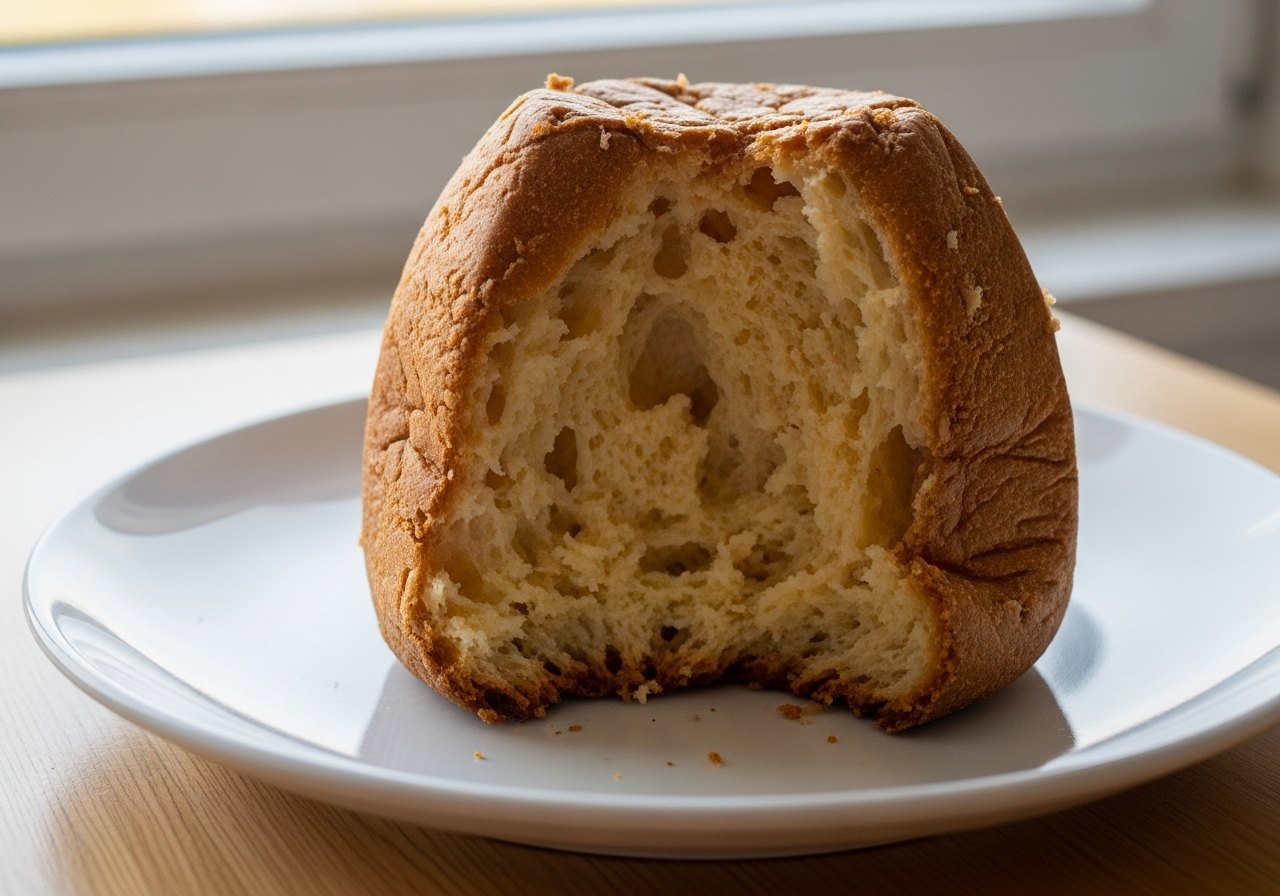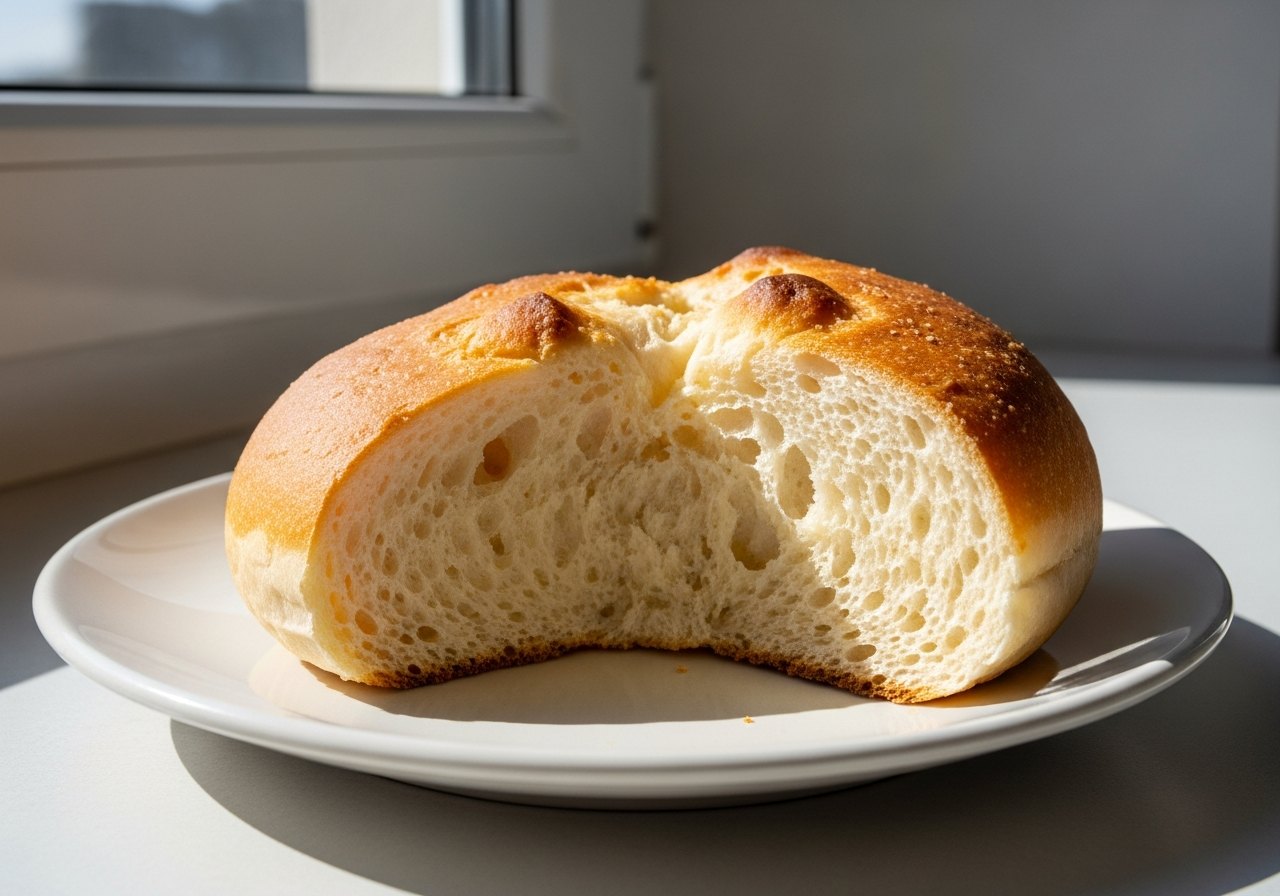
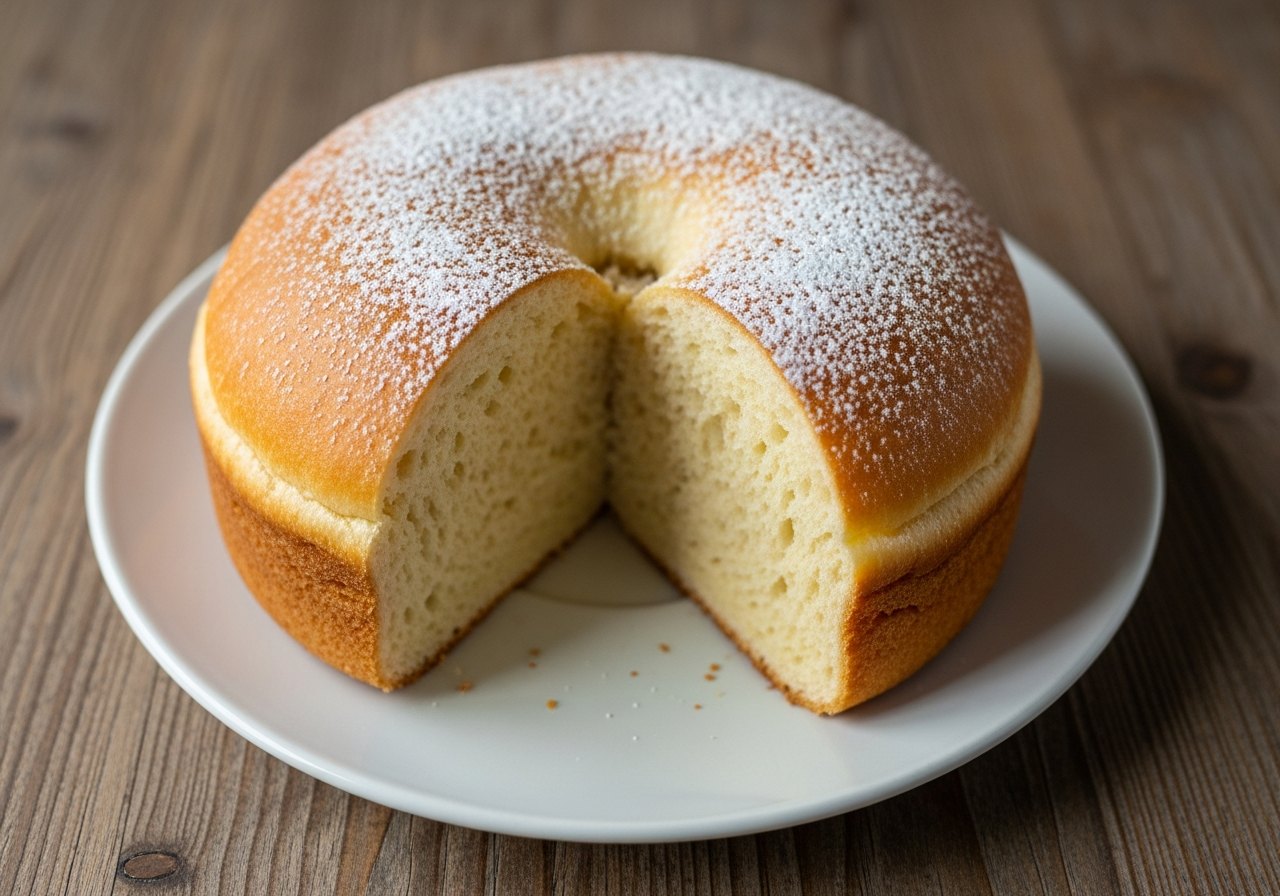
Welcome, fellow bakers, to the heart of Italian patisserie! Pan di Spagna, or Italian Sponge Cake, is not just a cake; it's the very soul of many beloved Italian desserts. From tiramisu to elaborate layered tortes, its delicate, airy crumb provides the perfect canvas for rich creams, fruit, and liqueurs. Despite its humble ingredients, crafting a truly exceptional Pan di Spagna is an art that rewards precision and a gentle touch.
Unlike denser butter-based sponges, Pan di Spagna achieves its incredible lightness purely through the aeration of eggs, making it naturally low in fat and incredibly absorbent. This unique quality allows it to soak up flavourful syrups without becoming soggy, transforming into a melt-in-your-mouth experience. This recipe will guide you through the traditional method, ensuring you create a sponge that is both authentic and exquisitely tender.
The Magic of Eggs and Air
The cornerstone of a perfect Pan di Spagna lies in the meticulous whisking of eggs and sugar. Unlike many recipes that separate egg whites and yolks, the traditional Italian method involves whisking whole eggs with sugar over a gentle bain-marie. This warming step helps the sugar dissolve fully and significantly increases the eggs' capacity to hold air, resulting in a remarkably stable and voluminous foam.
The subsequent whisking off the heat is equally crucial, as it cools the mixture while continuing to incorporate air, developing a thick, pale, and ribbon-like consistency. This substantial aeration is what provides the cake's entire lift, making the careful folding of flour paramount to avoid deflating the precious air bubbles. A light hand here is the secret to an ethereal, tall sponge.
Choosing Your Flour Wisely
For an authentic Pan di Spagna, the choice of flour is simple yet critical: plain, all-purpose flour. Unlike British sponges that often rely on self-raising flour or baking powder, Pan di Spagna gains all its rise from the air whipped into the eggs. Using self-raising flour would introduce chemical leavening that can alter the delicate texture and dry out the cake.
When folding the plain flour into the aerated egg mixture, it's essential to do so gently and in batches, ensuring it is well sifted to prevent lumps. The goal is to incorporate the flour just until combined, without overworking the batter, which can develop the gluten too much and lead to a tough sponge. This gentle approach preserves the light, open crumb that defines this classic Italian cake.
Serving Pan di Spagna
Pan di Spagna is rarely eaten plain; its true purpose shines as the foundation for other glorious desserts. Its light, absorbent nature makes it ideal for soaking with a variety of syrups, from simple sugar syrup infused with lemon or vanilla to more complex alcoholic options like rum or Marsala. This soaking adds moisture and a burst of flavour, preparing the sponge for its next layer of indulgence.
Once soaked, it's typically layered with rich fillings such as diplomat cream, chantilly cream, fresh fruit, or chocolate ganache. Classic preparations include Zuppa Inglese, where it's soaked in Alchermes liqueur and layered with custard, or as the base for Strawberry and Cream Cake (Torta di Fragole). Its versatility ensures it can be adapted to countless flavour combinations, making it a staple in any Italian baker's repertoire.
Nonna's tip
Ensure your eggs are at room temperature for maximum volume when whisking. This allows them to incorporate more air, resulting in a lighter sponge.